Solar city
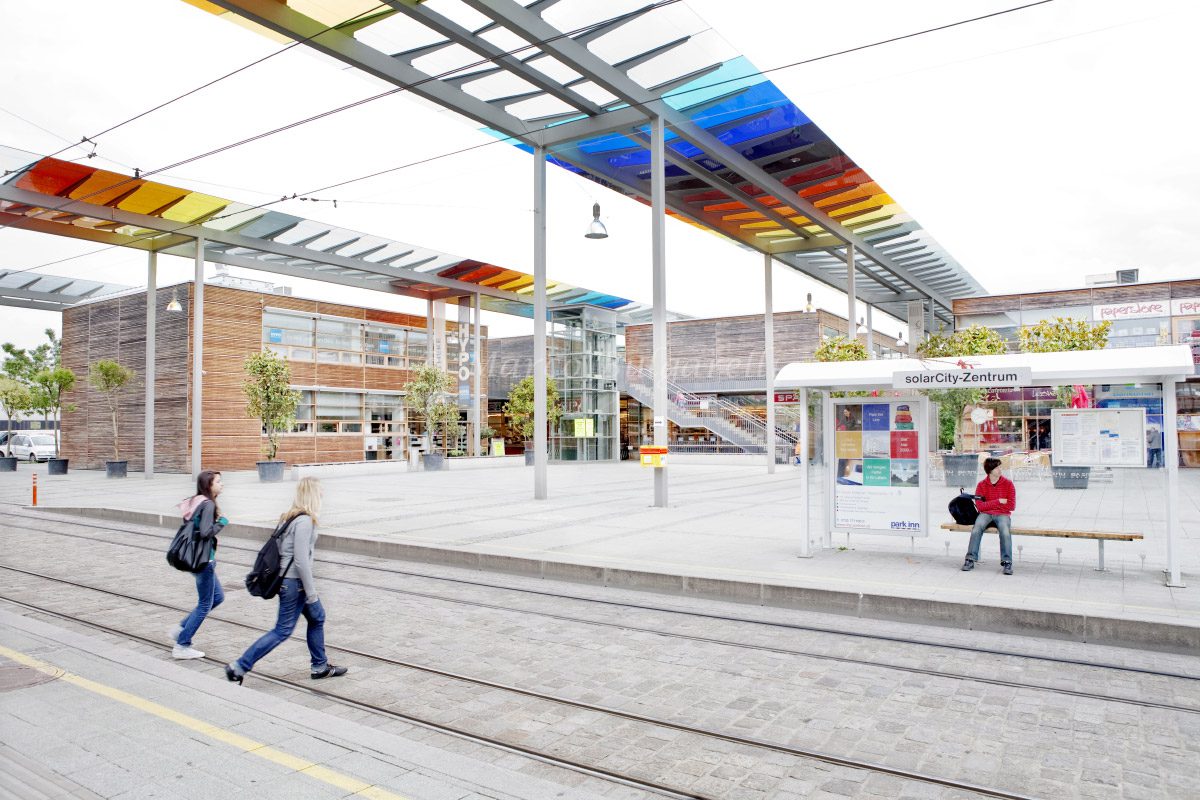
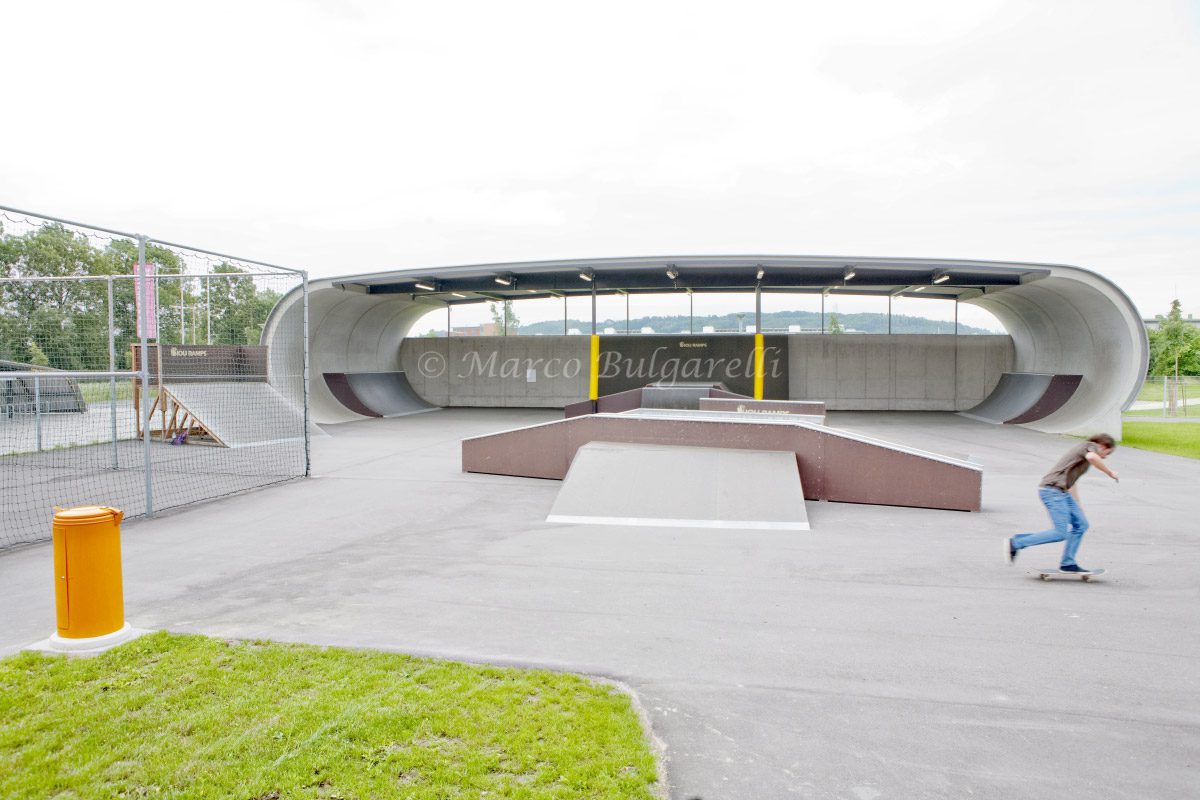
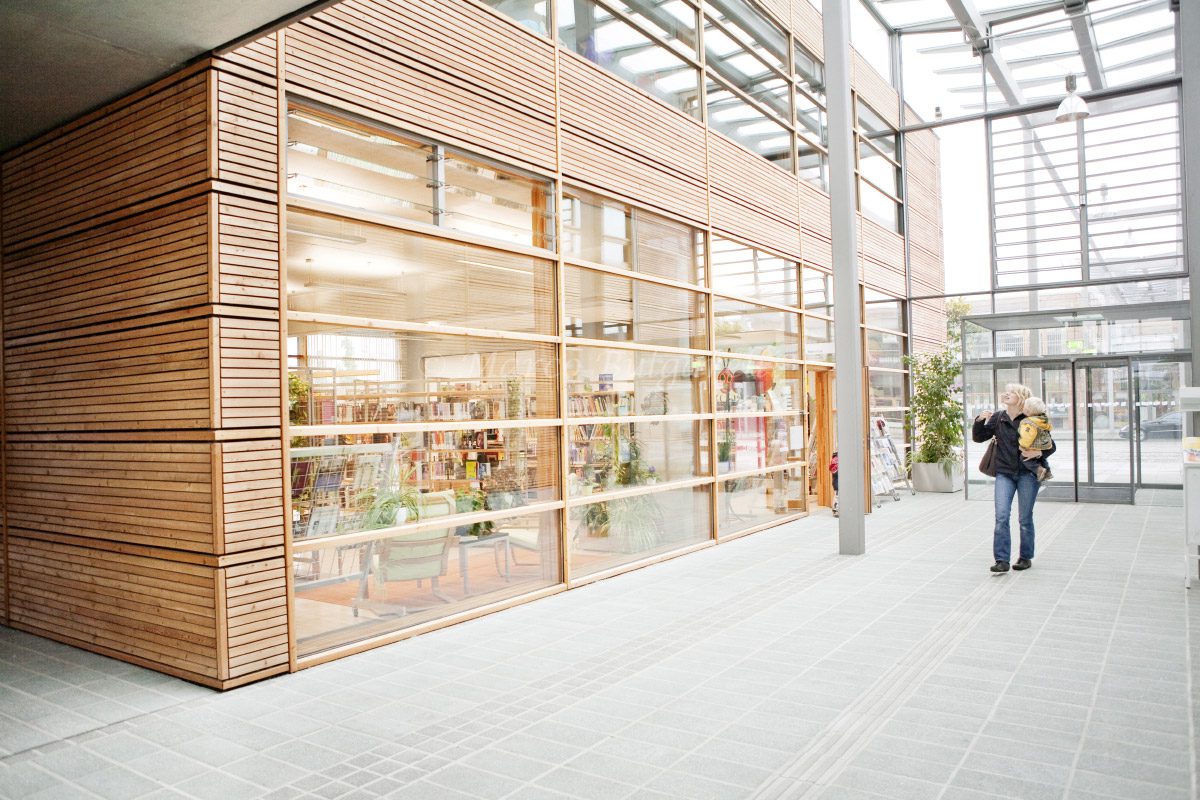
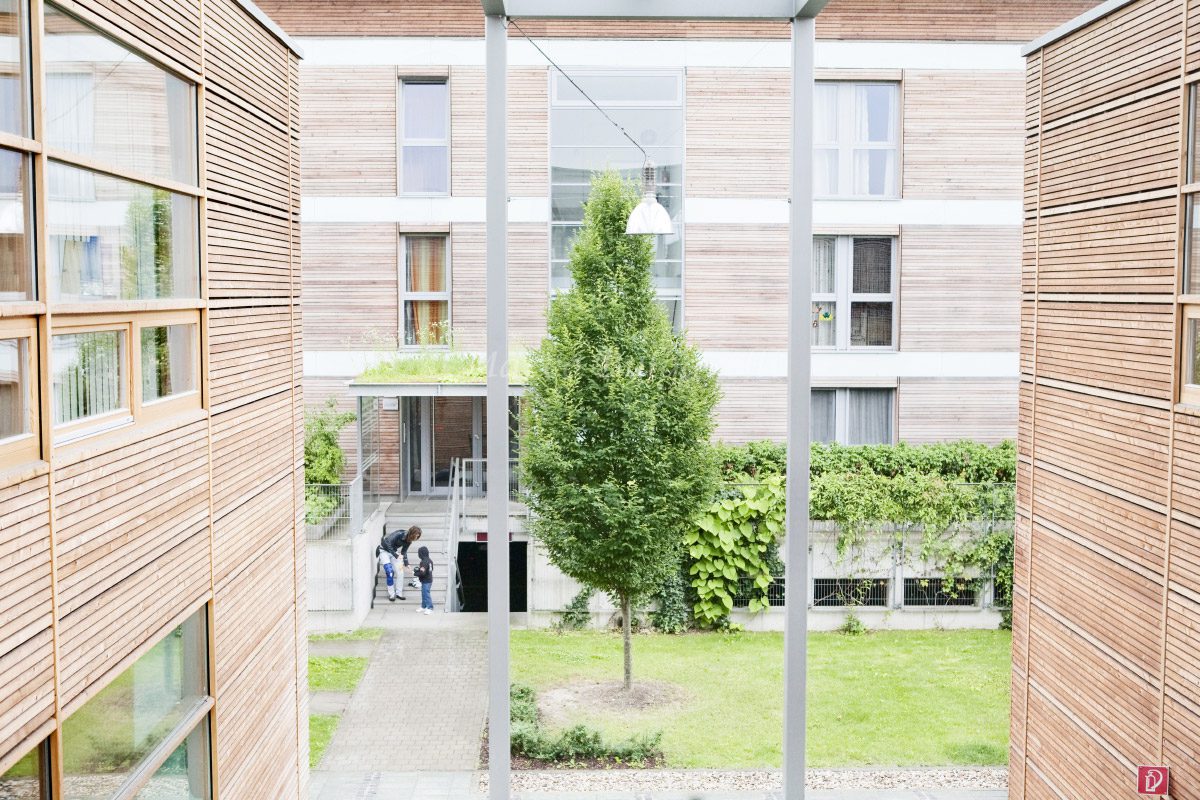
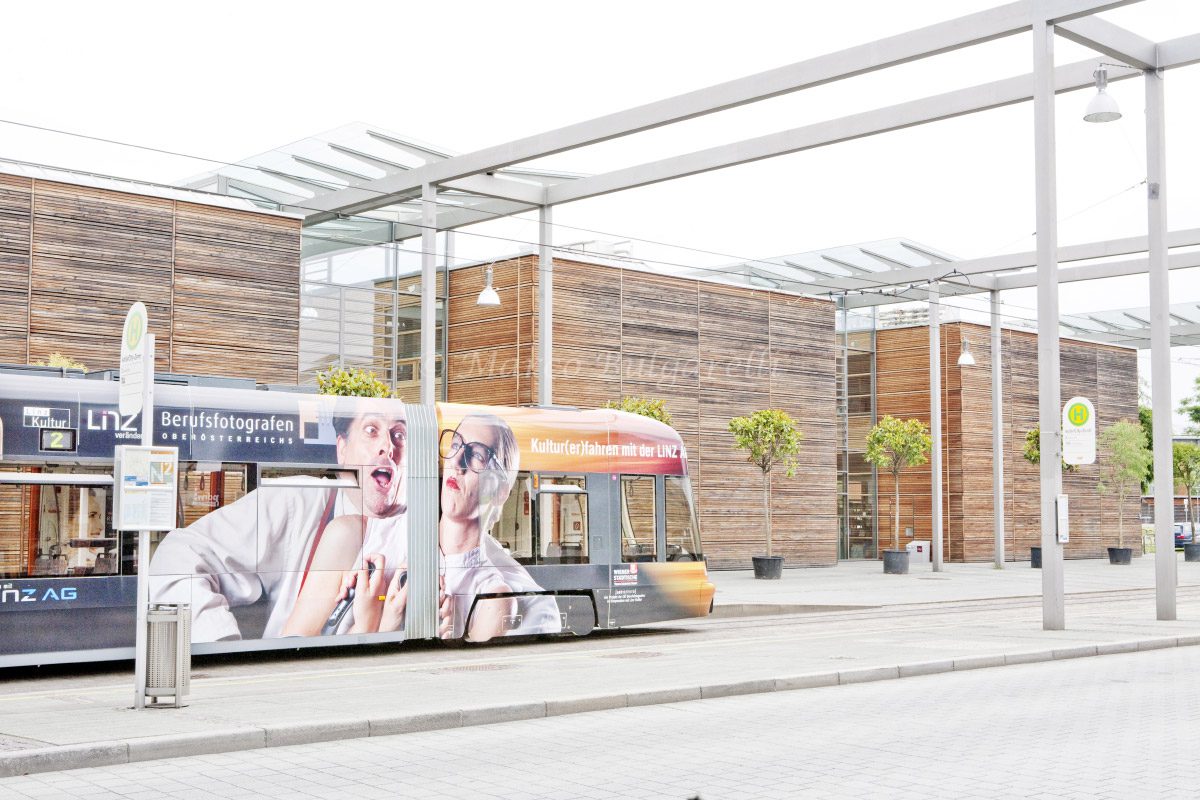
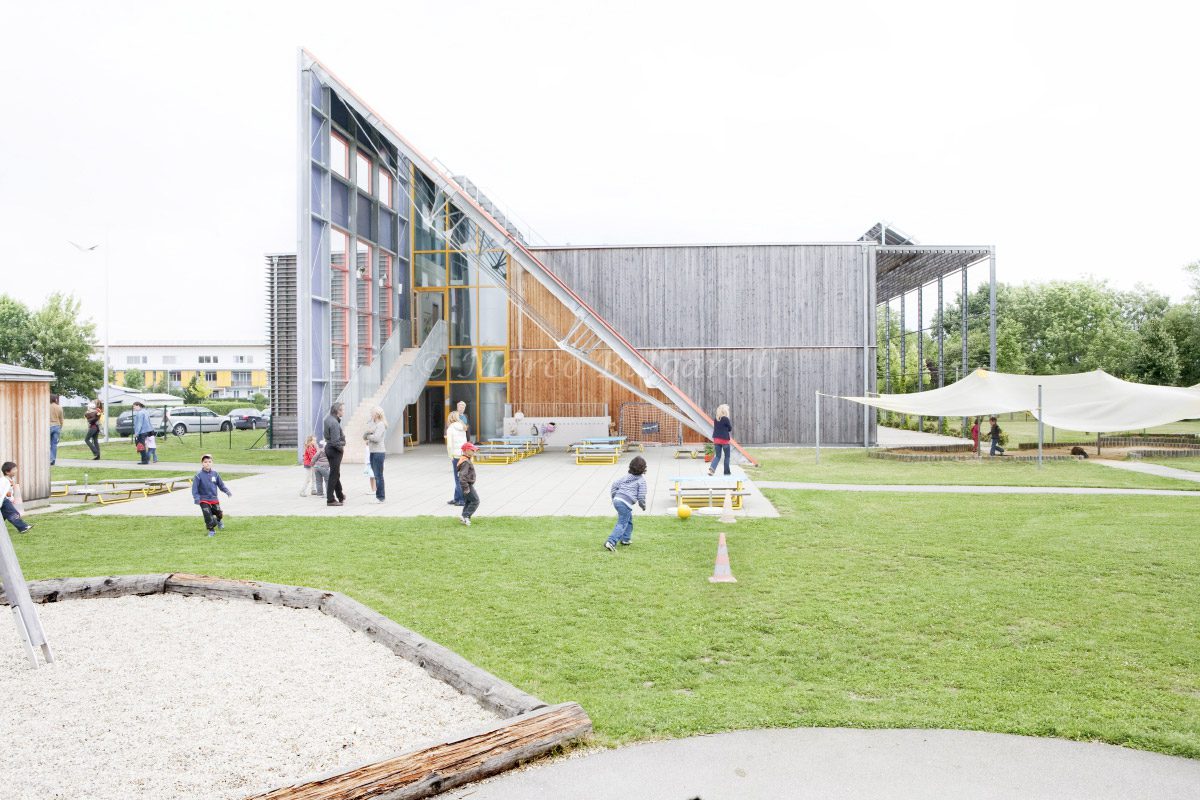
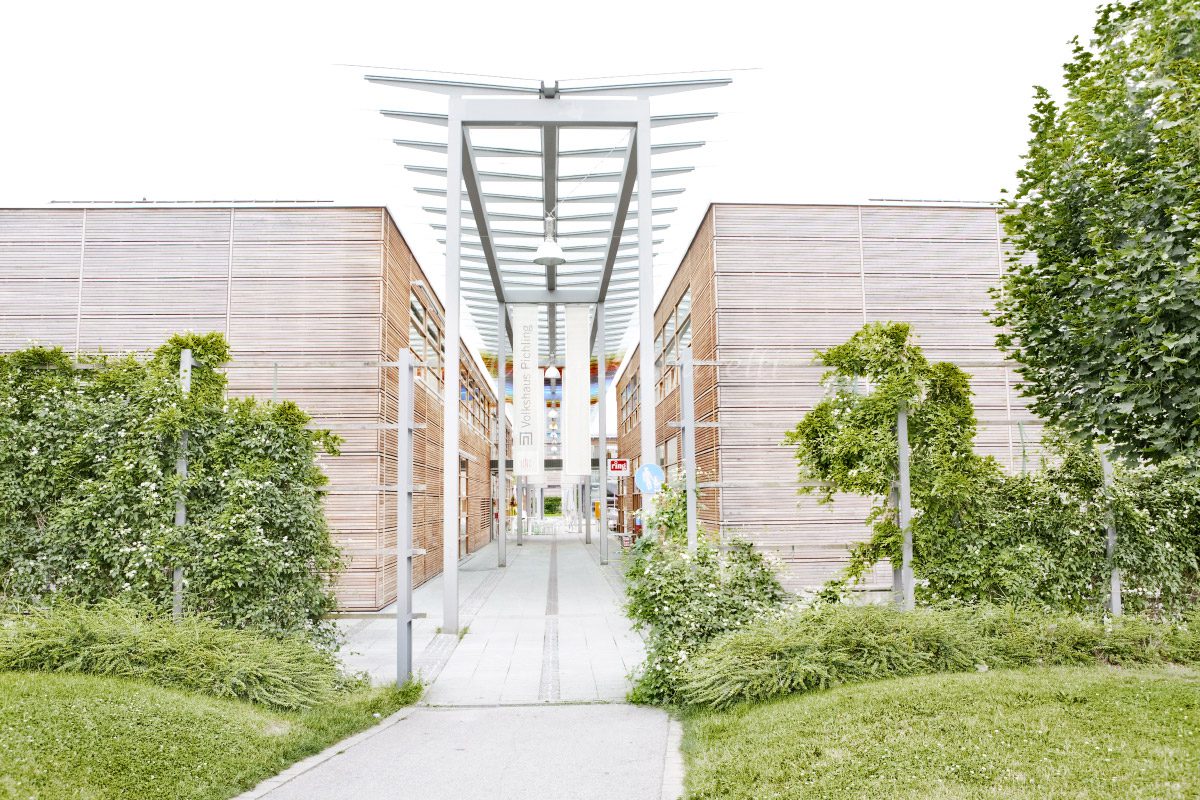
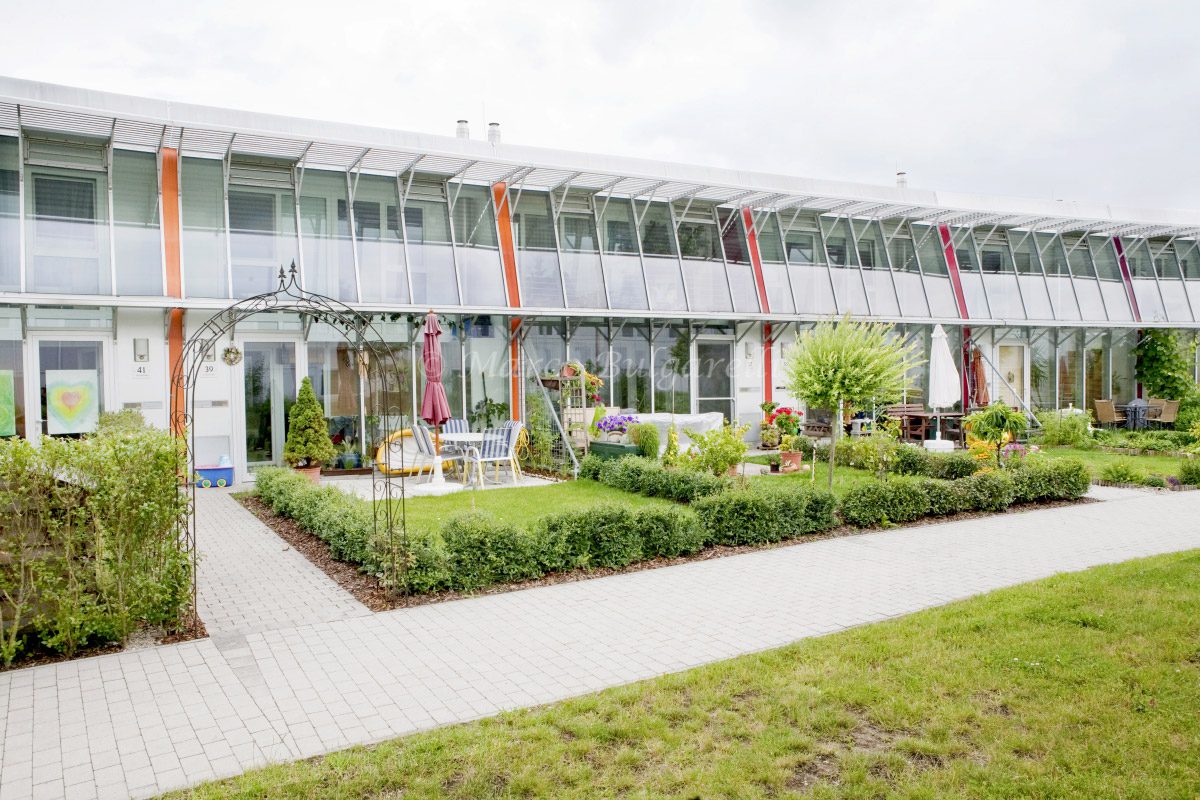
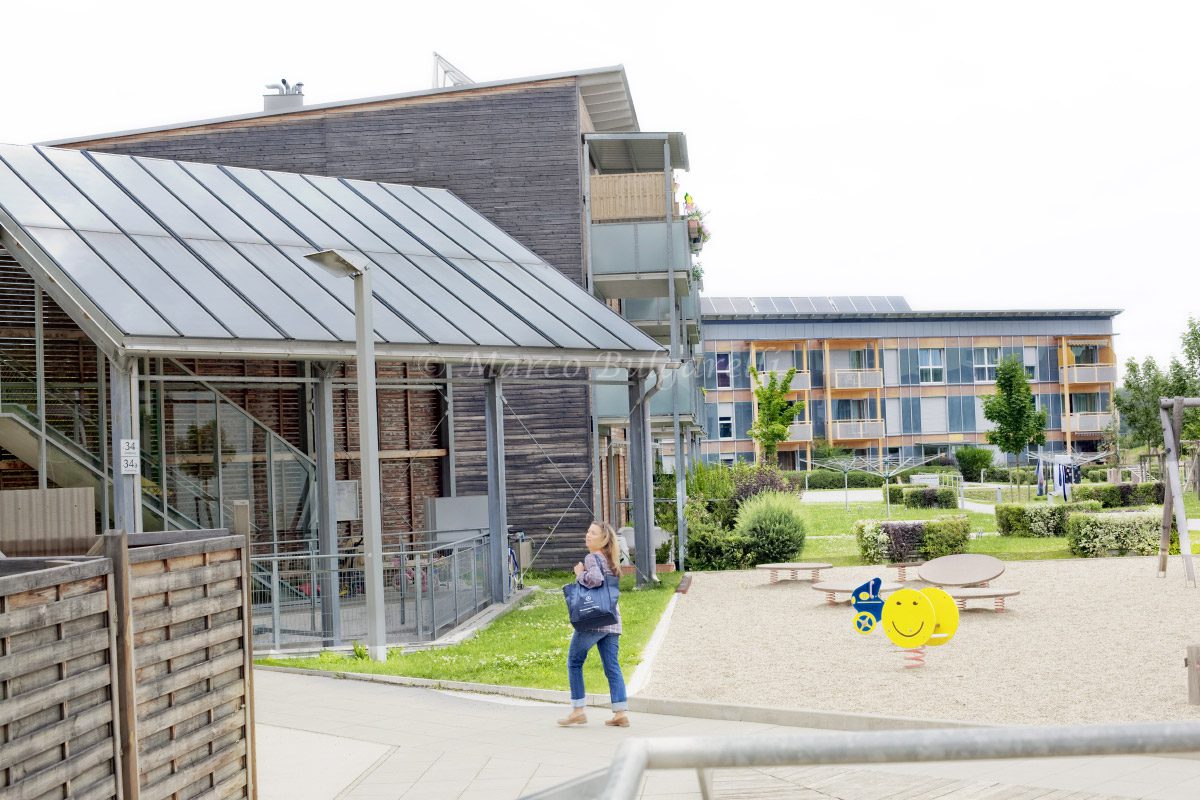
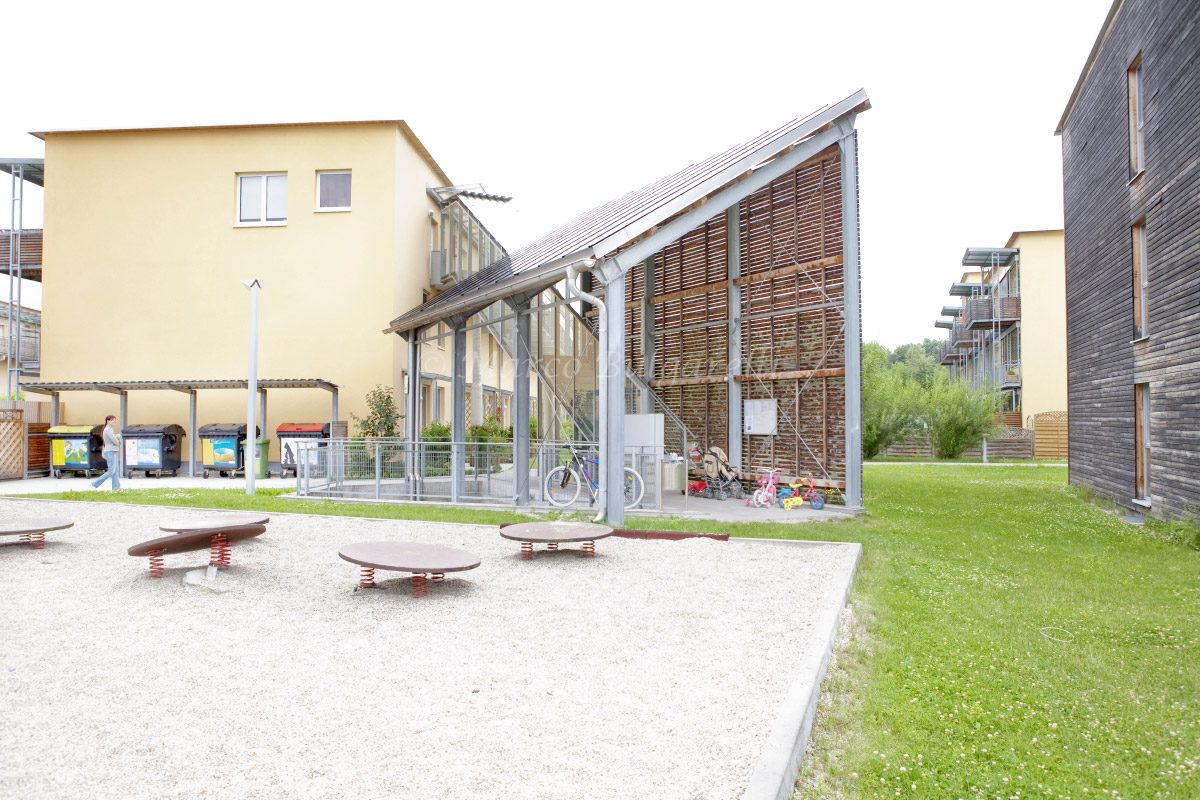
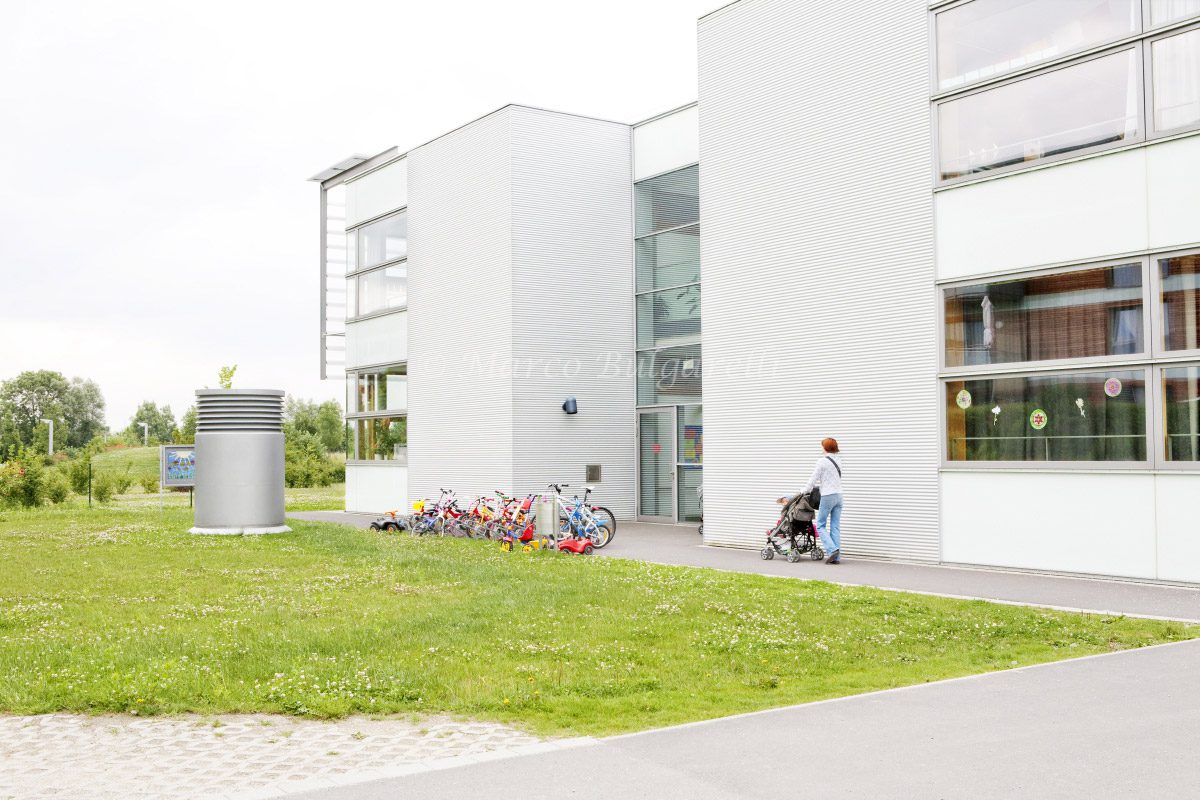
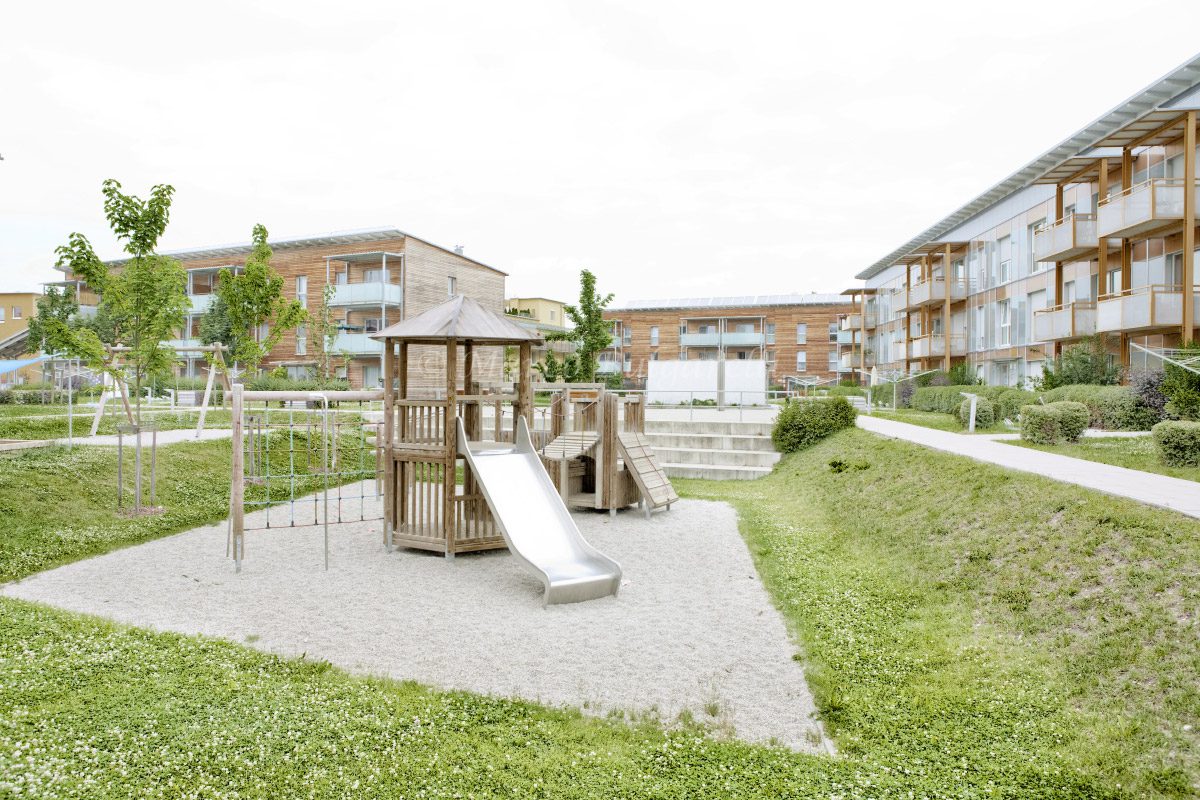
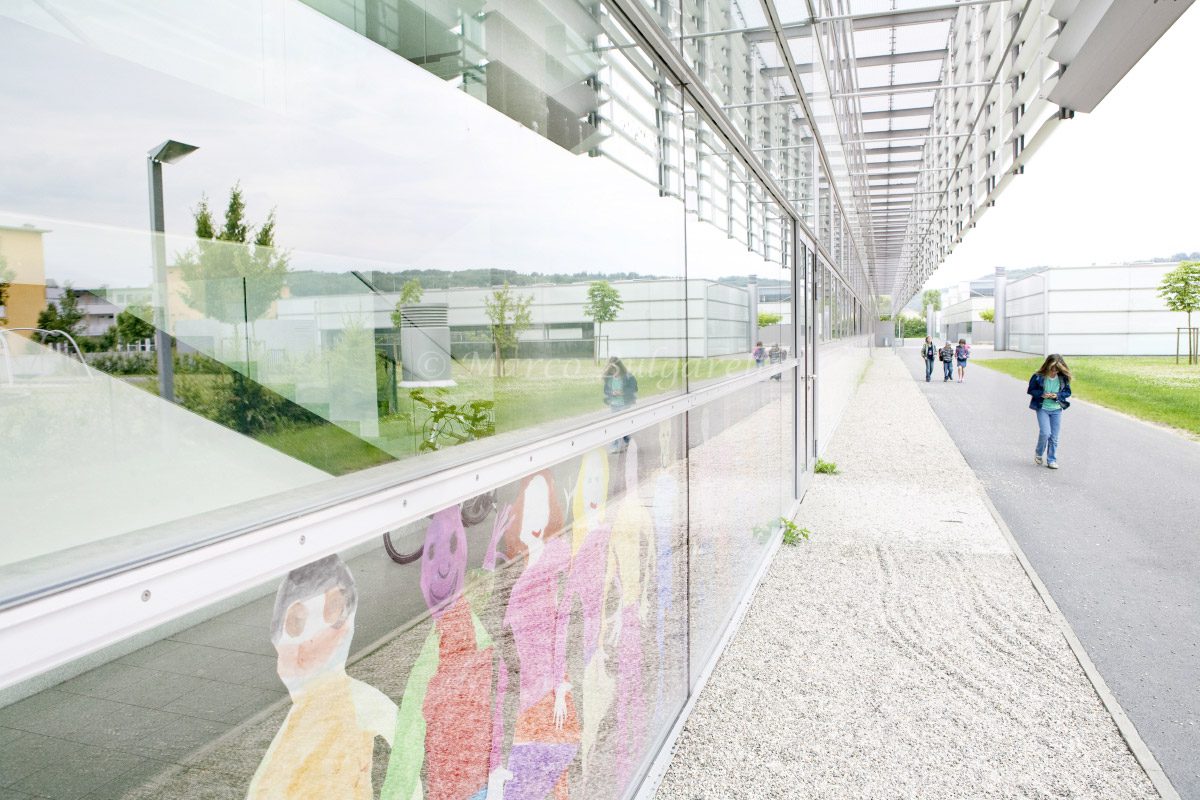
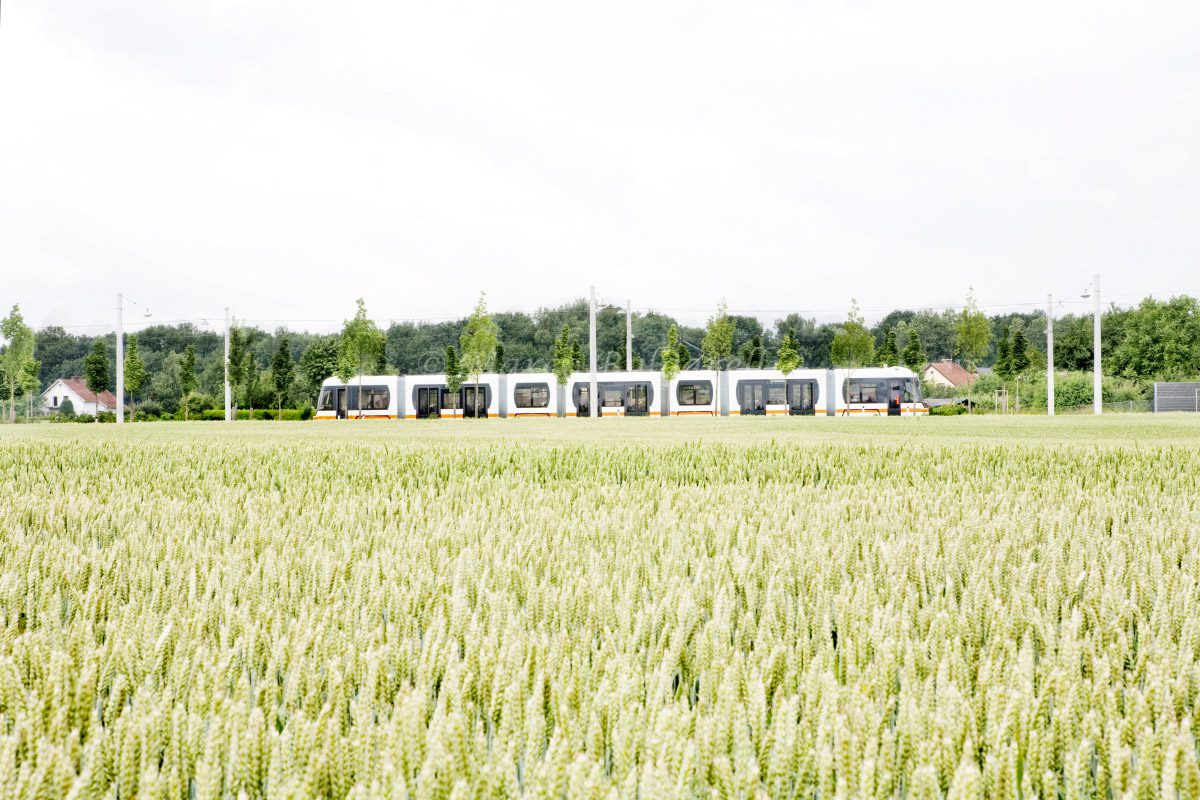
Solar City in Linz-Pichling, Austria, is an exemplary model of future oriented urban development: an entire urban district constructed as low-energy housing at reasonable cost in accordance with ecological criteria and human needs. The idea, that fossil fuels contribute to global warming, and therefore their use should be avoided, was a fundamental concept in the planning. Urban planner, Prof. Roland Rainer, world-class architects like Norman Foster, Richard Rogers and Thomas Herzog, (these architects formed a working party under the name of the READ group -Renewable Energies in Architecture and Design- whose aim is to promote the breakthrough of low-energy construction methods at international level) together with the famous energy technology planner Norbert Kaiser contribute to realize the project. The planning for the project began in 1992 and the construction in 1999, the 1,300 apartments were gradually built within 6 years. Today about 3,200 people live In this energy-saving district. The total cost of the project amounted to 190 million euros, nearly two-thirds of which is for the residential buildings, and only a third of the total as the cost of the infrastructure. In line with the goal of achieving environmentally friendly urban development drainage and sanitation was included in the overall planning concept: The wastewater is disposed and incurred in the separation system. While Gray water is locally managed through a sand bed filter planted and then led to a creek in the neighbourhood, The black water is fed conventionally on gravity sewer of sewage treatment plant to the city Asten. The urine is separated across special toilets and collected by their own sewers. The nutrient-rich fluid is then issued in the fields of agriculture. Rainwater is brought where possible to seep away. Larger quantities of rain will have their own channels or be fed to the raceway in north of the SolarCity. In addition to the use of regenerative (solar) energy, the introduction of a closed loop system, which protects the environment to the greatest possible extent, increases the ecological value of the overall energy concept implemented in Solar City. Solar City is an urban model for sustainable future, at all levels and in all aspects it represents the latest state of development in the ecological approach of urbanisation. International awards
1998 As part of a competition organised by the United Nations in 1998 on the improvement of the human habitat, the solarCity project was chosen for the "Best practice" award.
1999 In 1999, the project was nominated for the Environmental Award 2001 by the Earth Society Foundation, an NGO based in New York.
2000 In 1999, the Federal Ministry for Transport, Innovation and Technology organised a two stage competition entitled "House of the Future", focusing on "sustainable development". The EBS District planned by architect Treberspurg with 100 homes was selected as one of the 5 best concepts amongst 92 entries in the "Innovatory Building Concepts" category, and is being given public support.
2001 In the course of the 2nd international conference "business and municipality - new partnerships for the 21st century (4. - 7. april, 2001) at the international bremen partnership award the solarCity project has been chosen as one of the five best projects worldwide.
|