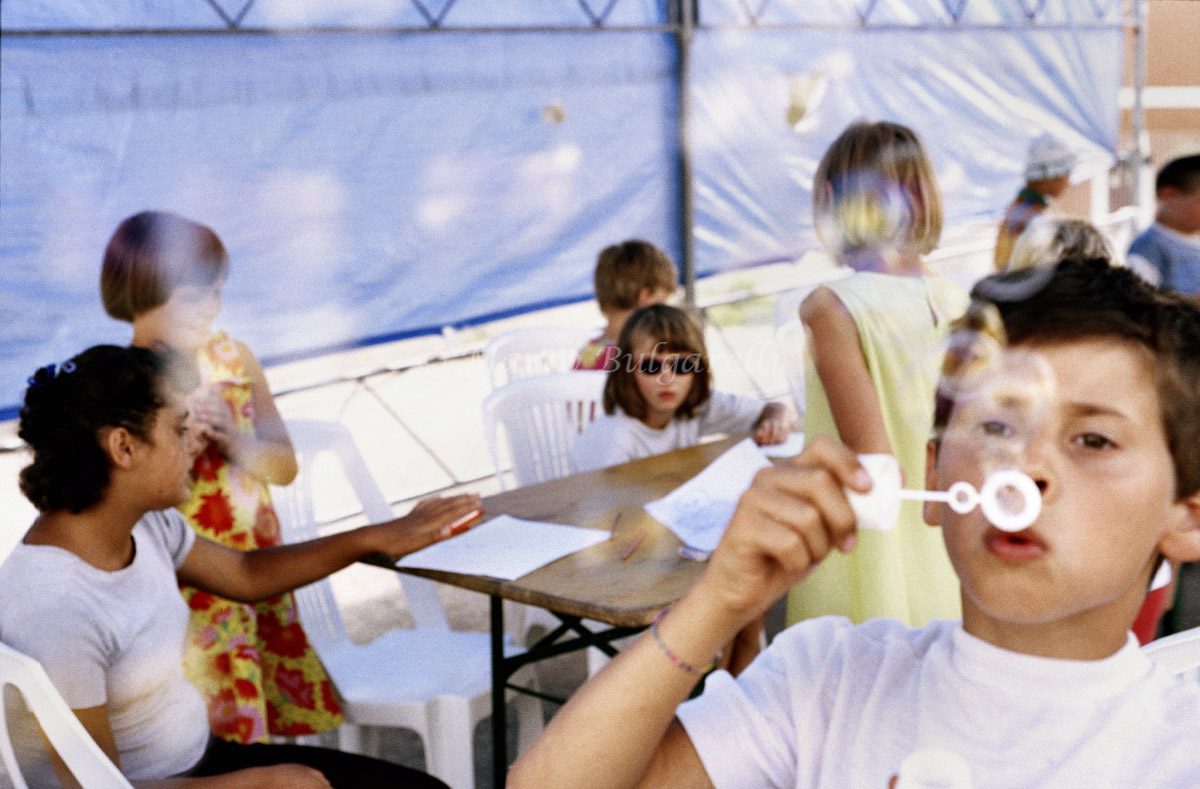
Chernobyl children of Belarus
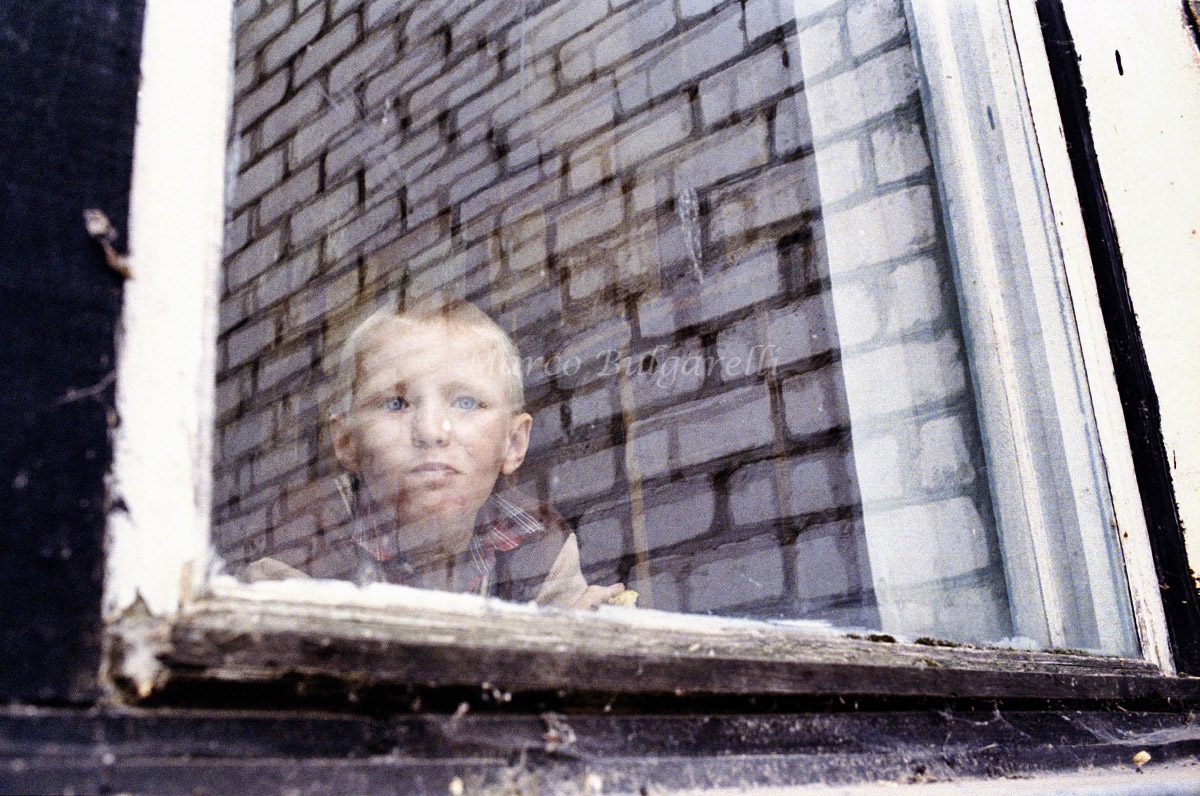
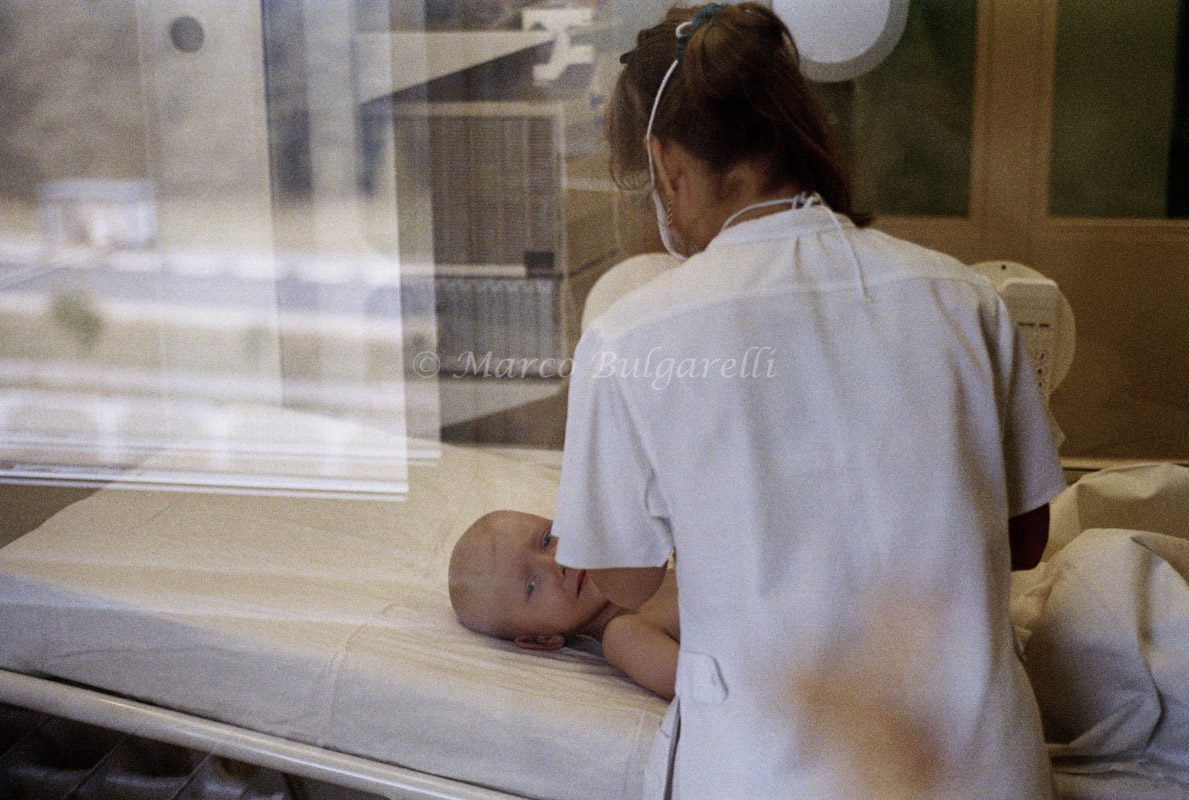
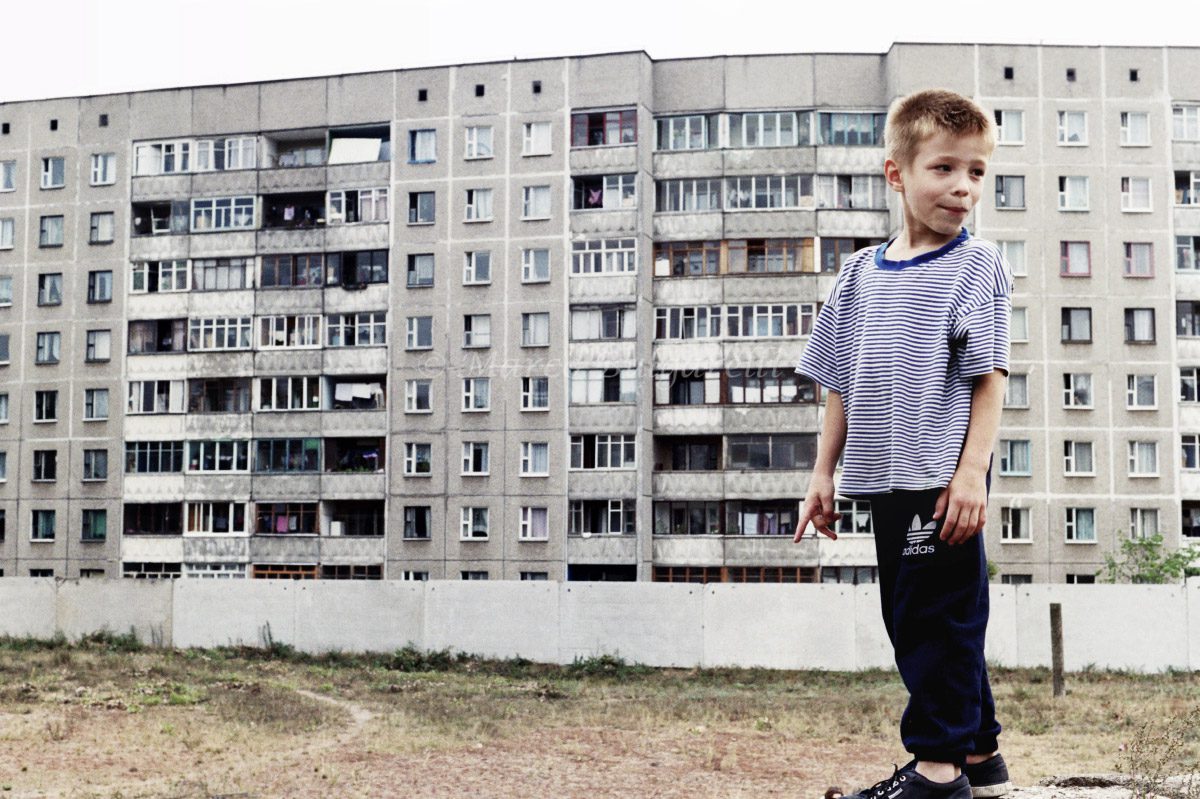
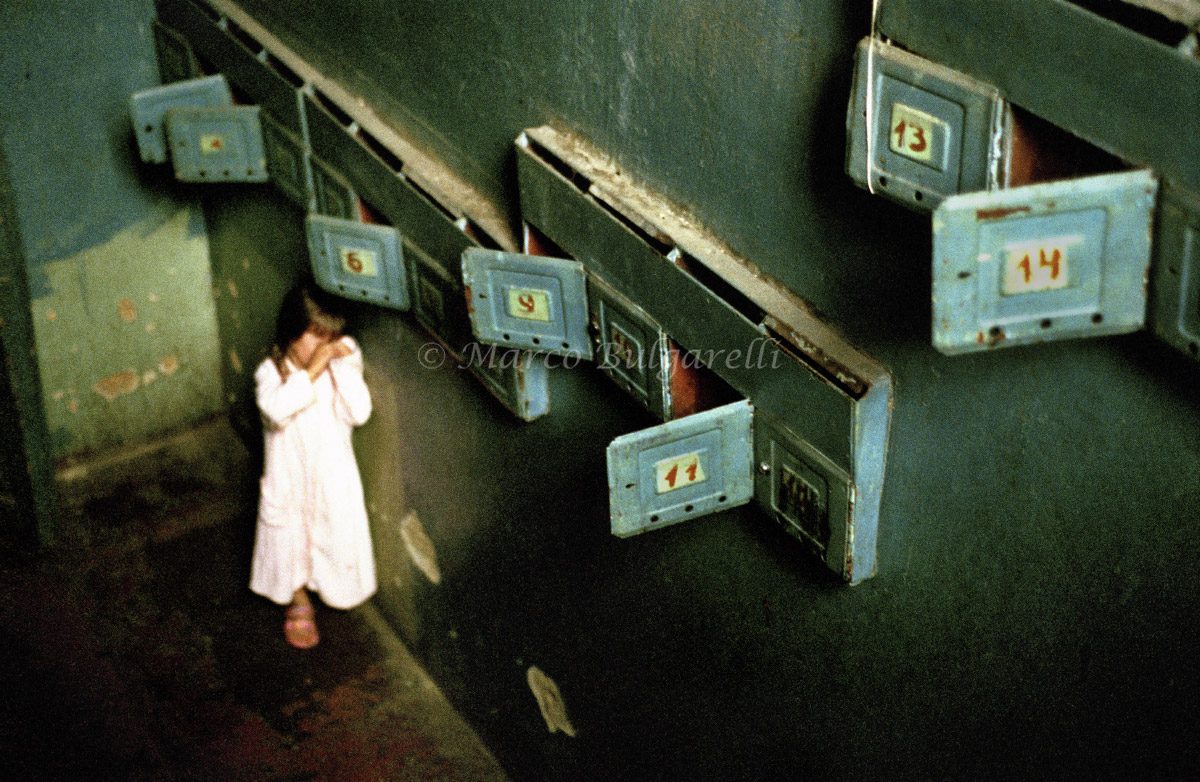
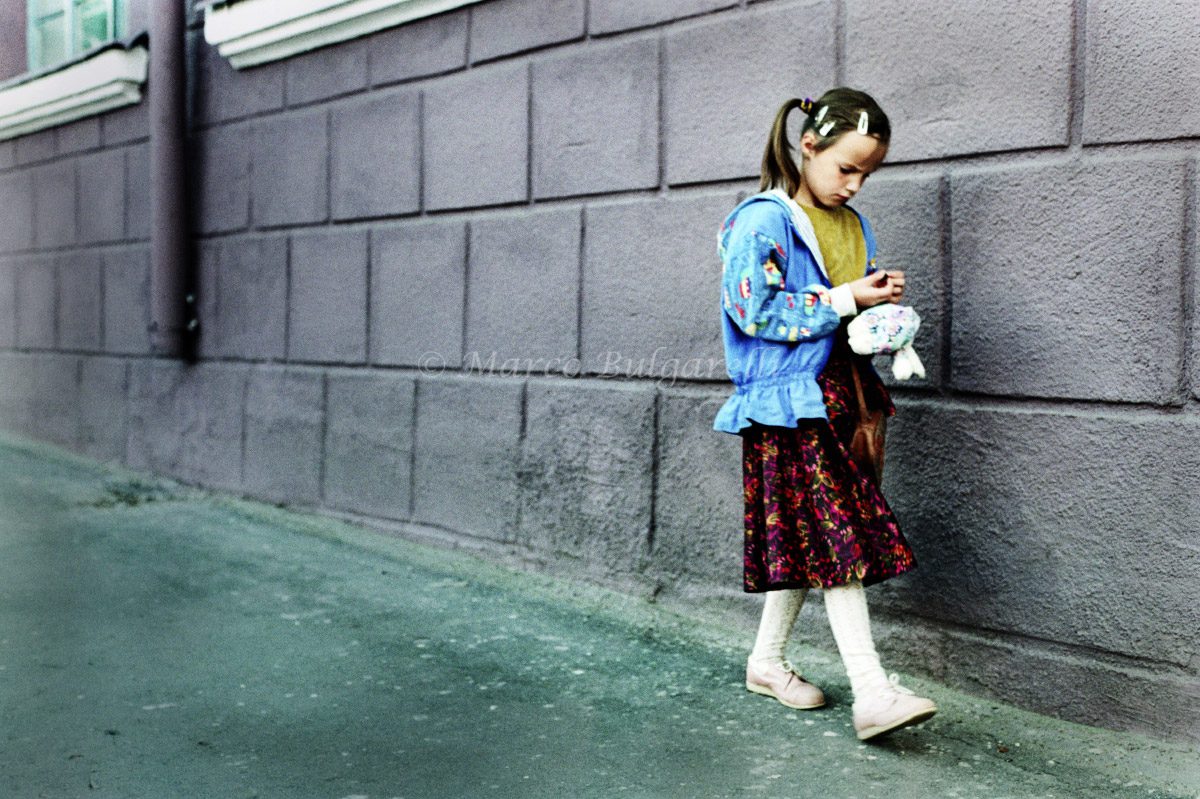
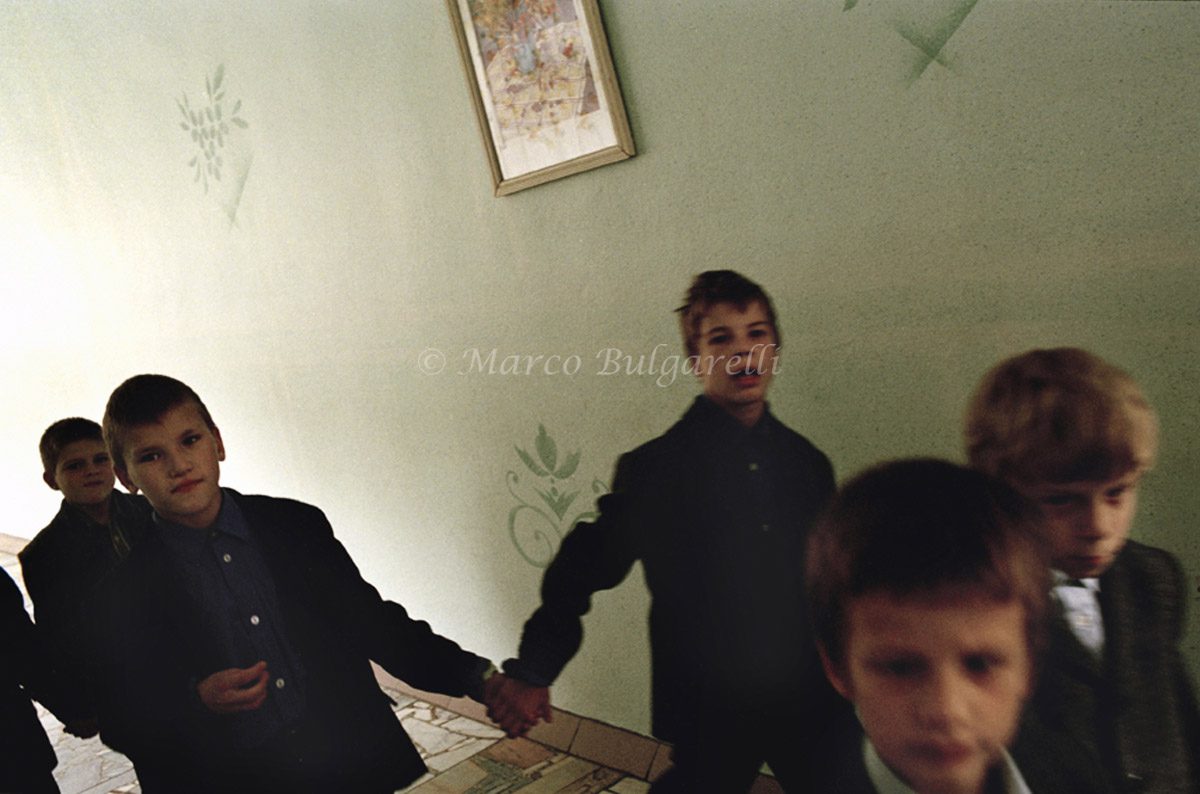
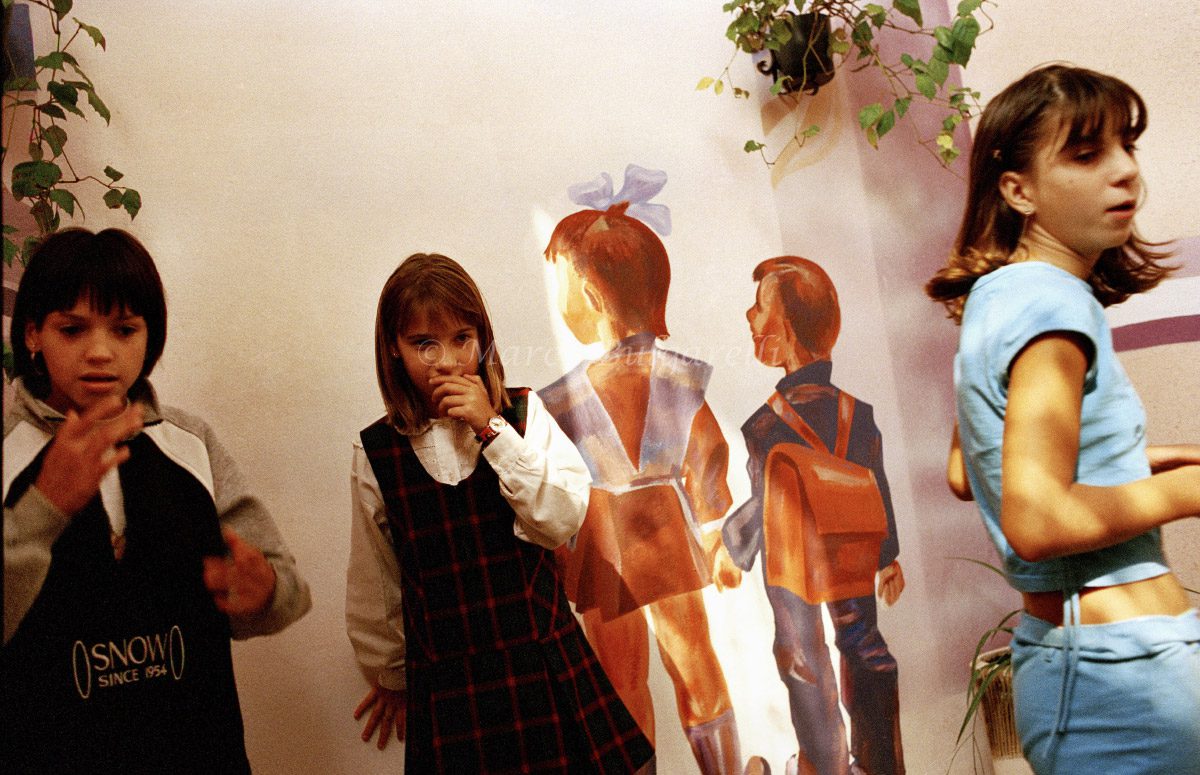
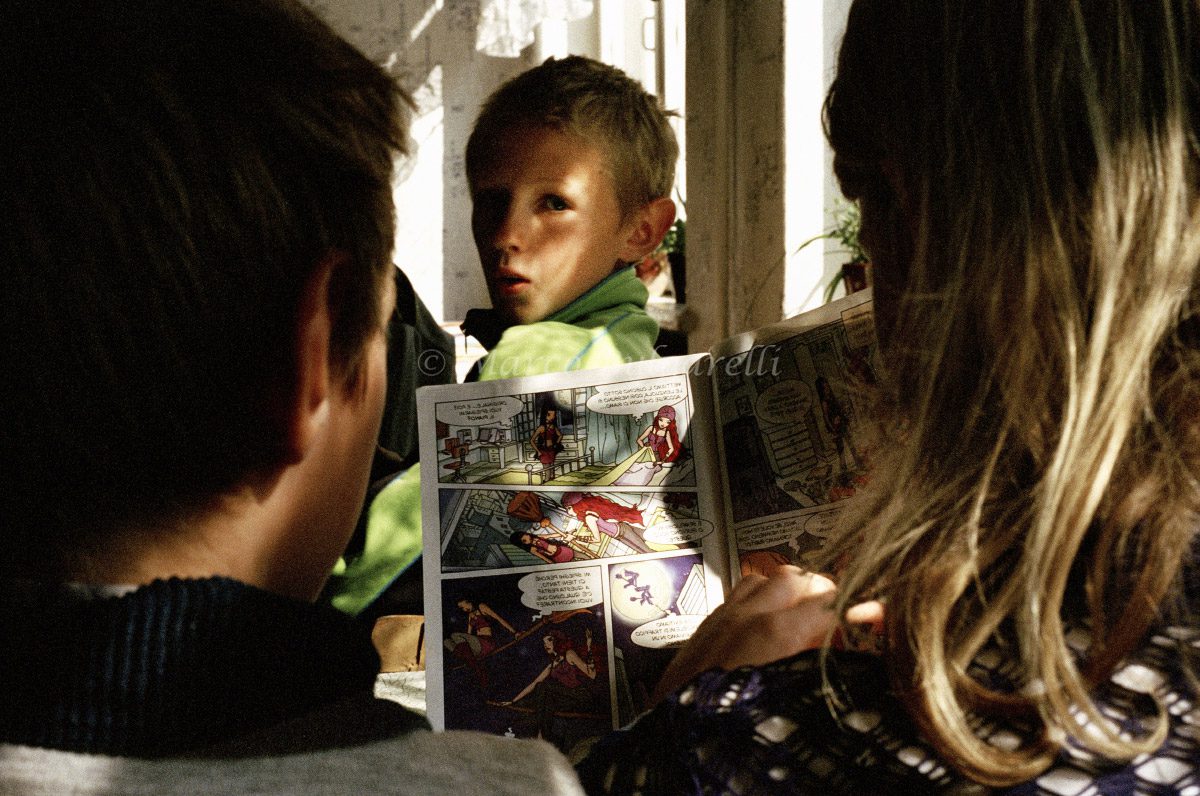
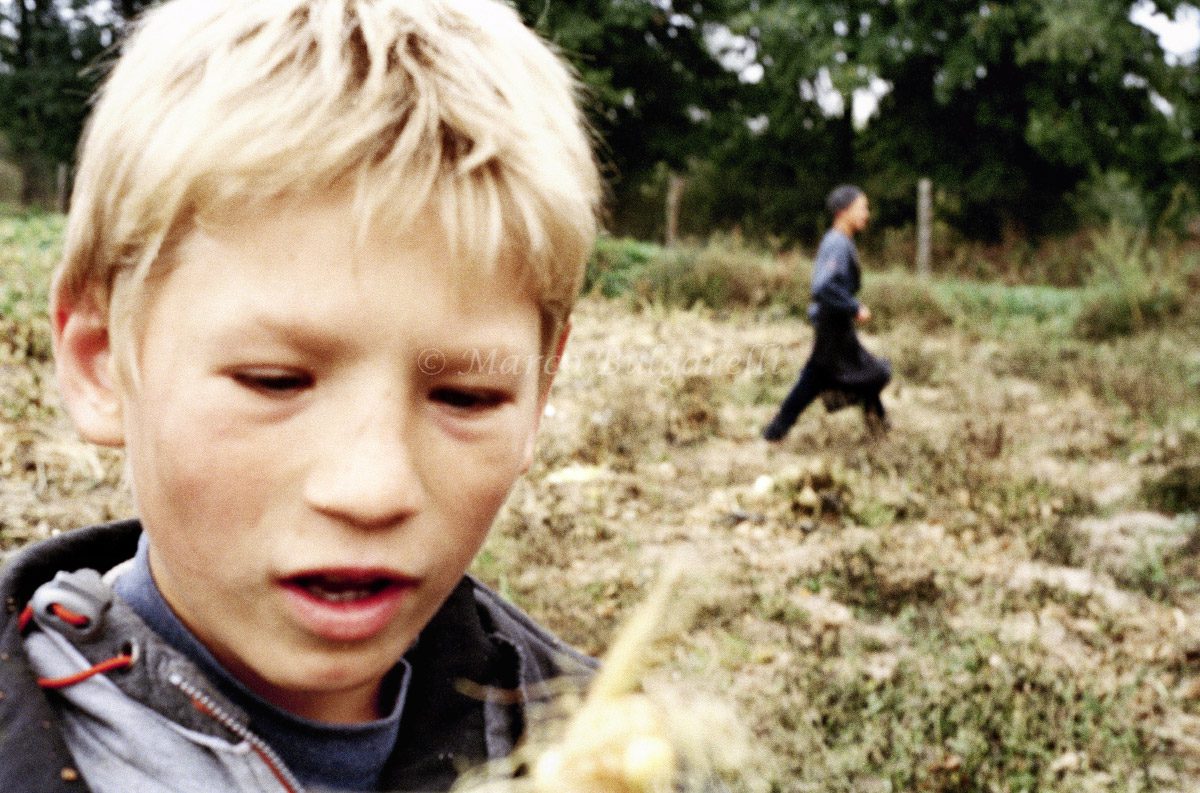
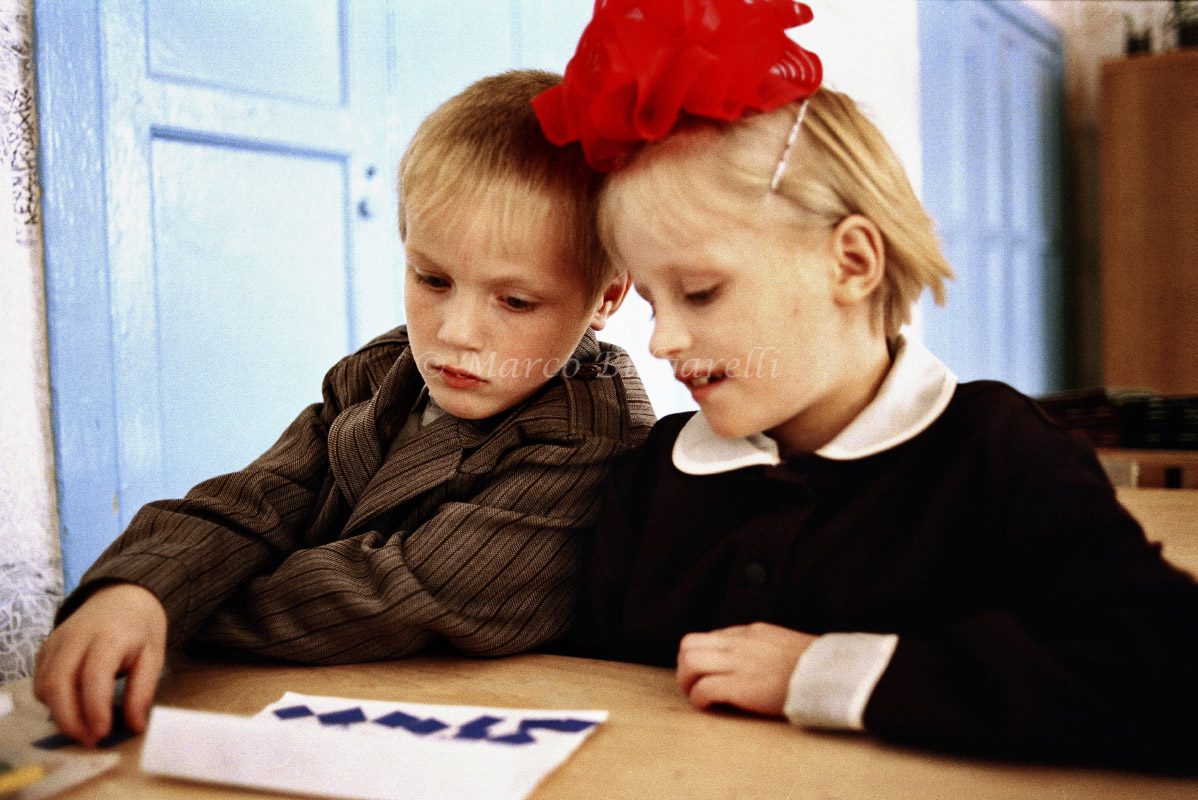
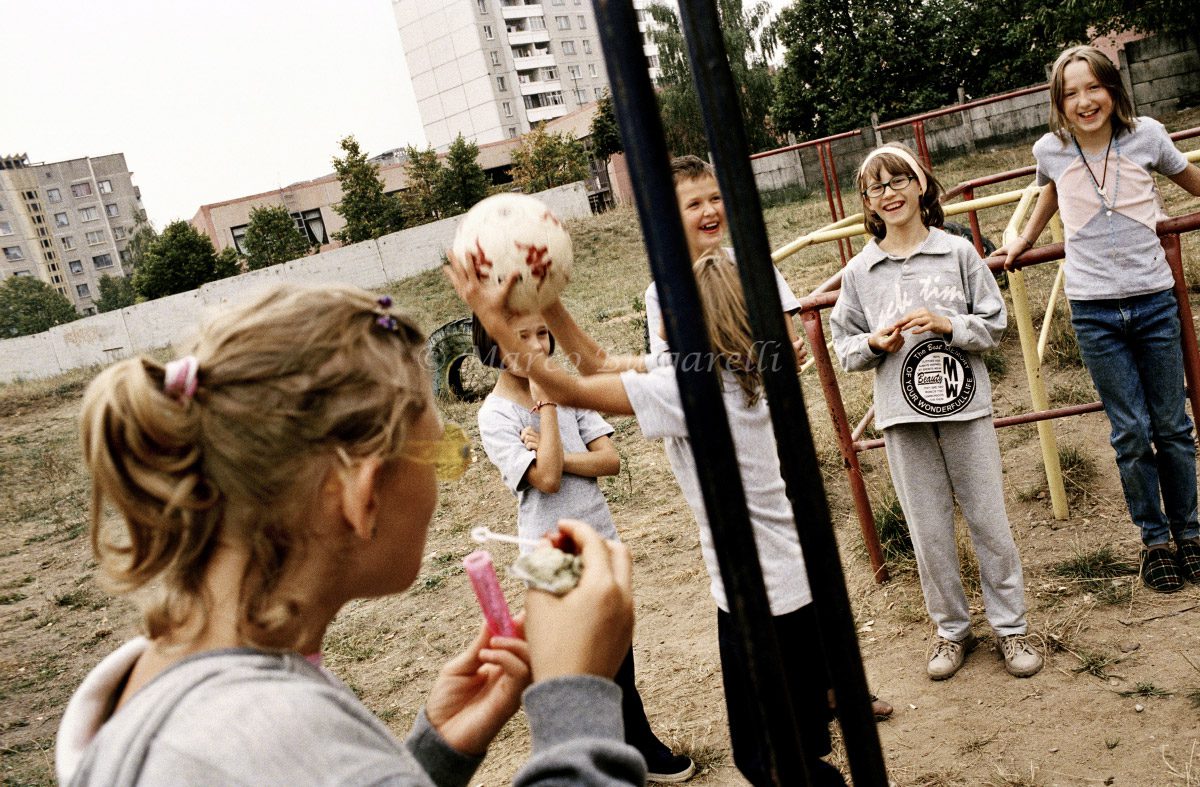
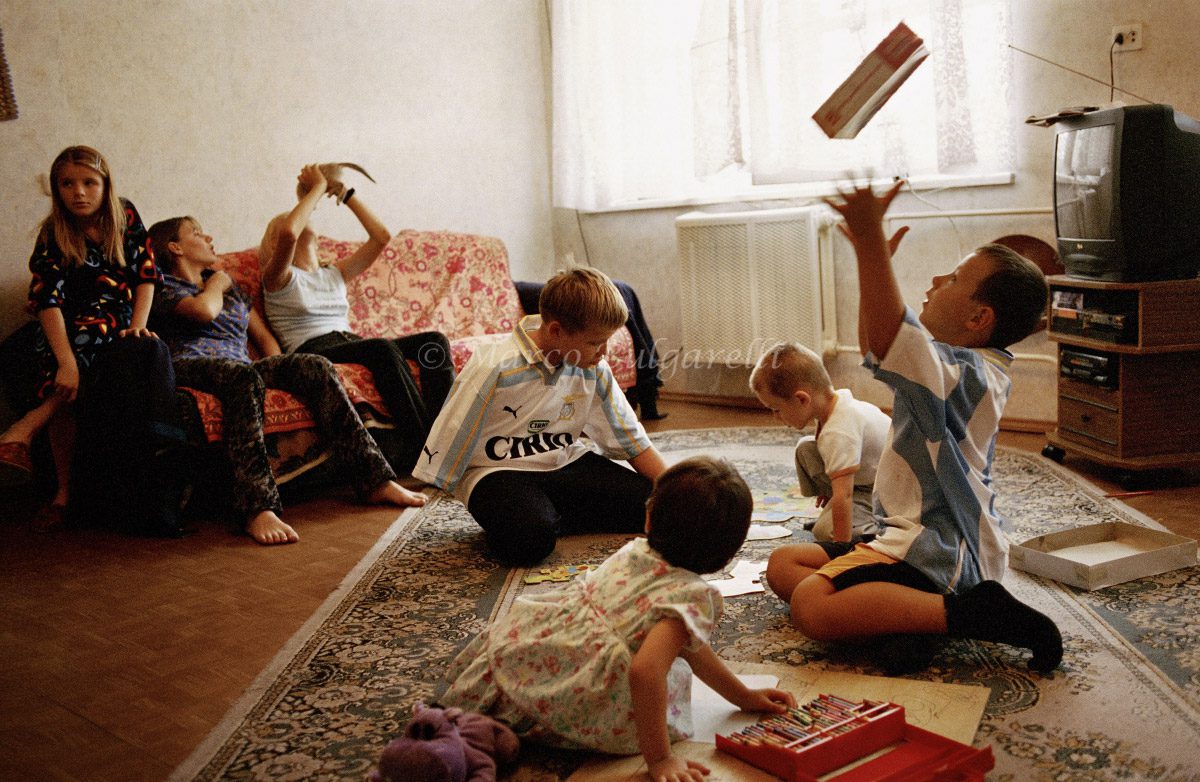
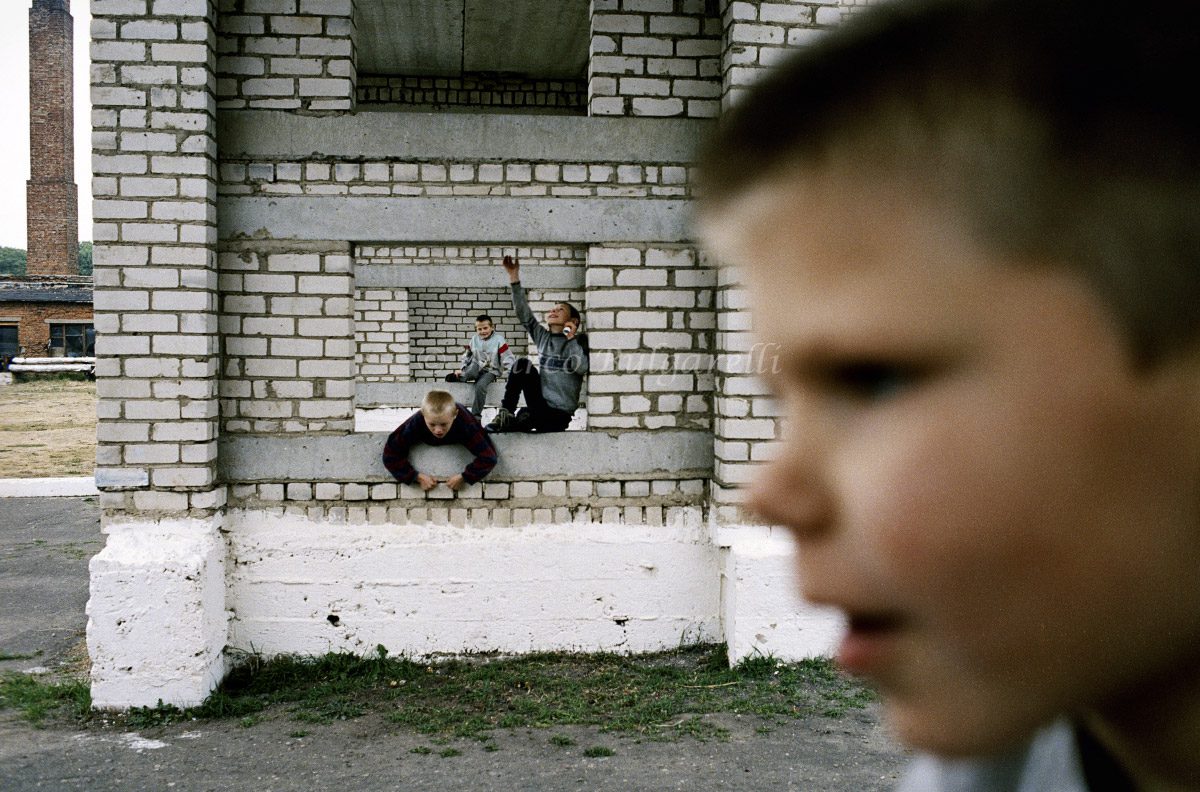
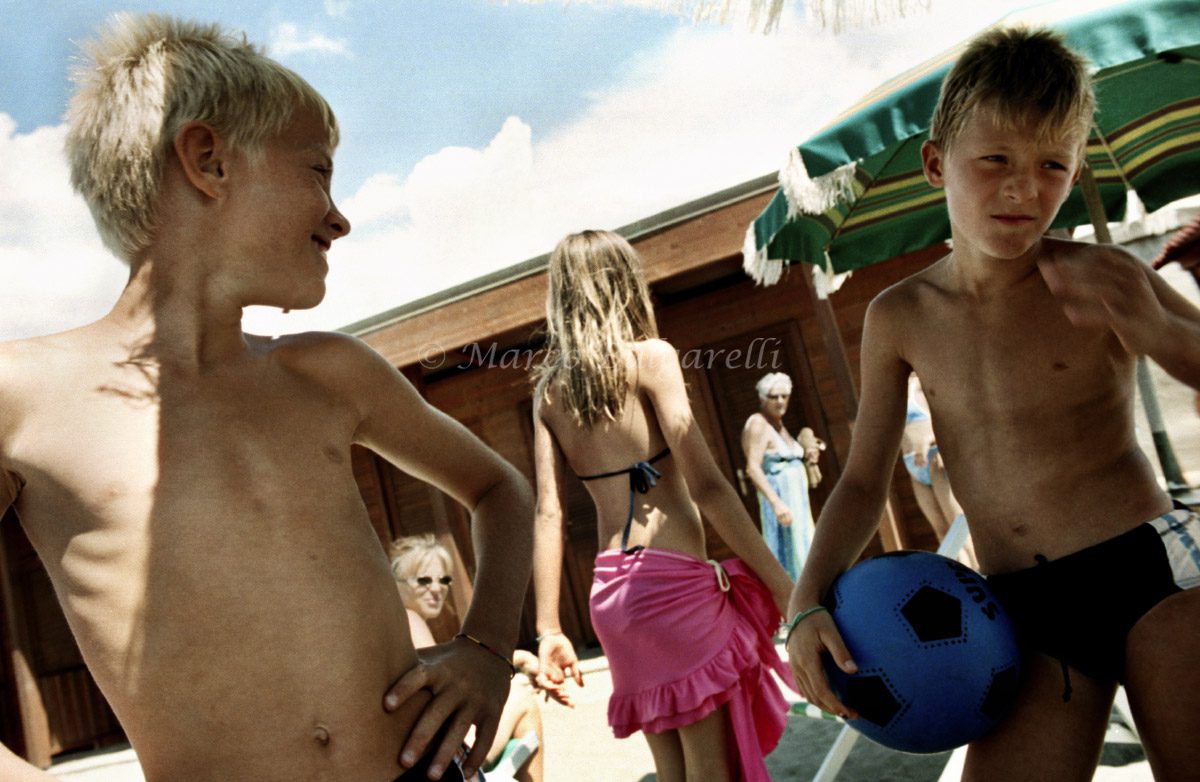
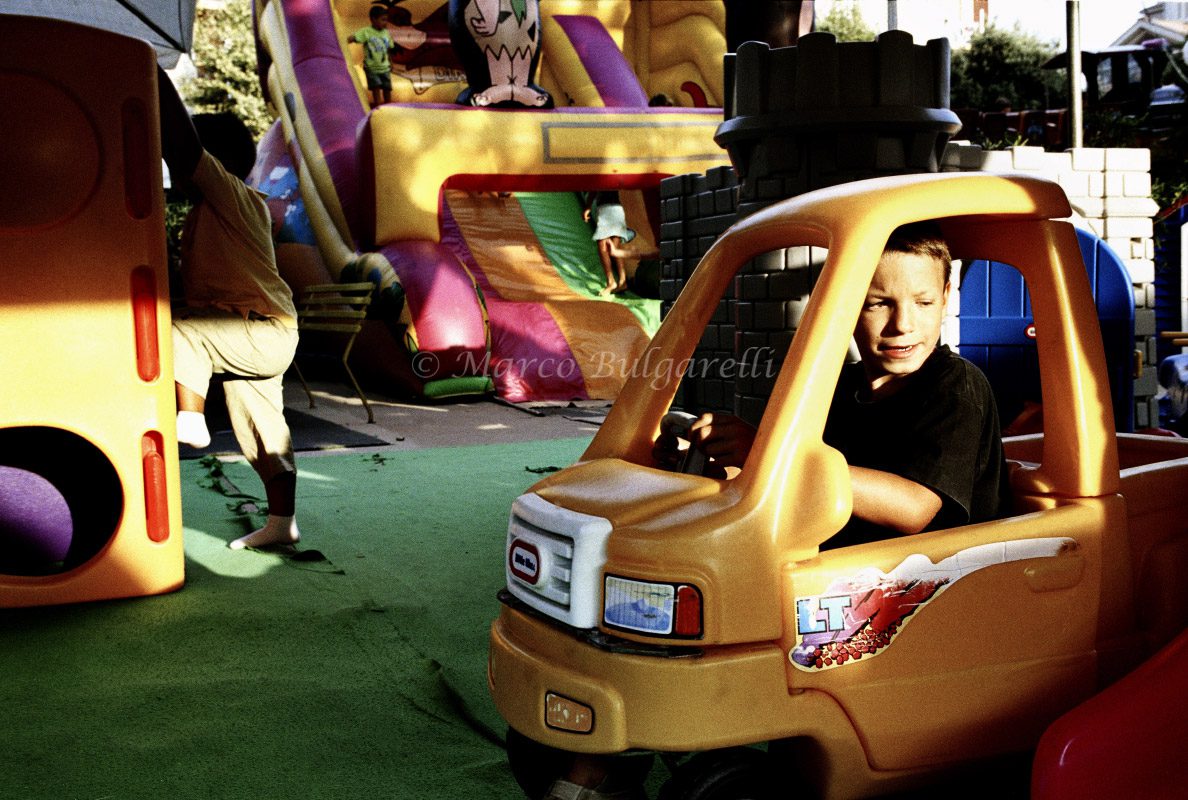
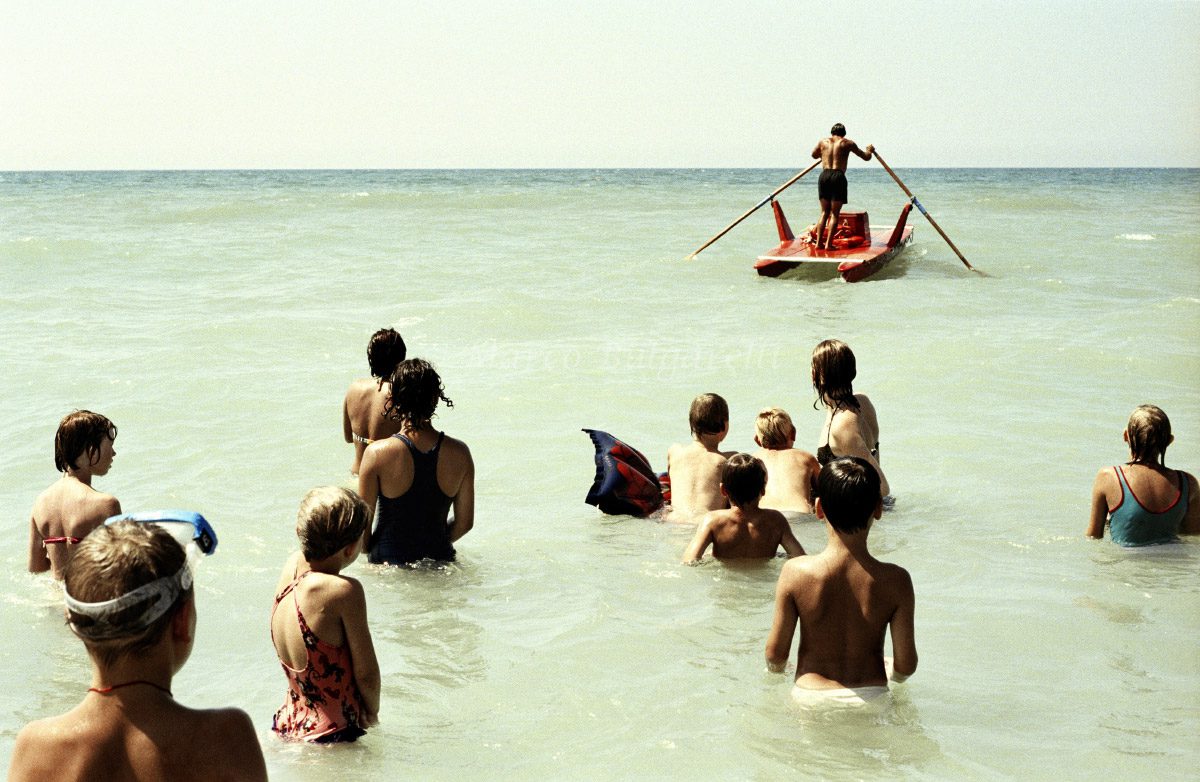
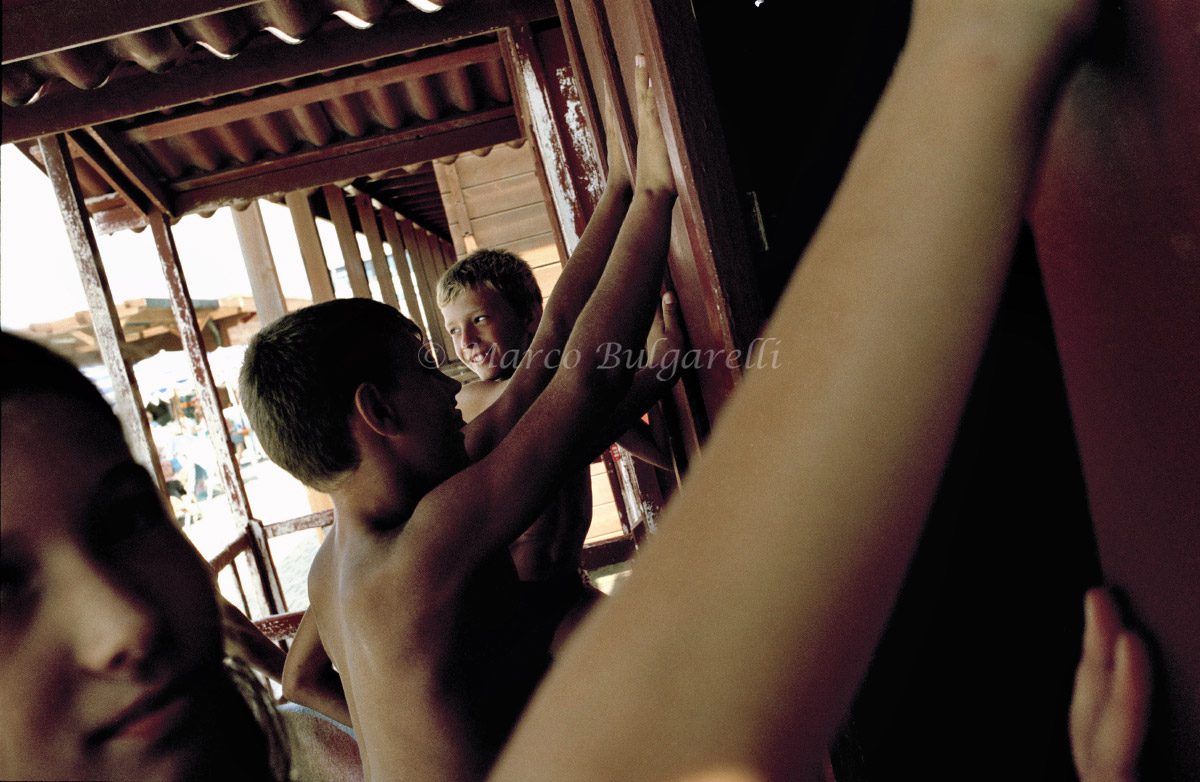
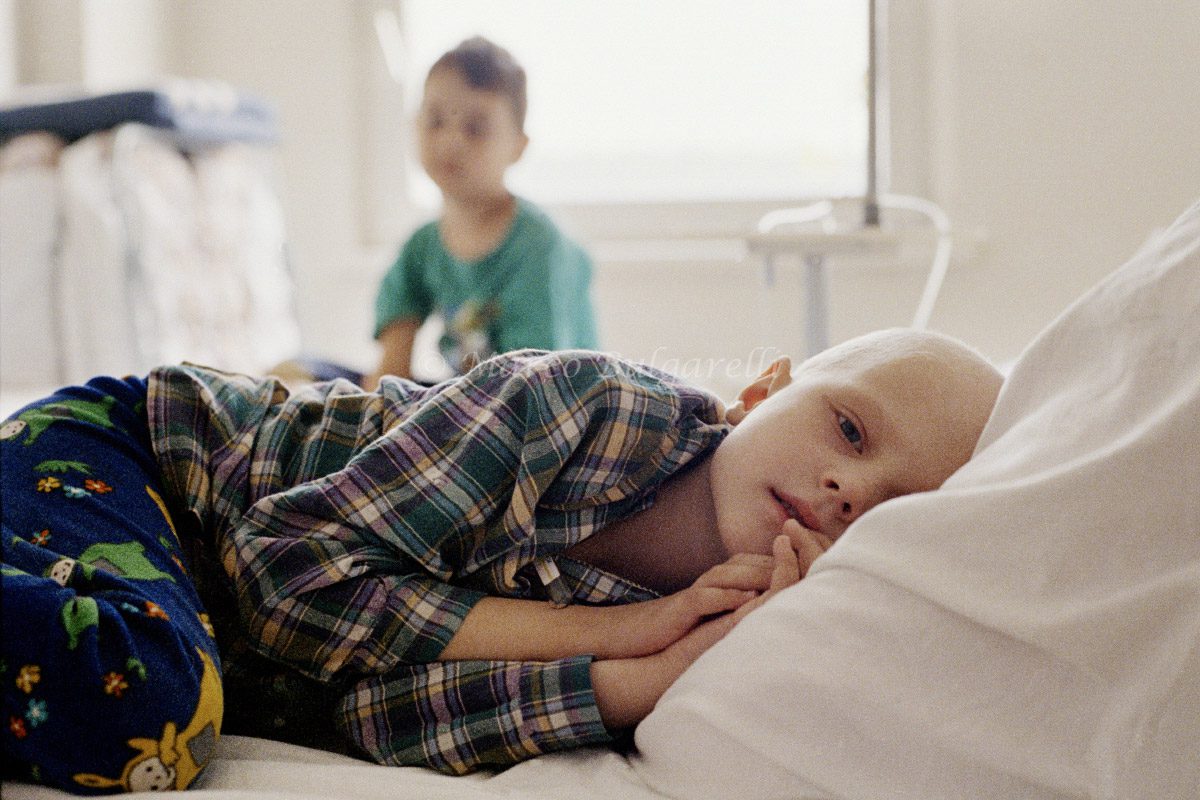
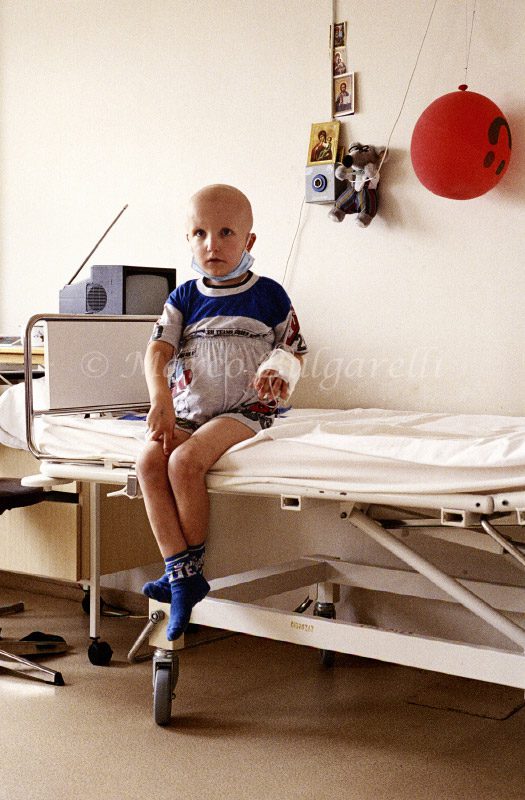
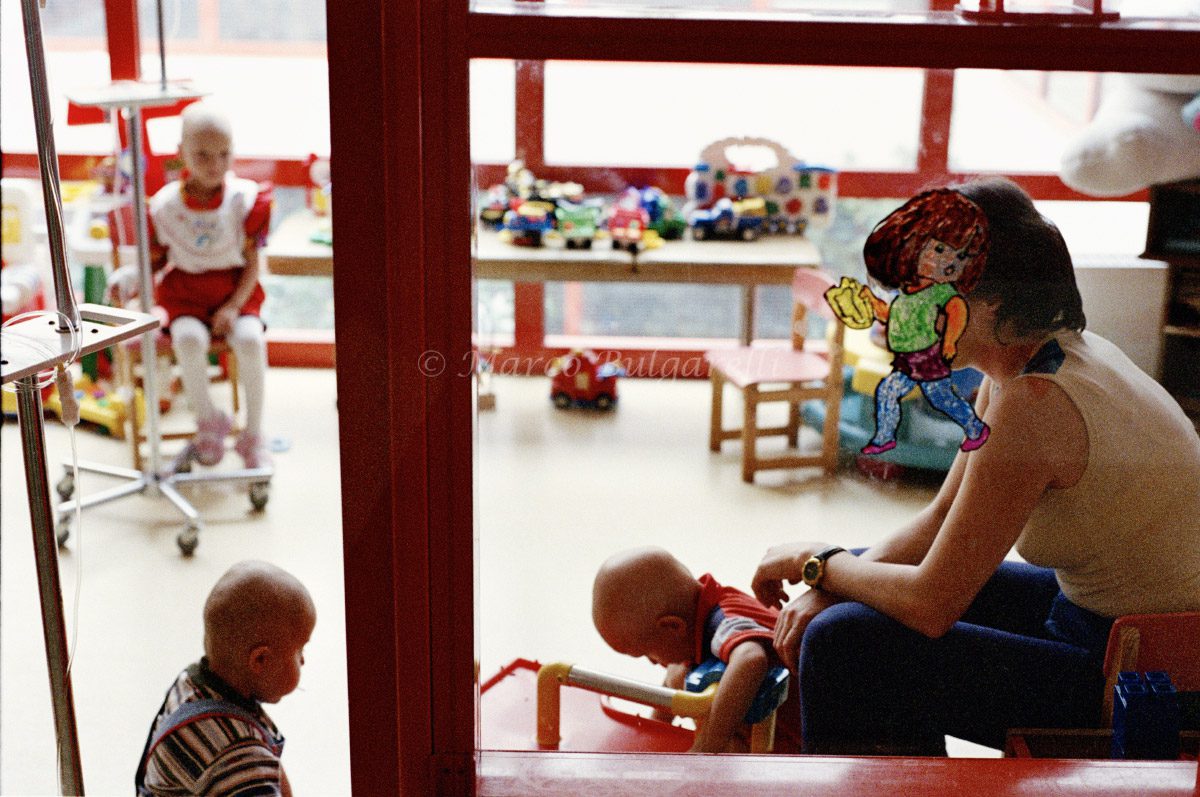
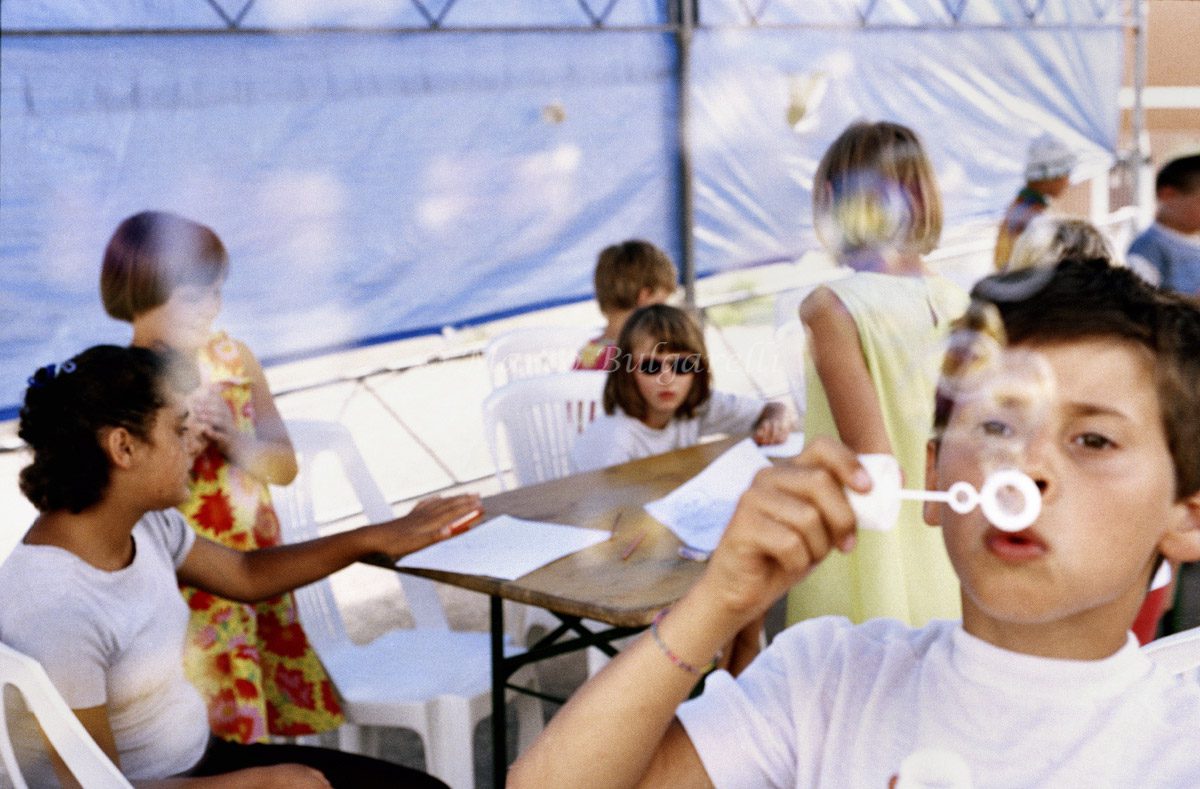
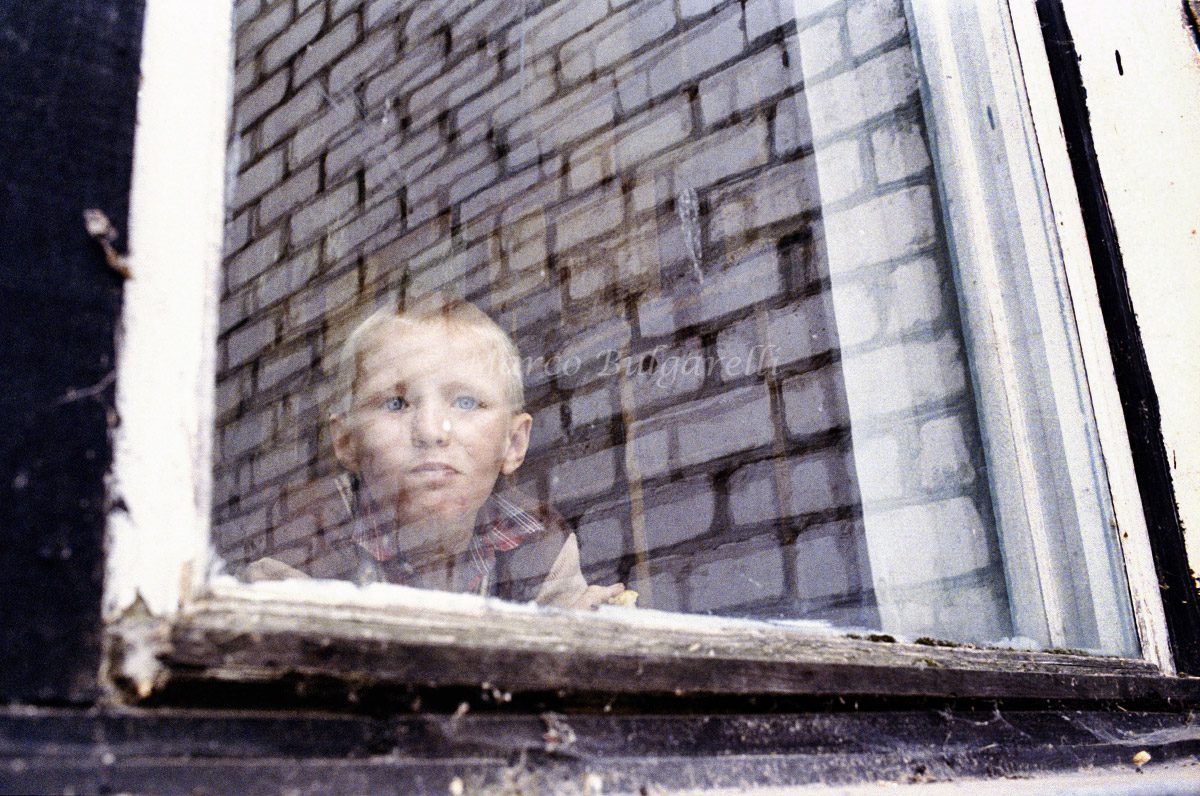
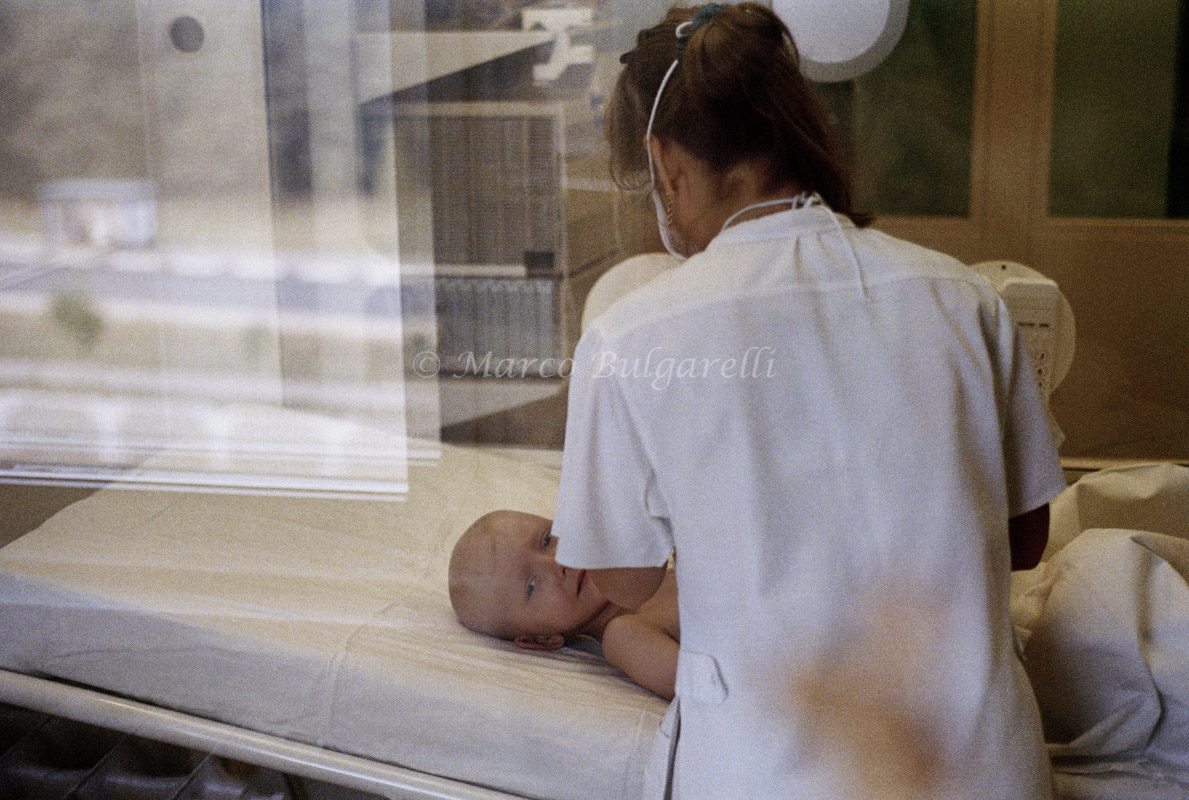
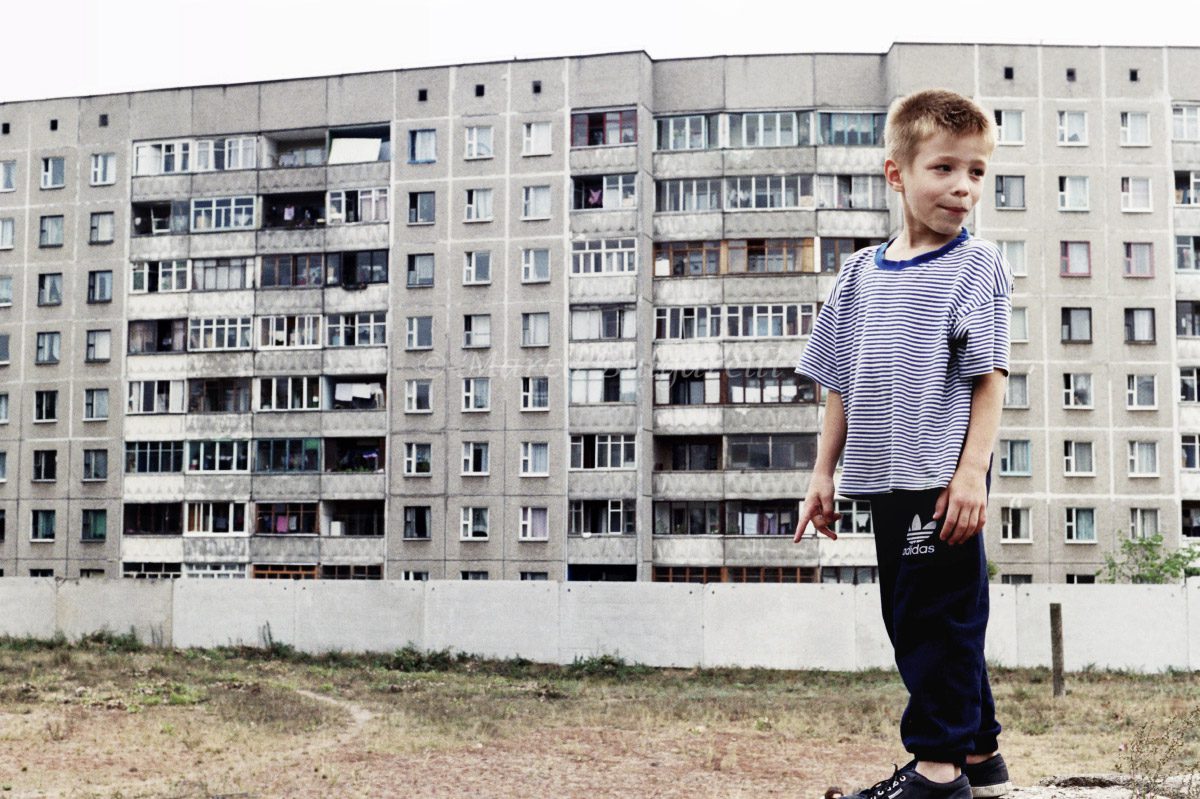
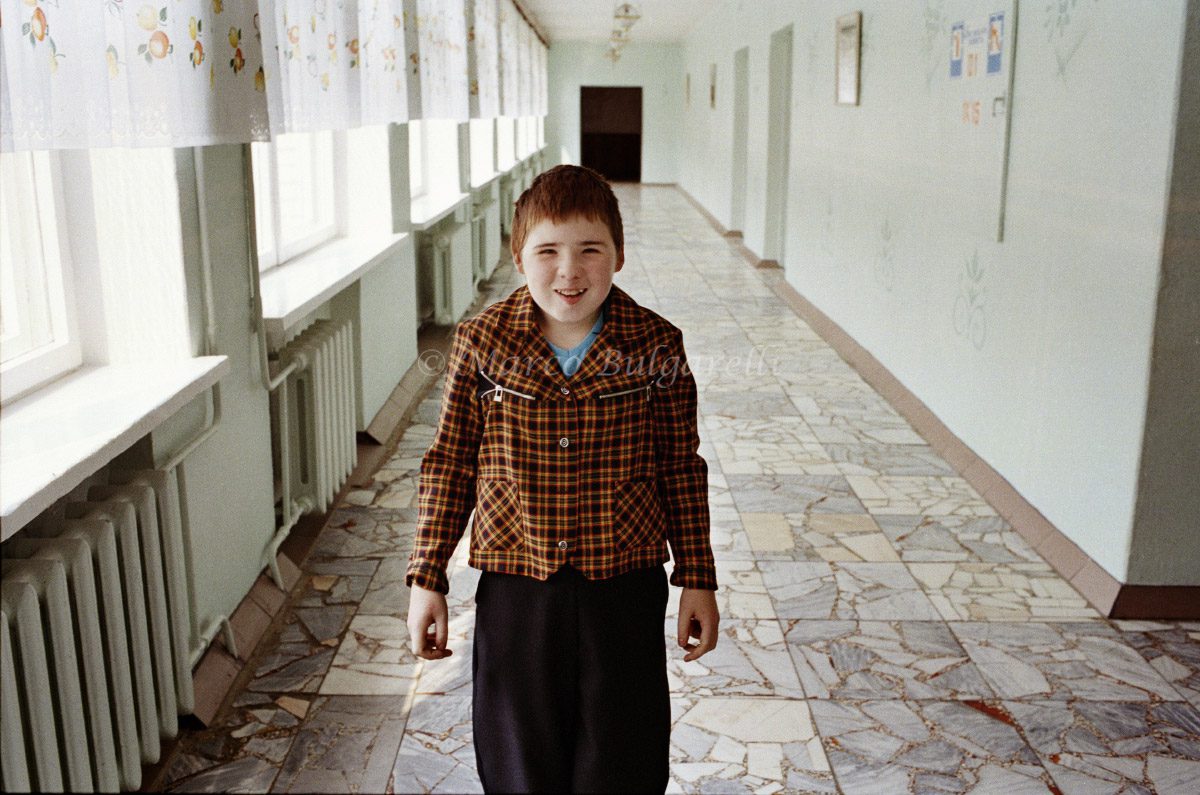
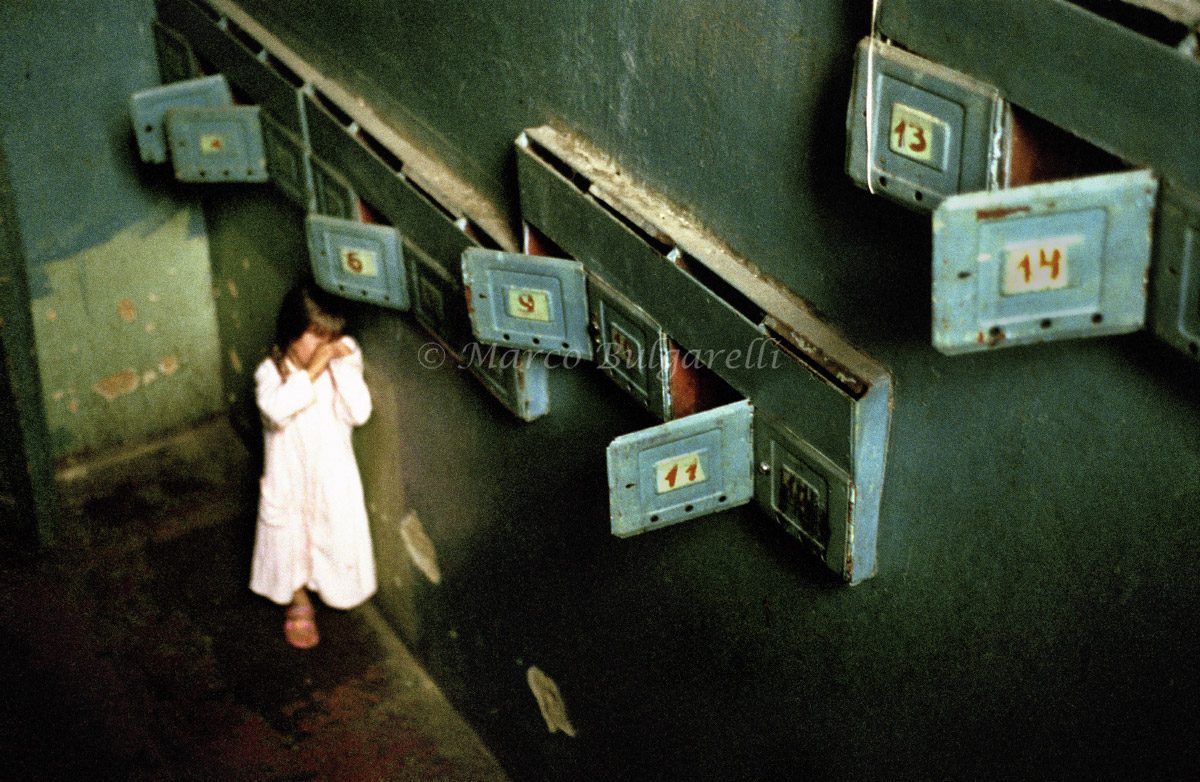
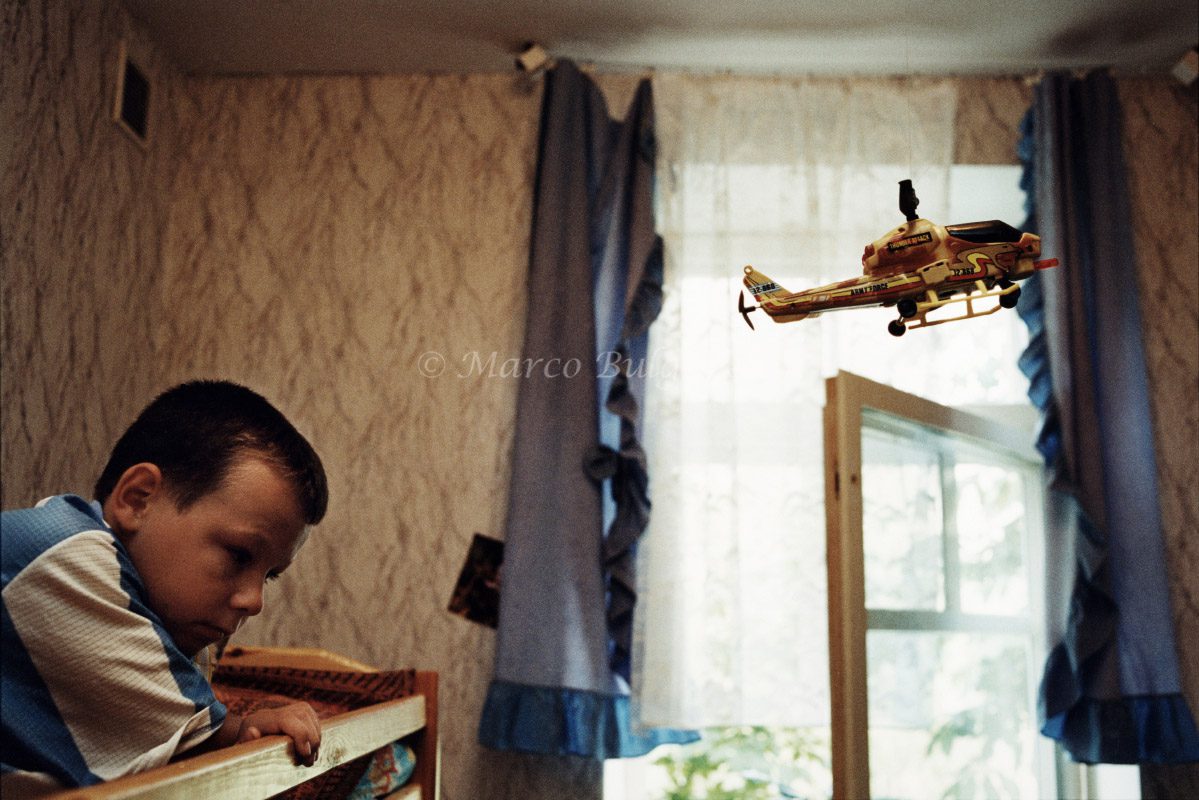
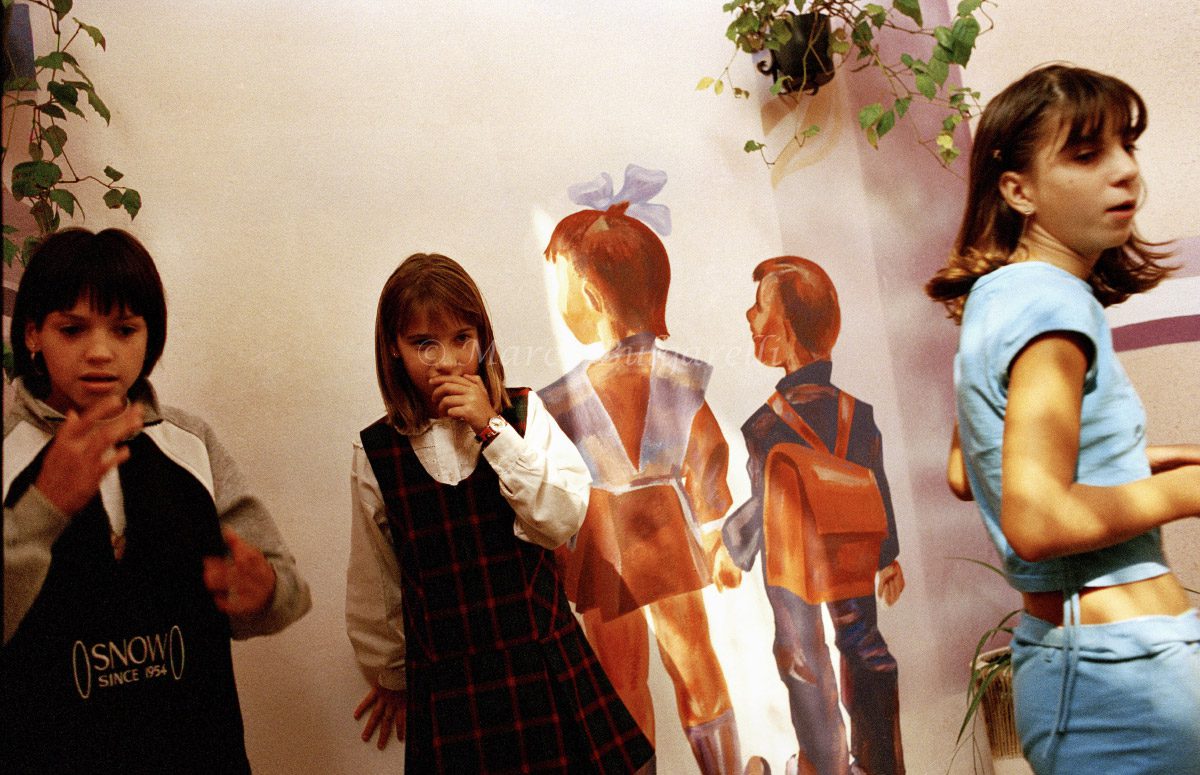
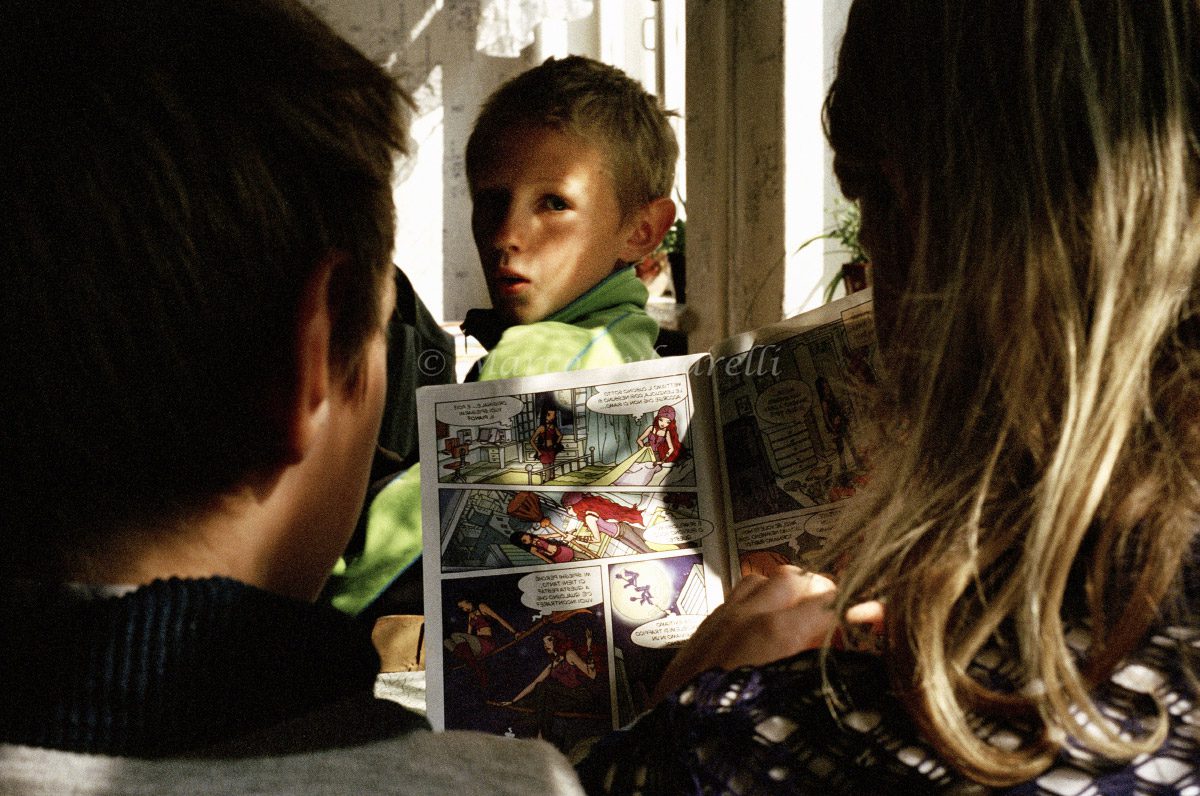
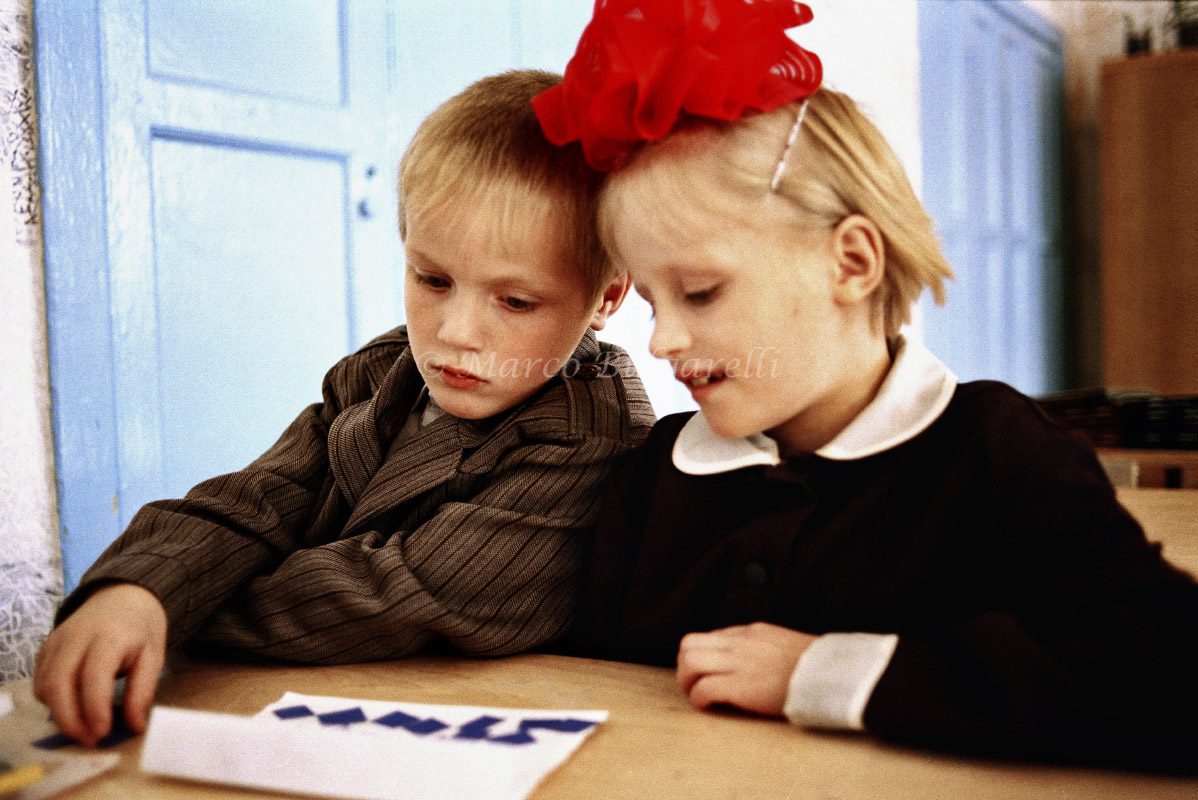
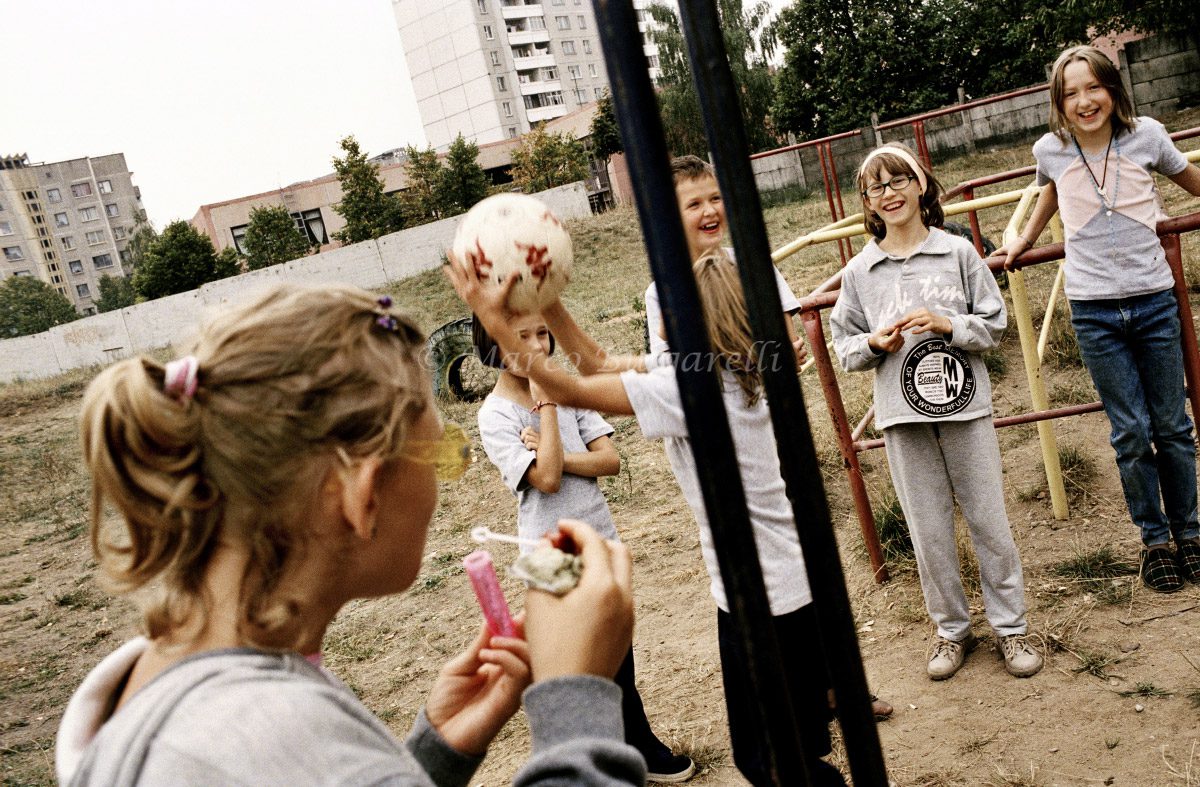
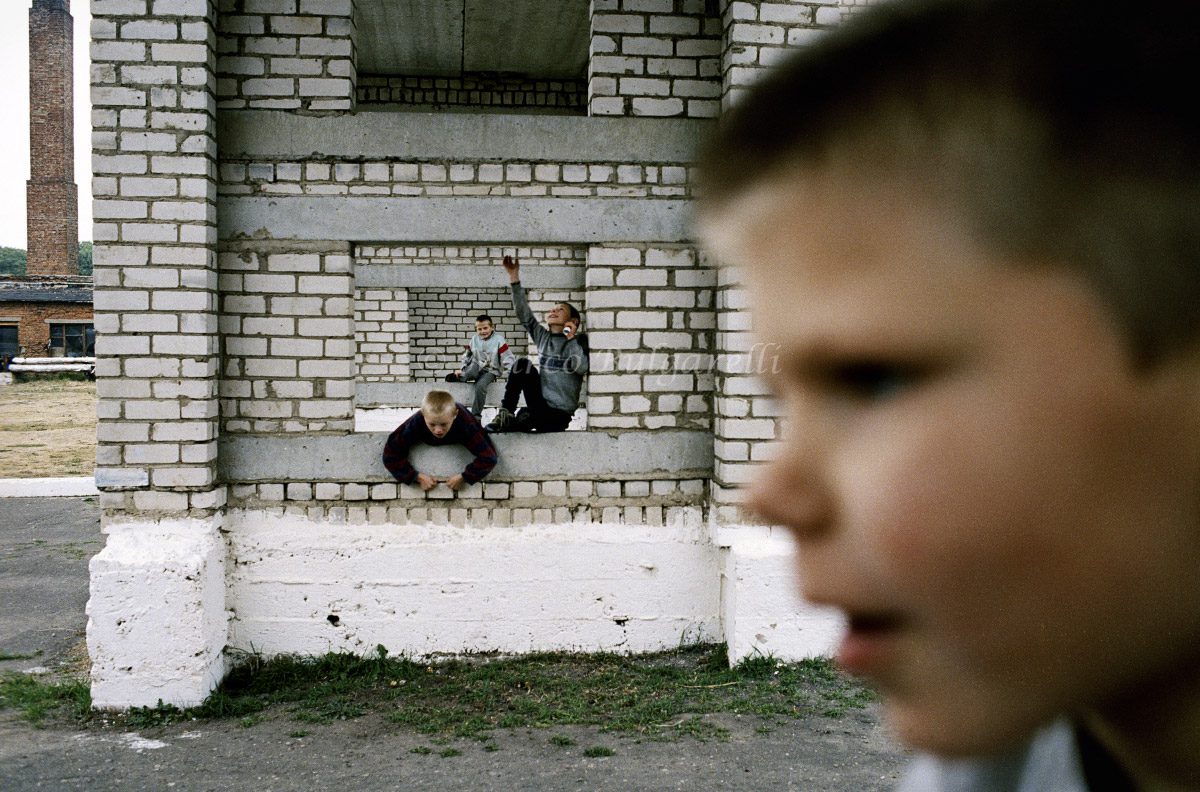
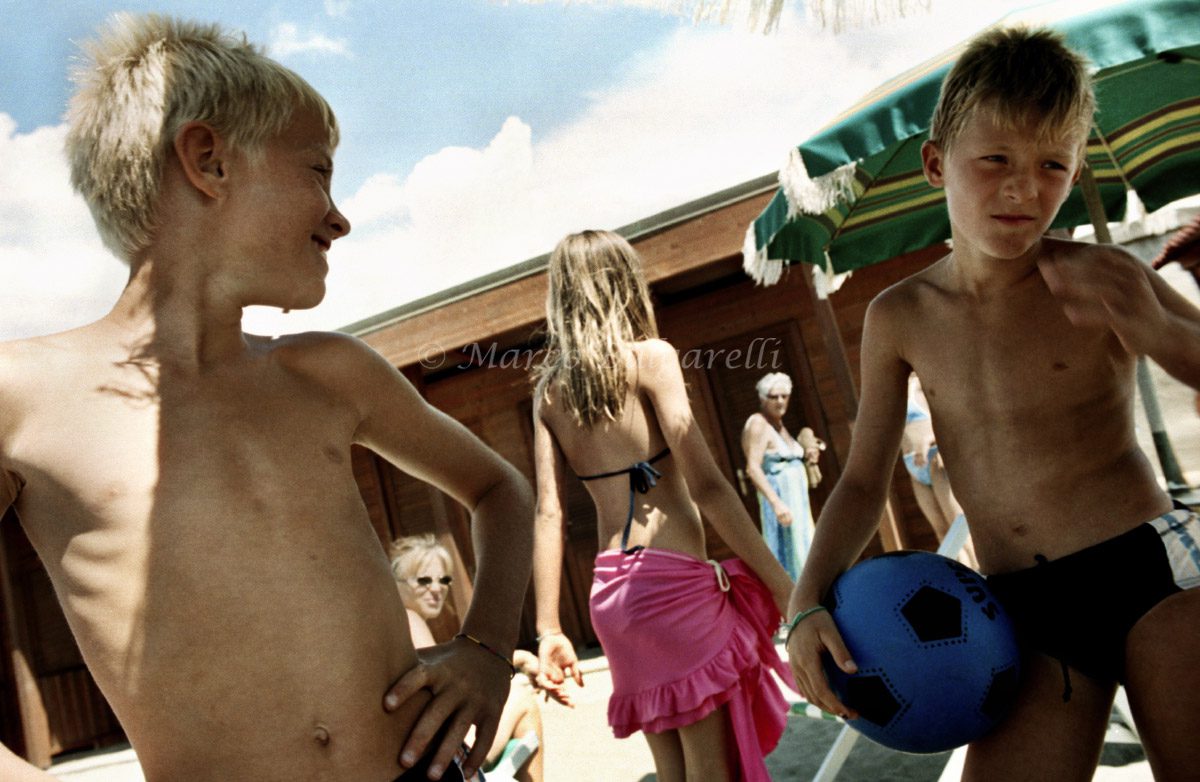
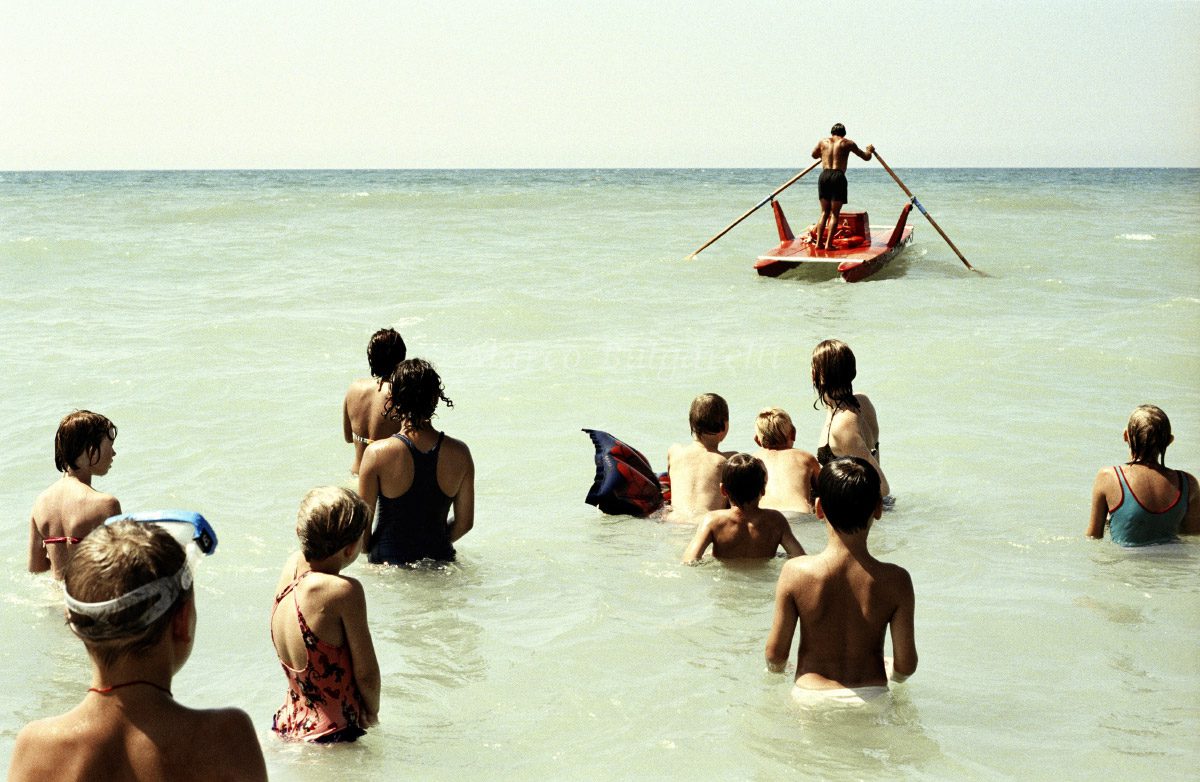
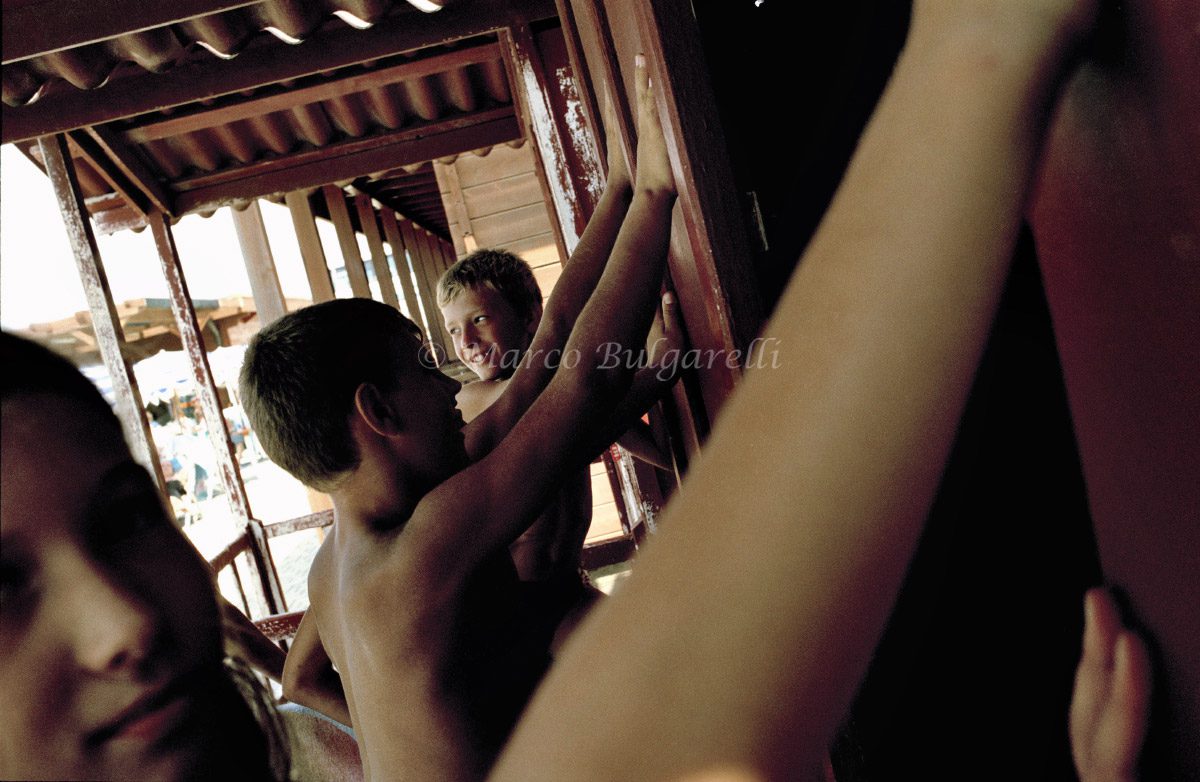
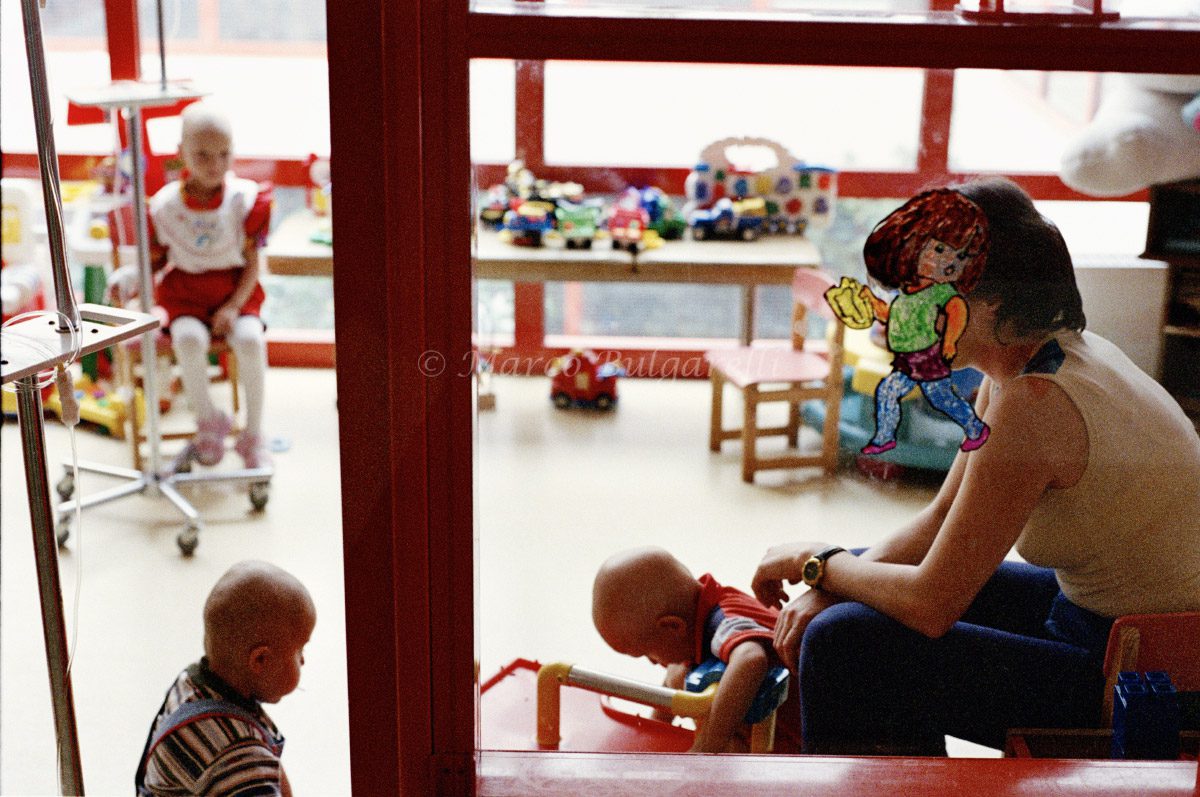
At 01:23 am of a fateful day, April 26th, 1986, Ukraine and the neighbour Belarus became a huge open-air deposit of radioactive material: the atomic reactor number 4 of the Chernobyl nuclear power plant exploded and released the biggest toxic cloud that the world had never known. An area of 155.000 squared meters in the heart of the “Europe’s granary” became in a few minutes an endless contaminated field, and the toxic cloud destroyed around 52.000 squared kilometres of crops. They were gone forever. It was like the Southern Italy was become a huge dump of radioactive material and the citrus plantations of the whole Sicily and the vineyards of Puglia and Campania were burned by an unstoppable gangrene. On the twentieth anniversary of the nuclear disaster which contaminated around 8 millions and 400 thousands people in Ukraine, Russia and Belarus (UN data), many children were able to avoid the rhetoric of a predictable catastrophe, the tears of the victim’s families, the shame of being Chernobyl children. Every year in Italy, in Europe and in the World a number of humanitarian associations organize temporary adoptions in host families for thousands of 7-18 years old children who come very often from one of the several orphanages or family house in Belarus (94% of cases). These orphanages host basically “alives’ orphans”, since more than 30.000 alcoholic parents have been deprived from the parental authority, and the temporary adoptions allow them to spend a three months summer vacation (plus Christmas and Easter Holydays) far away from those radiations that killed around 4400 people just in Ukraine. A breath of fresh air, in the true sense of the word, which means to strengthen the immune system of the children who fall ill five six times per year even though they were born without any kind of deformity. A simple cold can represent a threat for a body whose antibodies have been partially killed by carcinogenic radiations. But the list of pathologies includes leukaemia and cancer. Offering the opportunity to these kids to avoid Chernobyl’s air, water and food, even for only a few weeks means saving them from thyroids cancer, from mental disturbances and the growth of anomalous antibodies leading to a slow process of self-destruction. The experts claim that in the next 10 years, “Chernobyl’s syndrome” could affect other 50.000 people living in the contaminated area. By coming in our country they have the opportunity to strengthen their immune system. Death cases among kids adopted by foreign families have diminished of 30%. It’s still hard to estimate the size of this tragedy, and the only certain fact is that almost the 90% of the entire population is affected by chronic diseases. Belarus pays even a higher due because of malnutrition. This is caused by the soil being contaminated by radiations, and not even President Lukashenko was able to fight malnutrition through the 9% of the GDP devolved to the country’s welfare and medical care. Chernobyl fight daily against hunger and poverty which prevents them from being treated , but they also fight against the soviet and post-soviet blackout responsible for years of hiding the real causes of the disaster. Only in 2003 the Ukraine secret services have declassified the documents that showed the suspected reality: the tragedy of April 26th, 1986, could have been avoided if a good reactors maintenance had been kept as well as basic safety rules had been followed. The lack of these simple measures brought to the exile of atomic materials much before the lethal explosion. The last reactor was switched off in 2000, and it represented the end of a terrible chapter for the Russian authorities. They still try to silence those who try to declare the real causes of the Chernobyl disaster: the works on reactor numberà4 have been executed superficially and in a manner that didn’t grant the general safety, even in short time period.
|