Buddhism in Myanmar
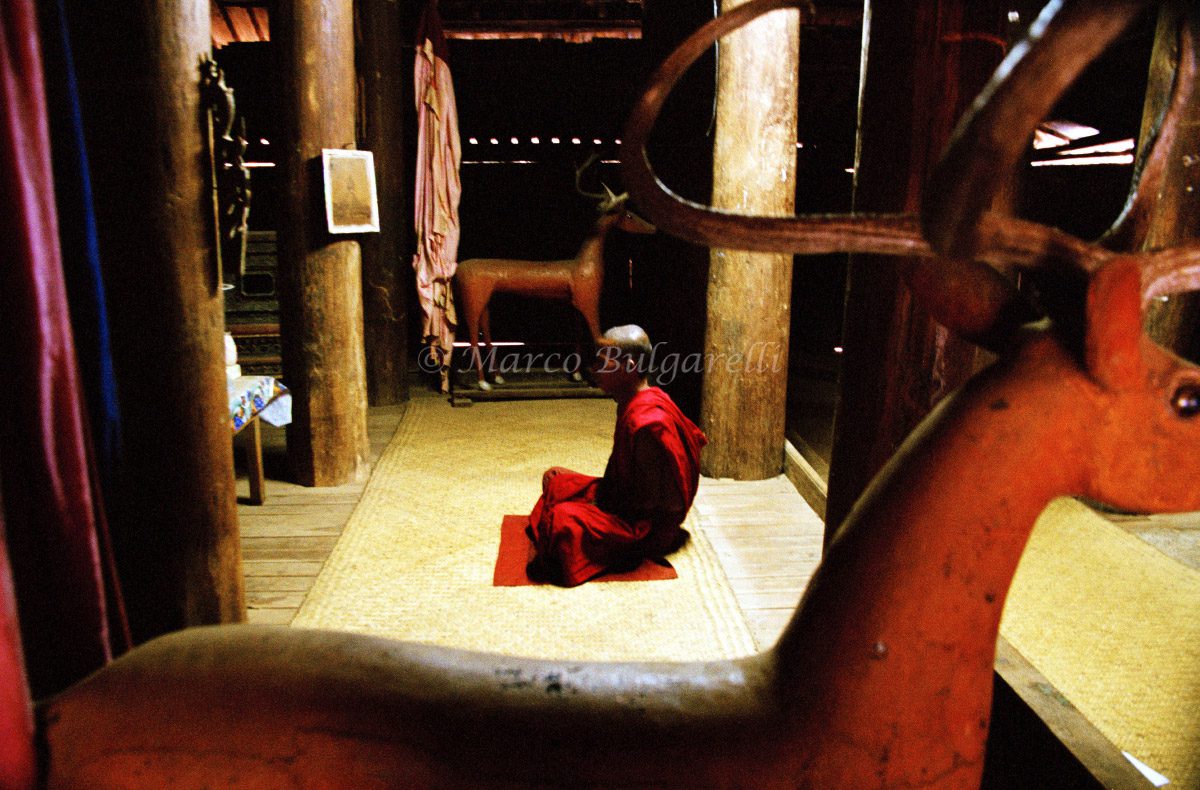
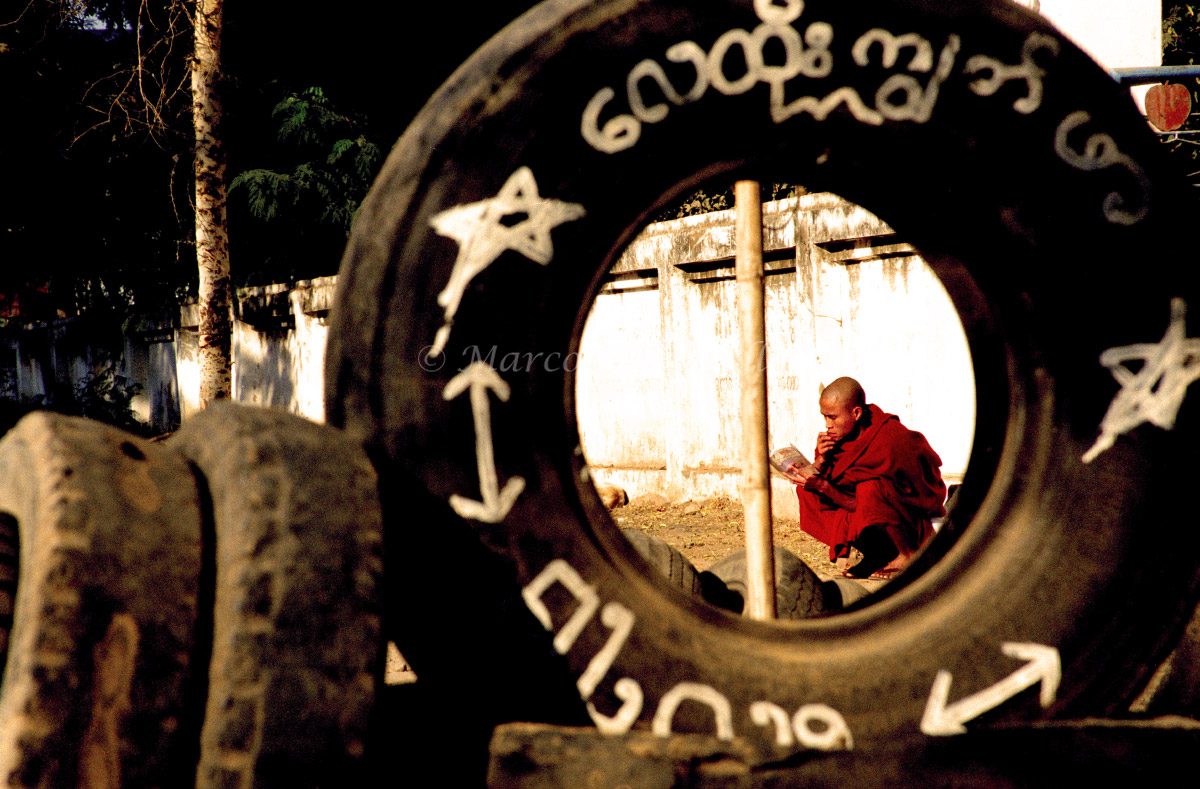
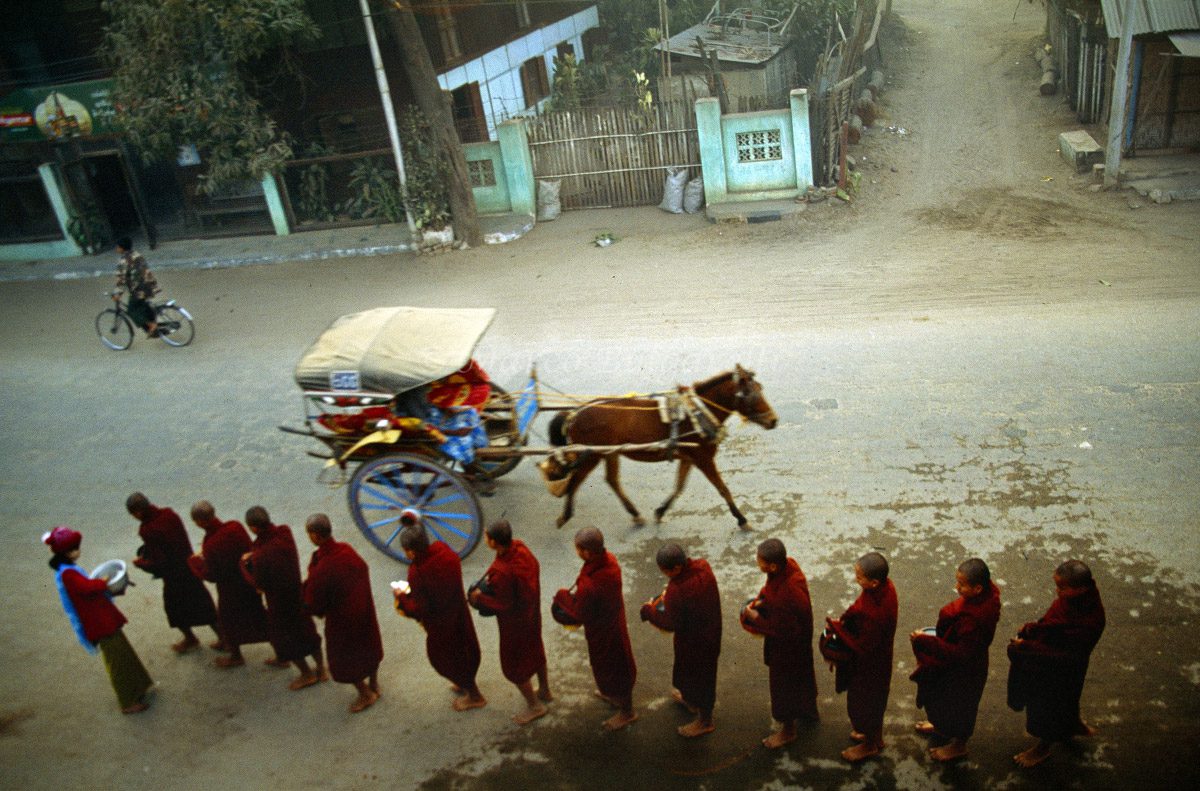
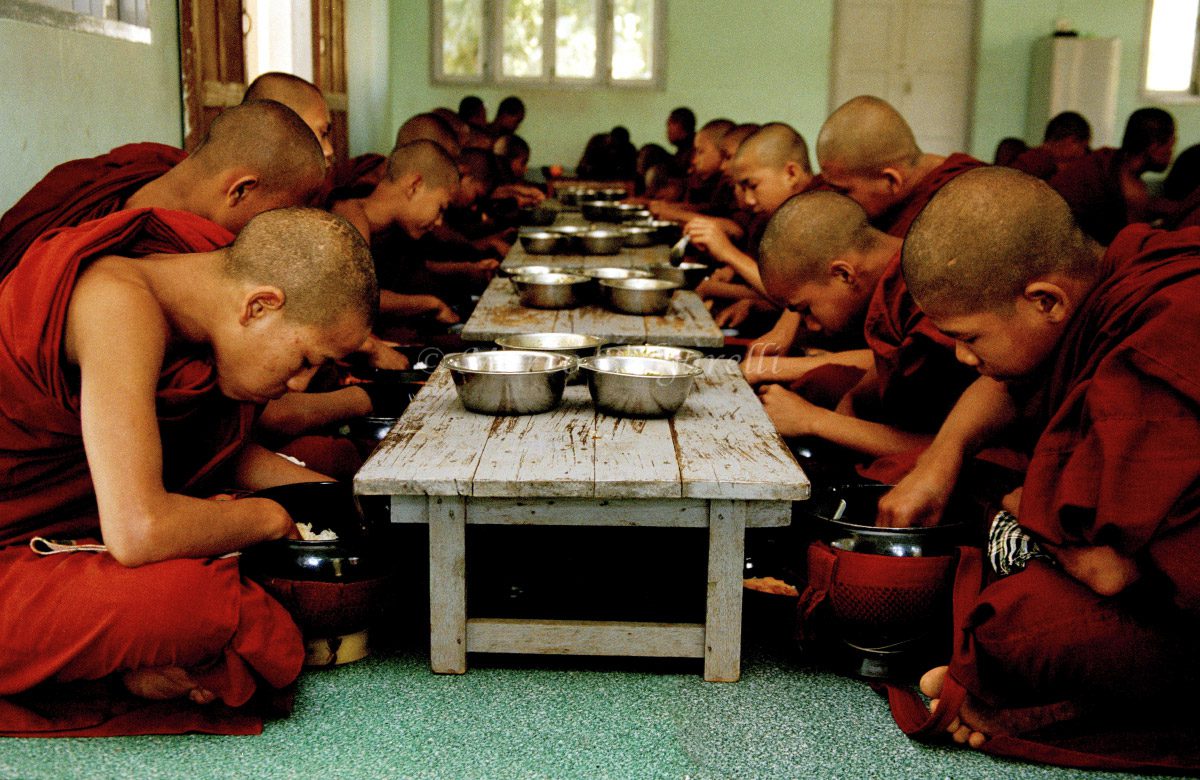
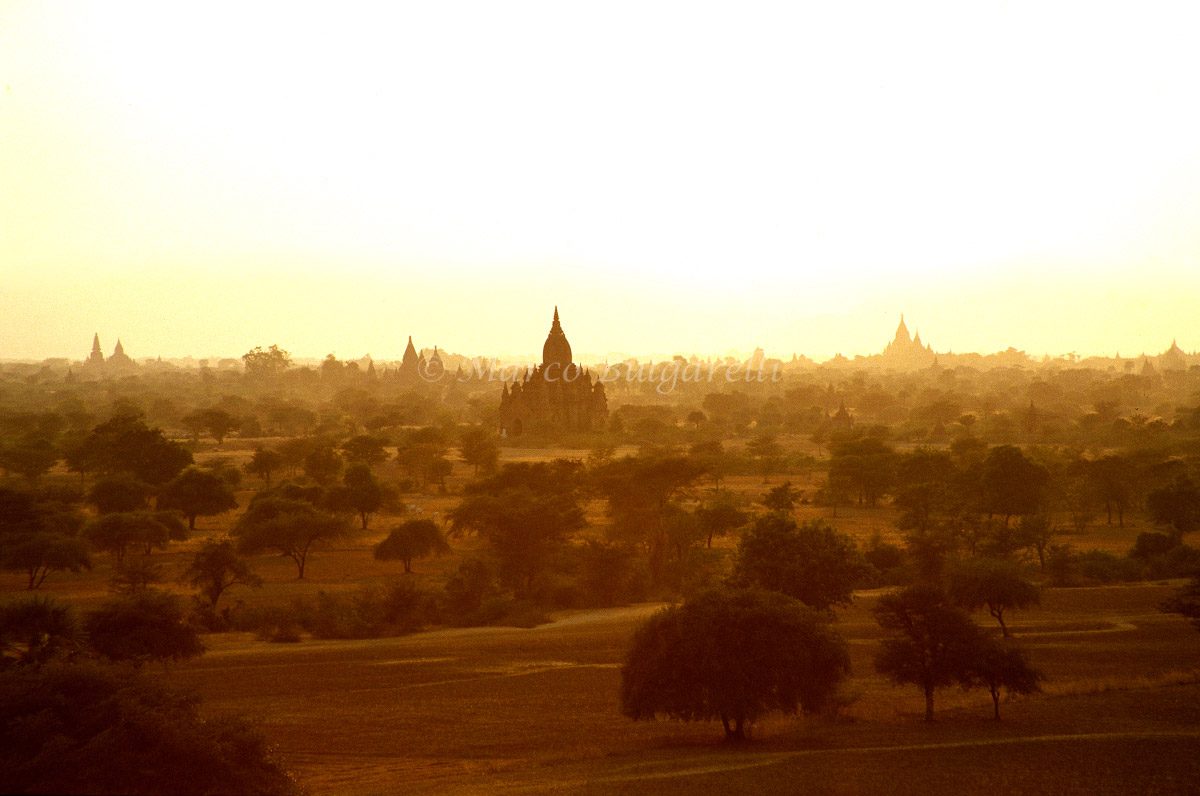
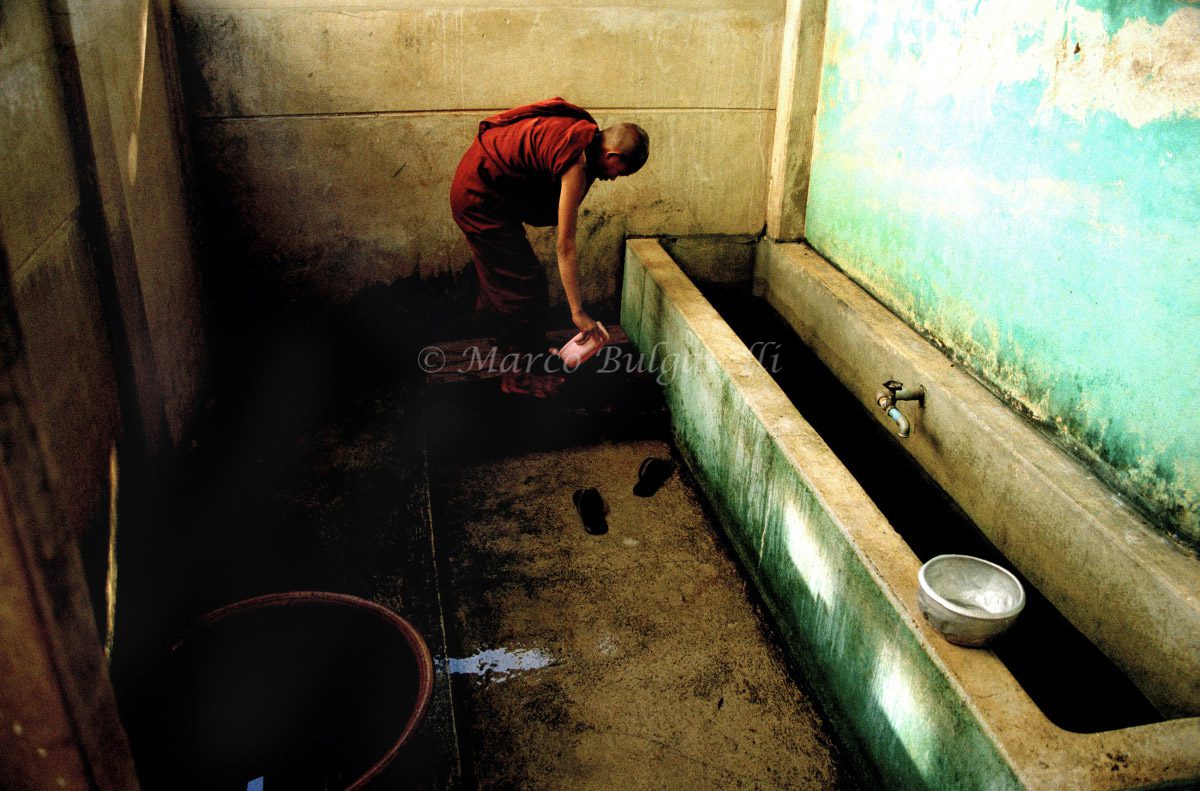
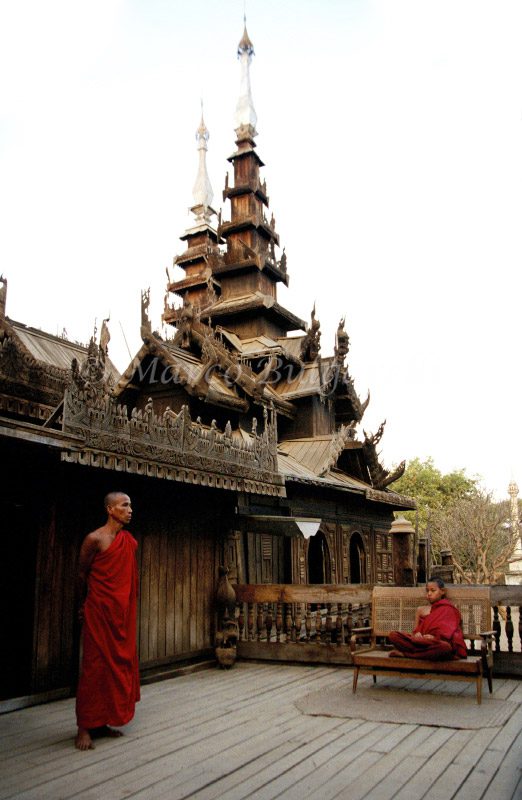
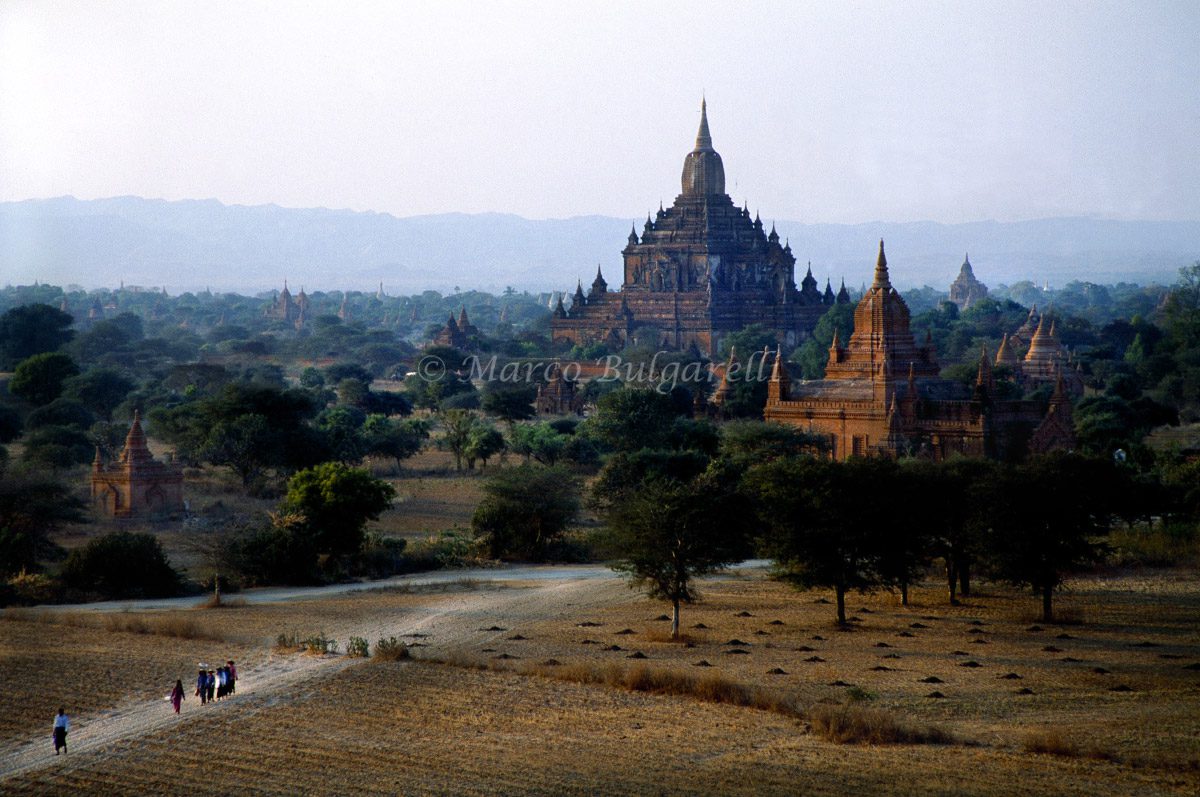
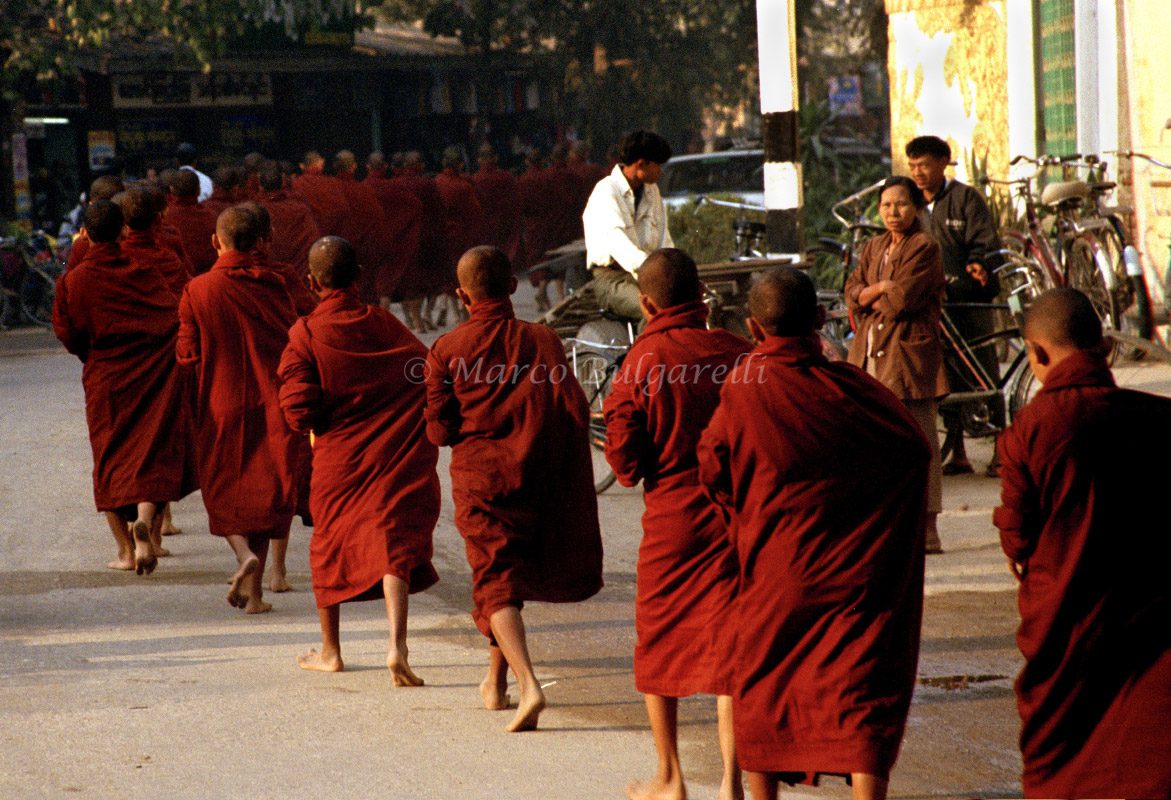
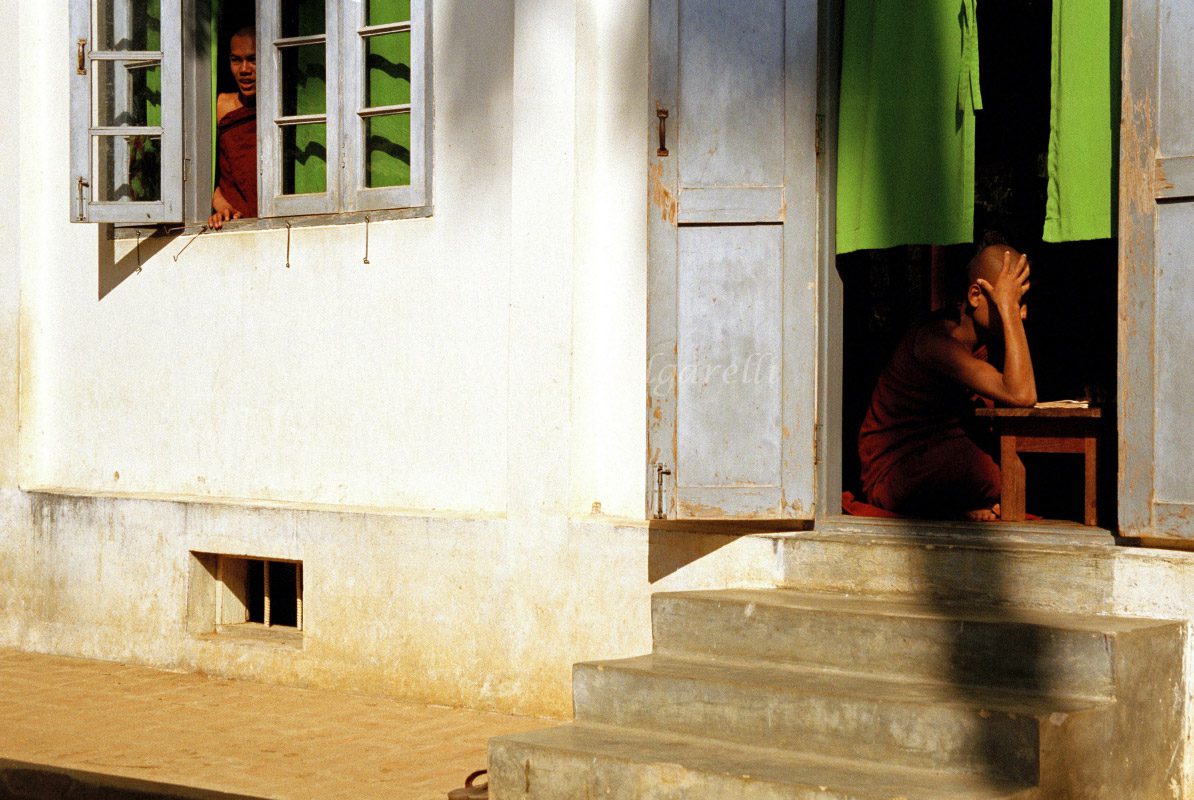
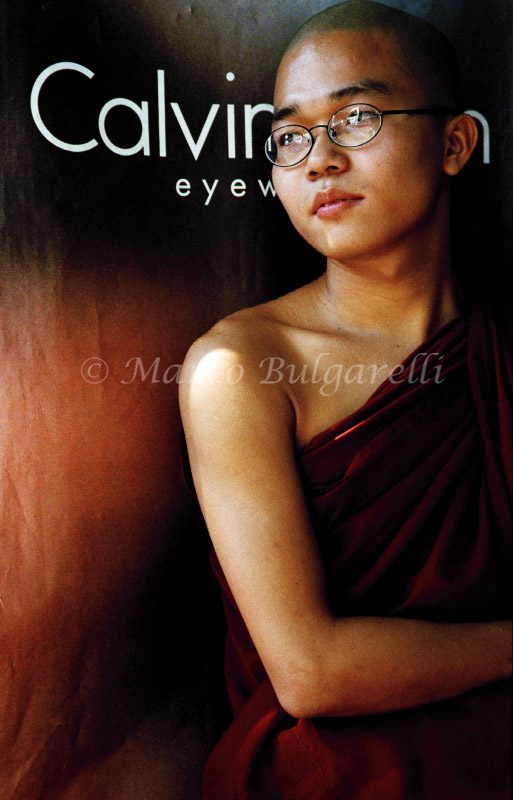
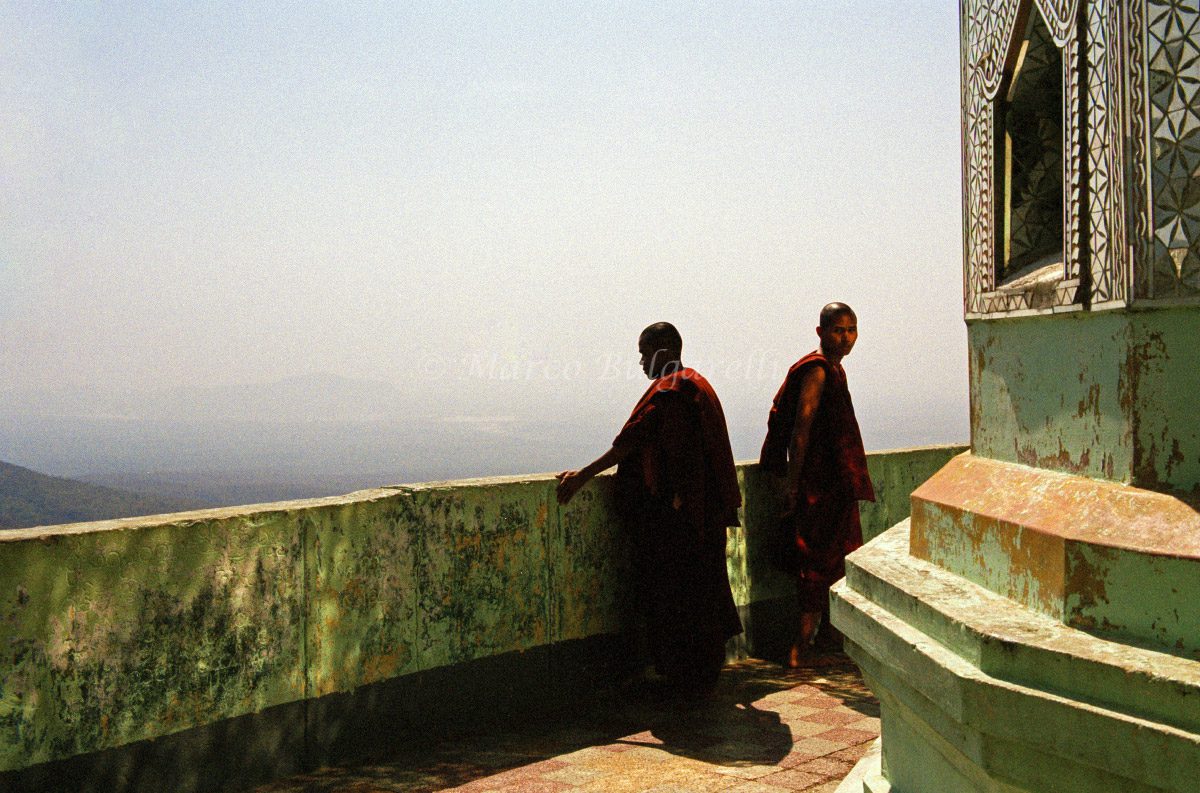
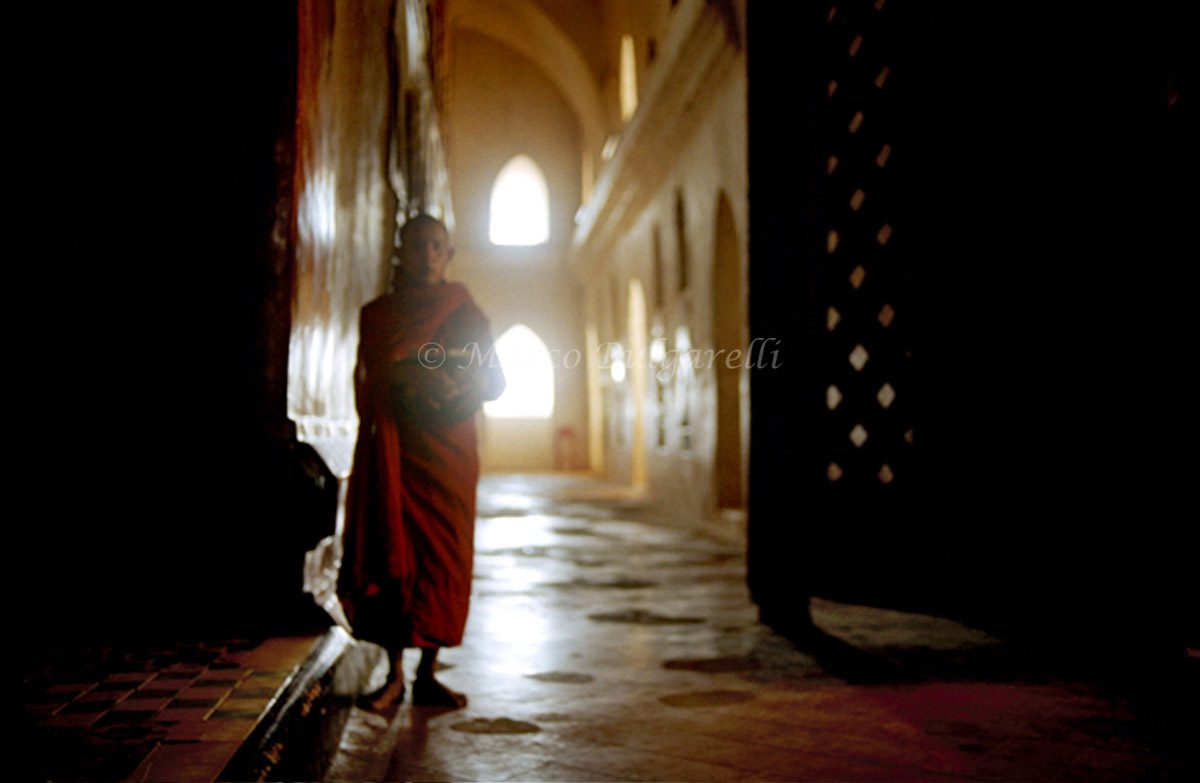
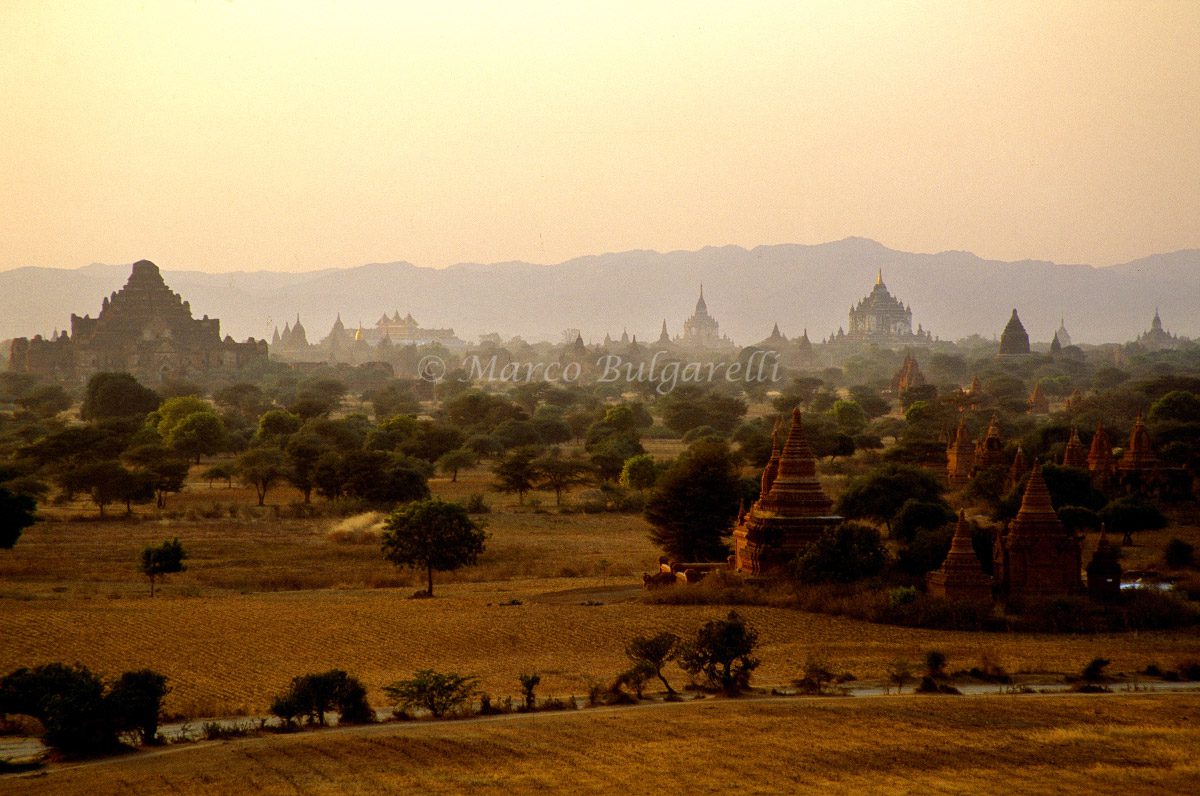
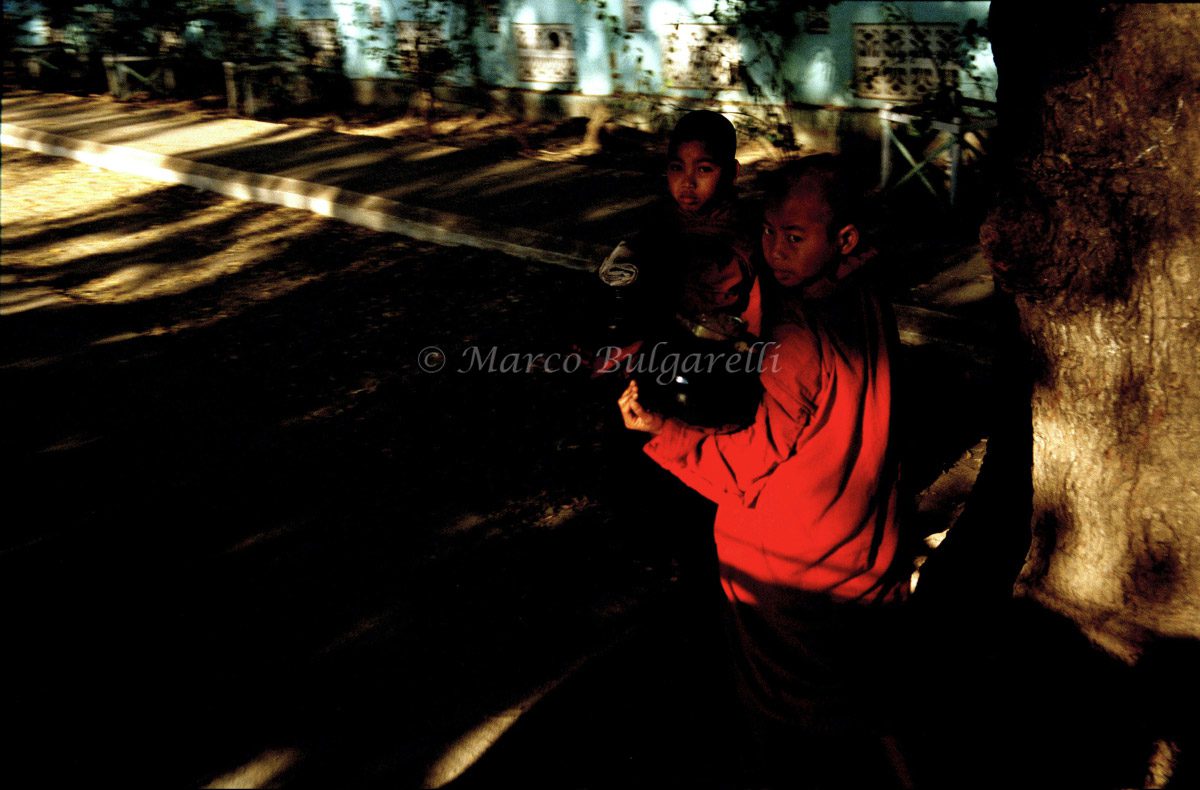
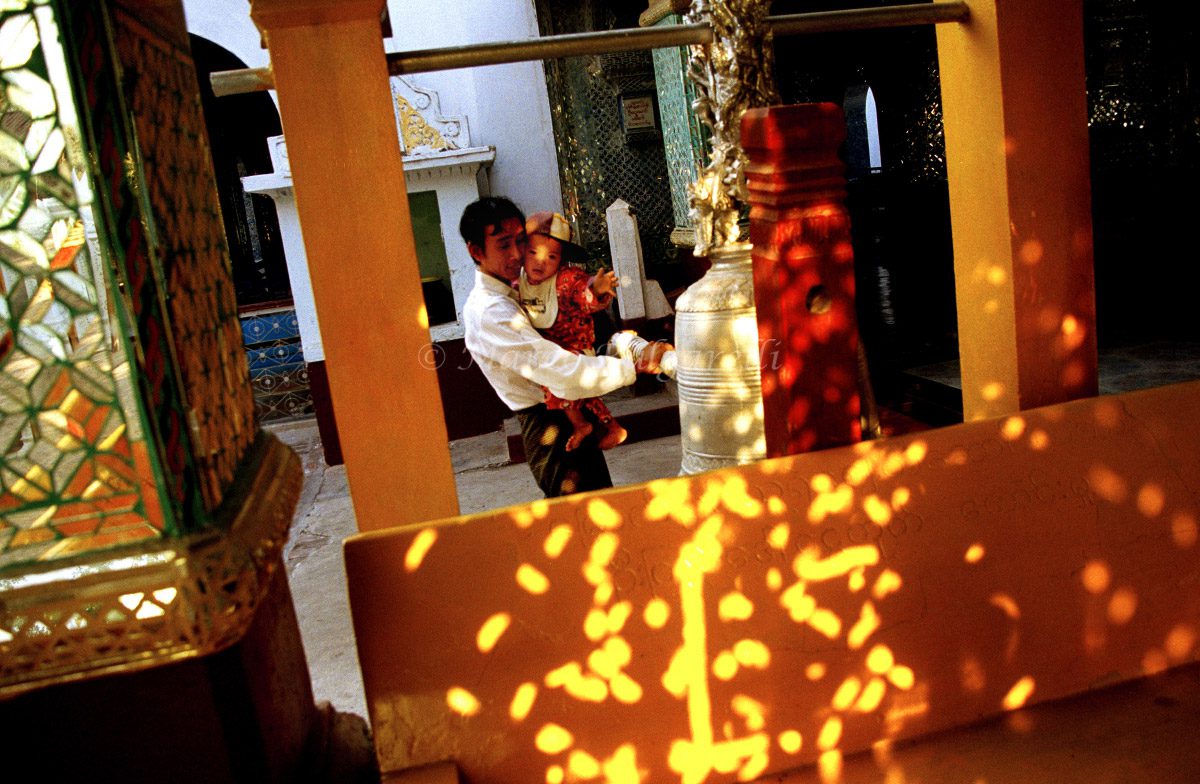
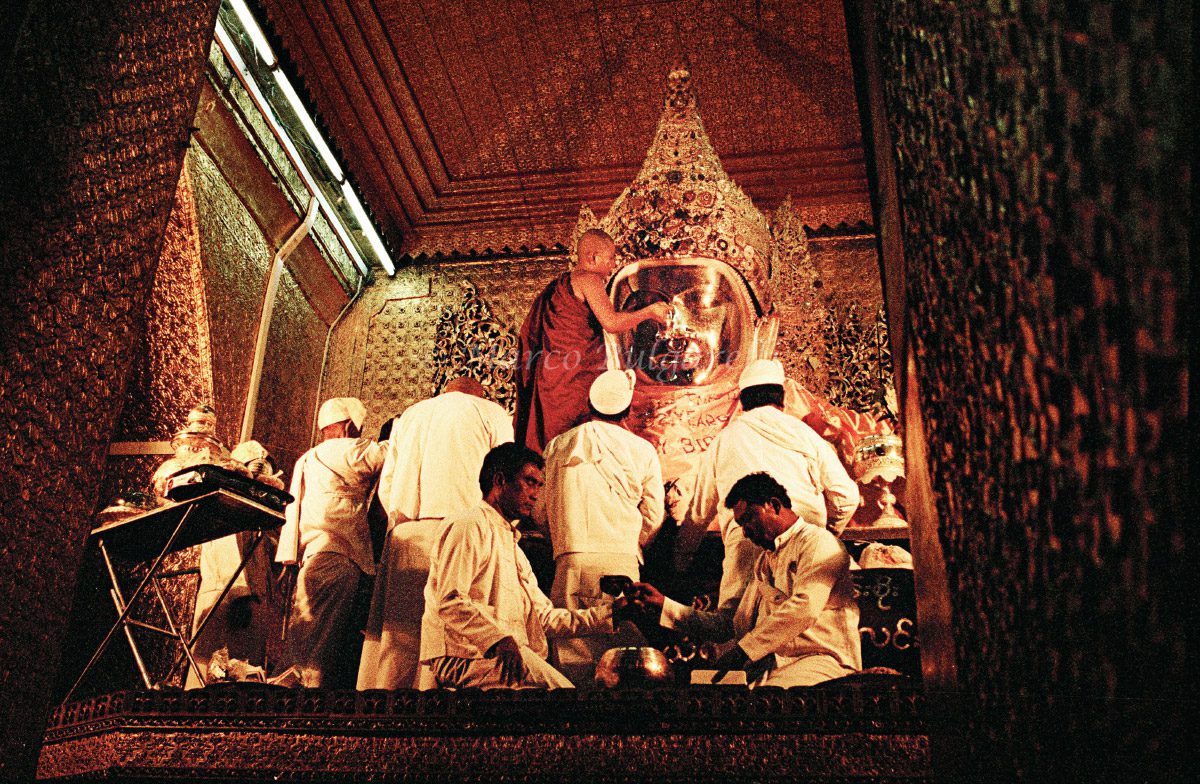
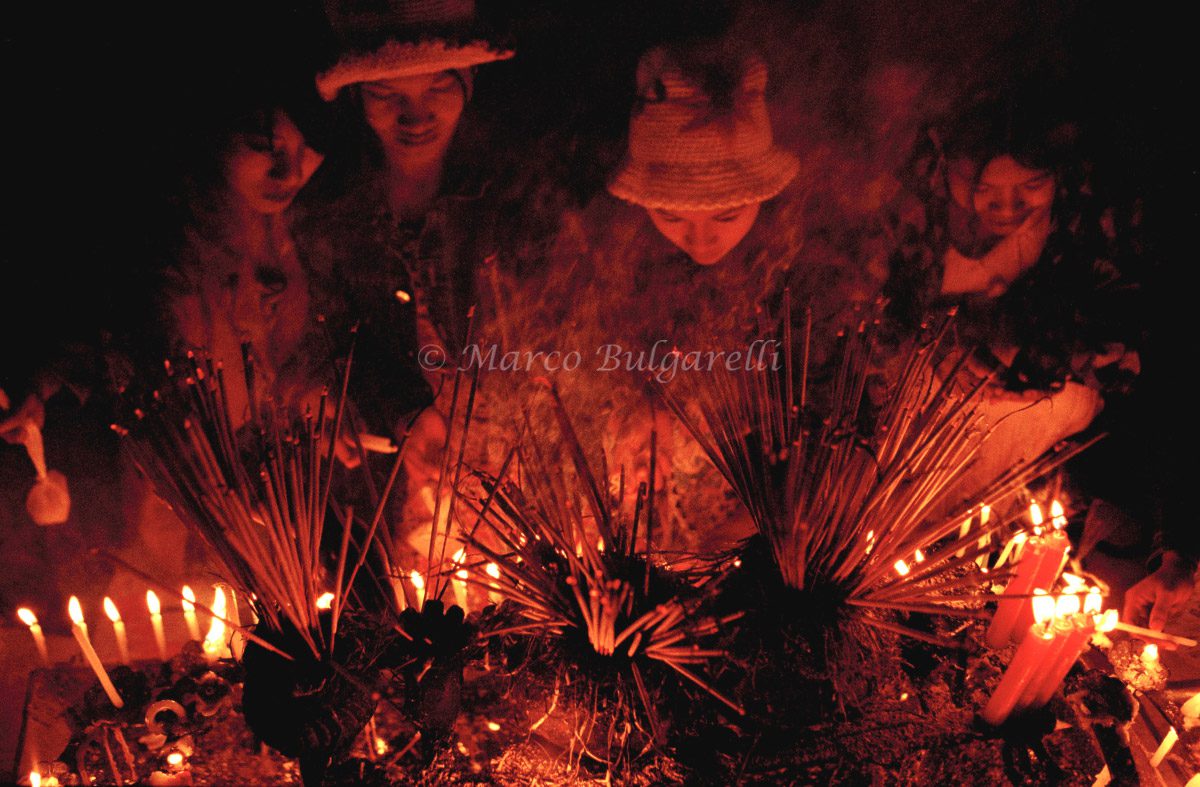
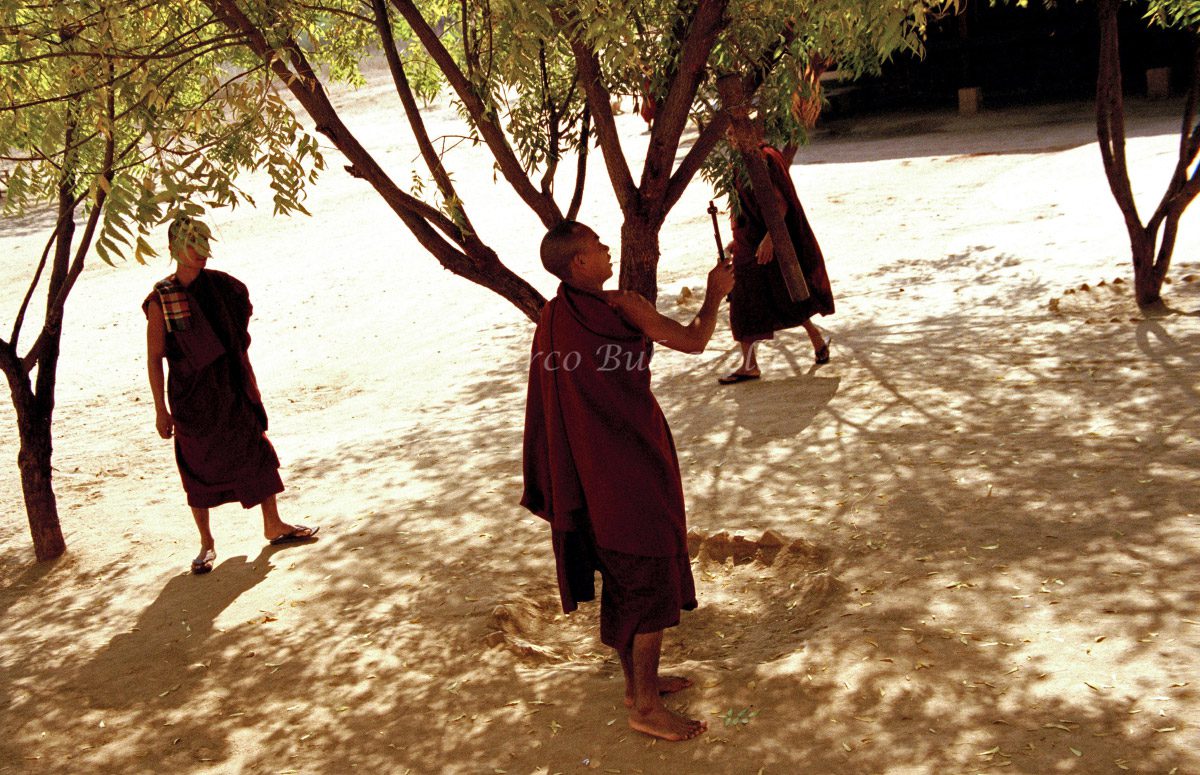
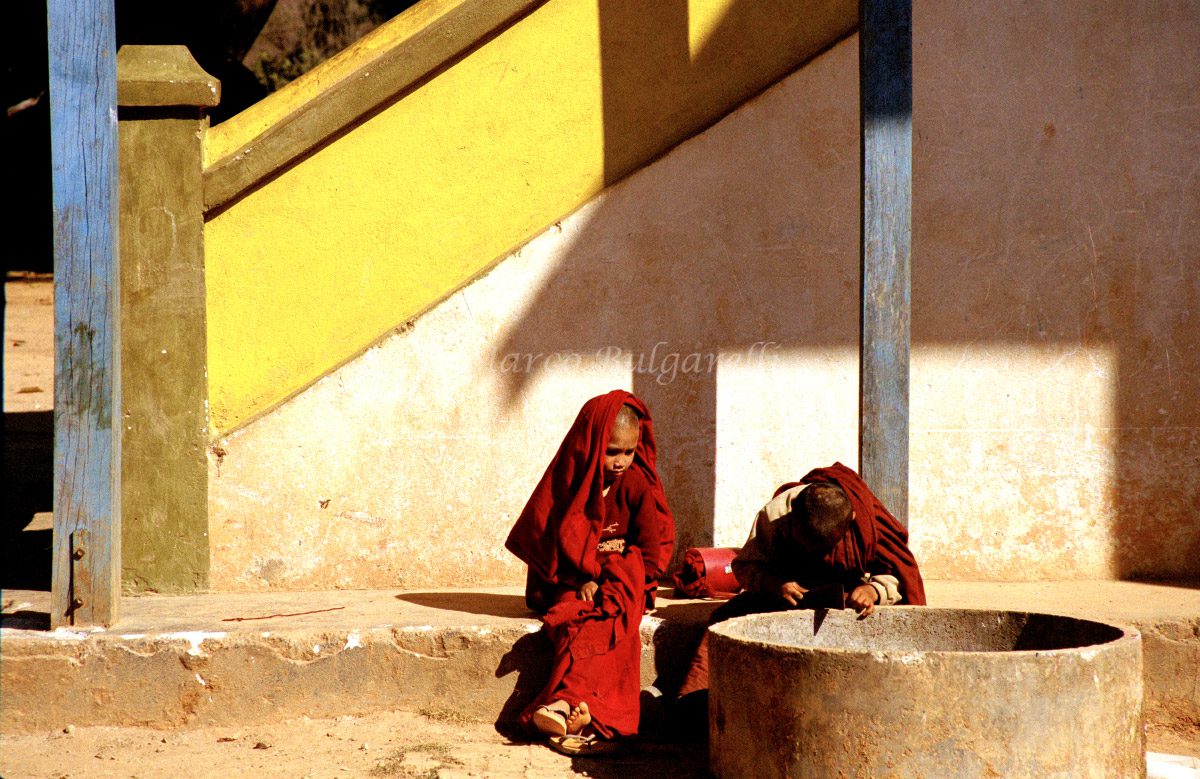
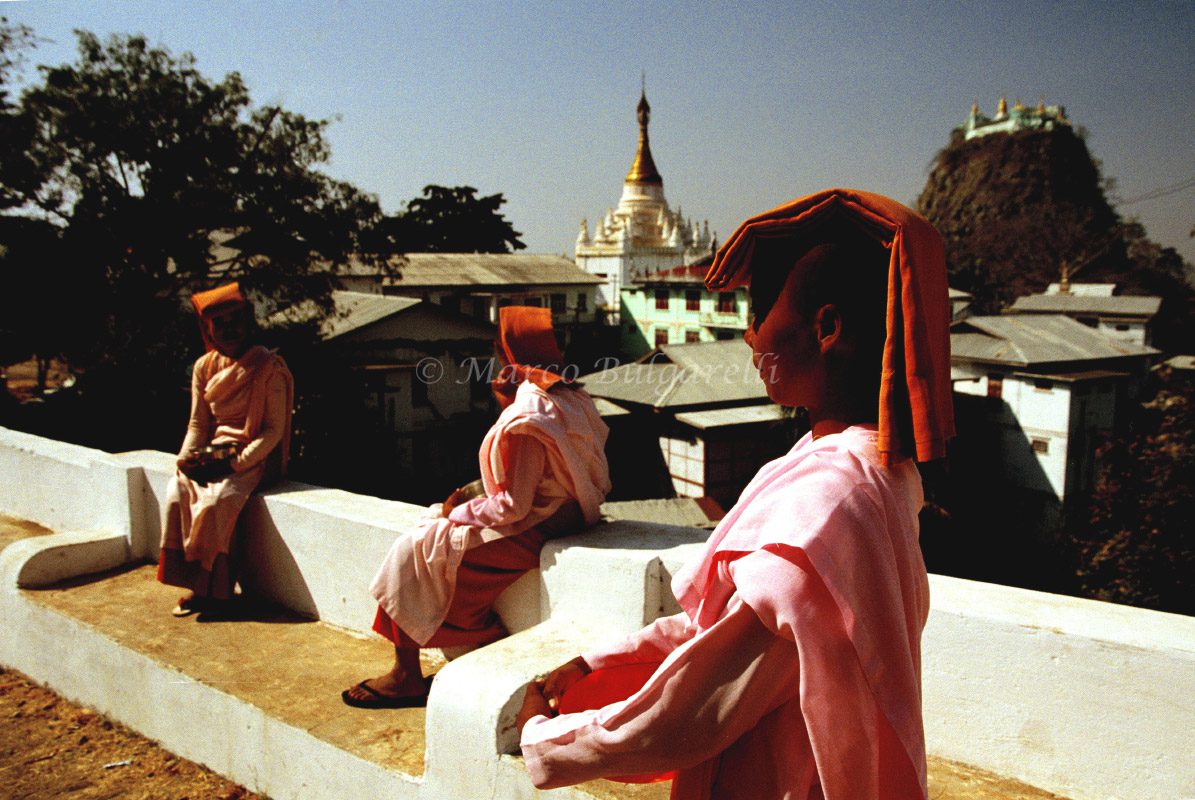
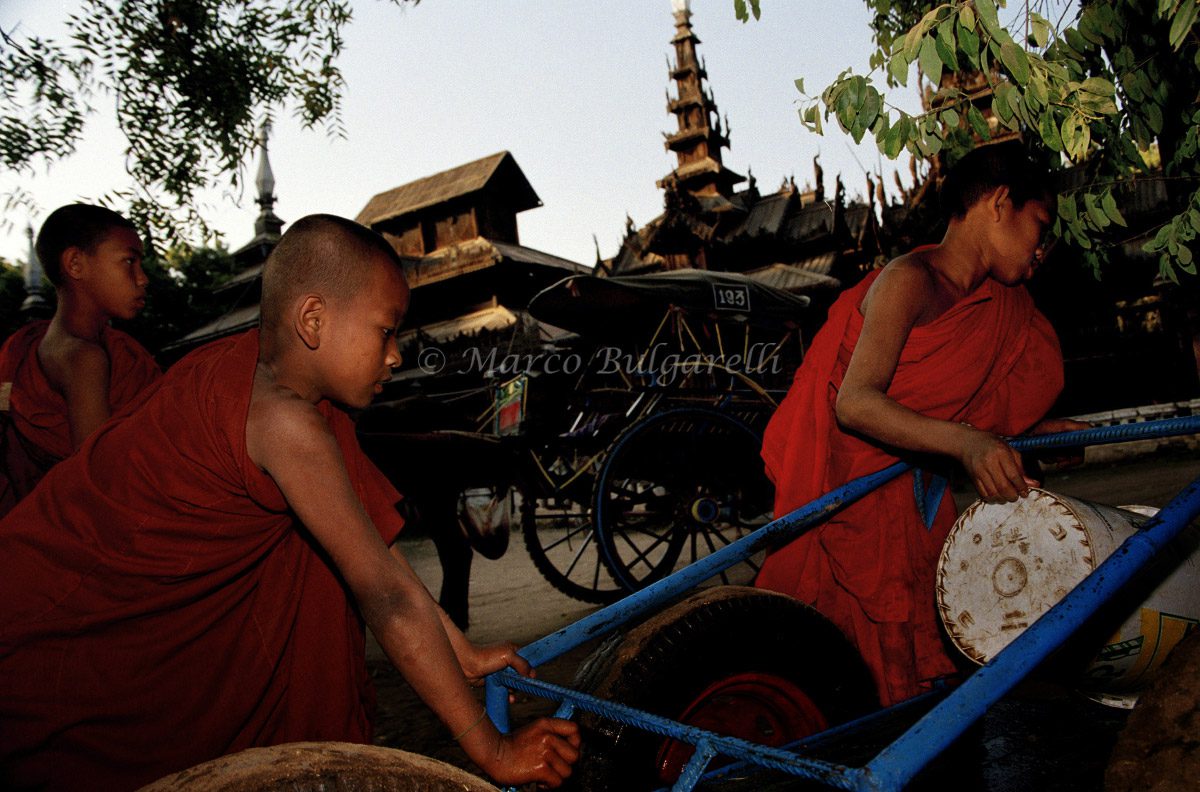
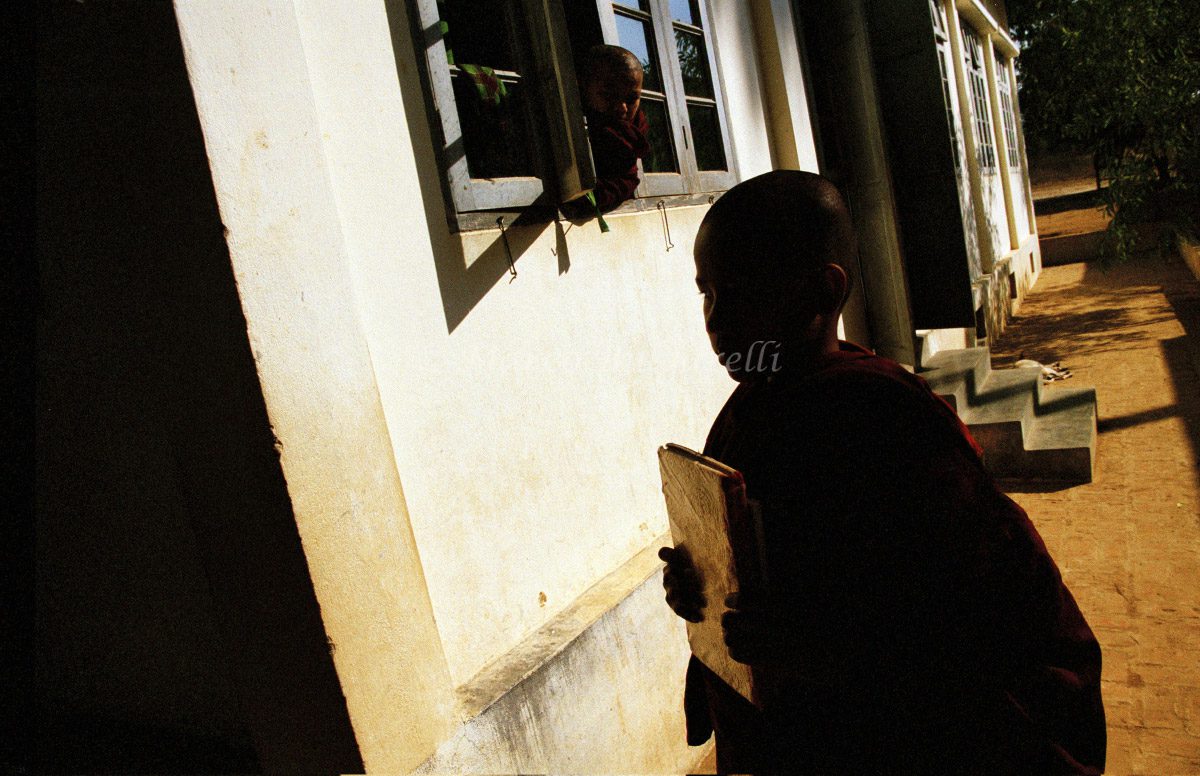
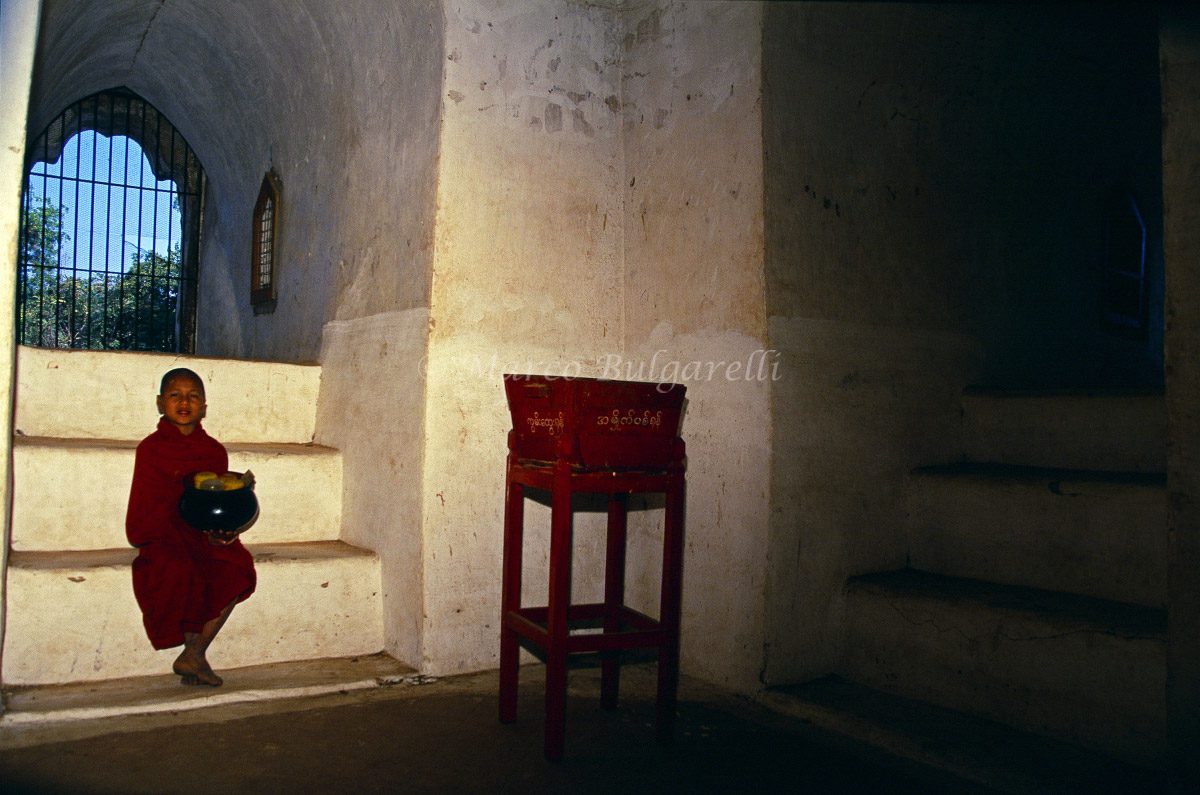
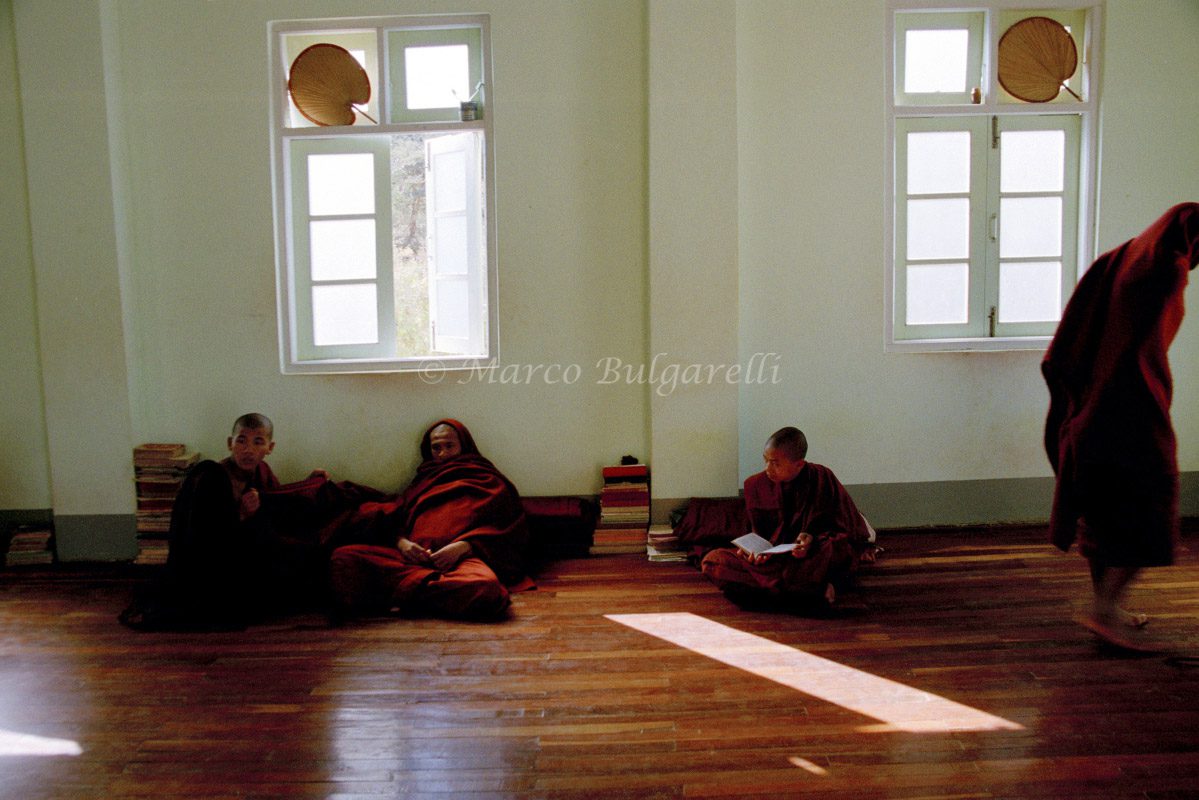
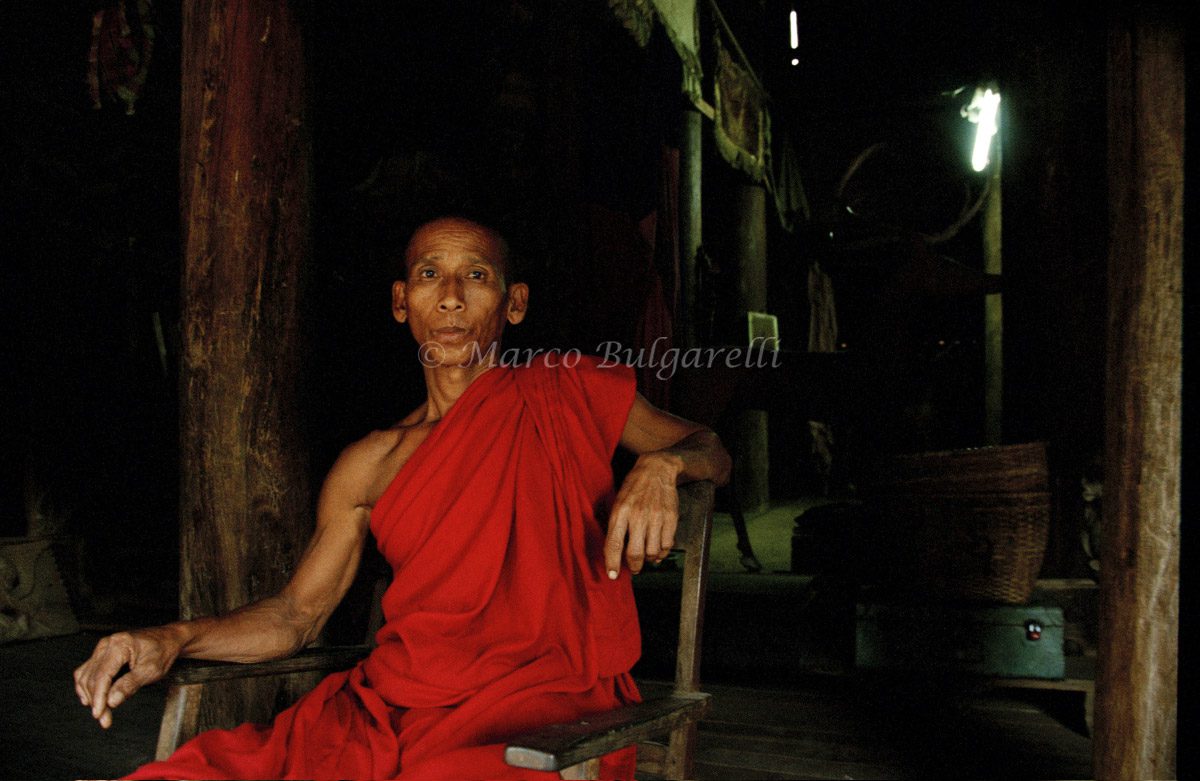
The regions of Bagan and Mandalay represent the heart of the Myanmar, which are places of great religious importance: Bagan, the historical capital, known as the city of four million Pagodas, is the richest archaeological site in Asia. The enchanting city is situated on the eastern bank of the Ayeyawaddy River, about 193 km south of Mandalay, the last Capital of the Myanmar monarchy. The ruins of the city of Bagan, cover an area of 42 sq-km, containing over 2000 Pagodas and religious edifices. The majority of well preserved temples and pagodas offer a rich architectural heritage from the 11th to the 13th Century. Bagan is important for its cult called Nats ( spirits), which is found on Mt. Popa, defined as Mount Olympus of the Myanmar. It is considered as being the most powerful dwelling place of the Nat cult. Mt. Popa is a unique oasis found in the semi - desert region. There is a pavilion at the foot of a rock formation which contains 37 life-sized statues representing the 37 existing Nat cults. The big yearly feast of the Nats takes place in Burmese, in the month of Nadaw. Superstition often influences the faith and the lives of the Myanmar people. Mandalay was the last capital of Myanmar before the British took over, and for this reason, it is still considered as being a very important cultural center. This enchanting city is full of regal identity, famous pagodas, religious edifices. Its Buddhist monasteries are amongst the most important in the country. About 60% of all the monks in Myanmar reside in the Mandalay area. From Mandalay Hill (elevation 230mt), one has a magnificent view of the city and of the numerous pagodas. The Maha-muni Pagoda, which was brought from Rakhing State, is famous for its “Maha-muni Buddha Image”. The early morning ritual ceremony of “washing the face of the Buddha Image” draws a large crowd of devotees everyday. Mingun, which is located about 11km upriver from Mandalay, is noted for its huge unfinished pagoda and its 90-ton bell, which is considered as being the largest ringing bell in the world. The influence that the monks have on the lives of the Myanmar people is indeed considerable. It is obligatory for a Buddhist boy to become a novice once in his life time for at least several months. Therefore, present day parents have to be willing to send their boys to a monastery for a few days during holidays. A Buddhist, who has not been a novice or donned the yellow robe, is looked upon as one who has missed the most essential privilege of his existence on earth.. Some novices, after acquiring what is considered to be a sufficient education for the secular world, leave the monasteries, while others become attached to the simple religious life, and continue with the yellow robe to become ordained priests at the age of 19. The ordination ceremony has to be performed in a specially consecrated building known as a "Thein" and lasts for four to five hours. A monk, however, can "go back" into the lay world at any time he chooses. There is no vow that obligates a priest to remain in the priesthood for a life time.
|